The Sign of IV

Beyoncé just released an excellent new record. It’s her fourth, and it’s called 4. In August, Lil Wayne is scheduled to drop the fourth installment of his Carter series. It’s called Tha Carter IV. And my script for the next Look Who’s Talking movie is called Look Who’s Talking IV. It’s about four babies sent to Earth by God to battle the Four Horsemen of the Apocalypse. Instead of “rapture,” they way “wapture!” Anyways, in the midst of all this four play (sorry), I thought it’d be fun to look back at some other notable fourth albums from artists who were too lazy to come up with a decent title:

Led Zeppelin – Led Zeppelin IV (or Zoso, or whatever)

The IV to rule all IVs. On top of mastering the fusion of metal and blues in ways both guttural and poetic, IV was also the ultimate Trojan horse for nerds – after the crazy sexy swagger of the opening cuts “Black Dog” and “Rock and Roll,” you get a mandolin-fueled ode to Tolkien’s Battle of the Pelennor Fields, the songbird and hedgerow reverie of “Stairway to Heaven,” and a track with “Misty Mountain” in the title.

Scott Walker – Scott 4

Another masterful fourth record, this one from a tortured U.S. expat whose stint as a teen idol and popular crooner in Great Britain left him feeling uncomfortable, and determined to bust out of his MOR shell. It was by far his worst selling album when it was released in 1969, but Scott 4‘s vivid imagery and gorgeous arrangements cast an enchanting gloom, one that profoundly influenced rock iconoclasts to come (Bowie, Pop, Cave, etc.). And if this one isn’t quite dour enough for you, Walker’s 2006 horror-opera masterpiece The Drift (#41 in my Top 100 Albums of the 2000s) makes Scott 4 sound like the Aladdin soundtrack.

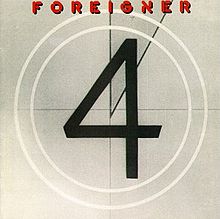
Foreigner – 4

Well, so much for good fourth albums. But as far as Foreigner goes, their 1981 smash possessed some of their more tolerable singles, especially “Urgent,” a decent bit of faux R&B that features one of the better rock and roll sax solos of a decade that was lousy with ’em. But you know what? Fuck Foreigner, because whilst doing research for this piece, I learned that they rejected the original Hipgnosis artwork for this album because it was “too homosexual.” The offending shot? A sleeping man with binoculars hovering over his head. Apparently, if it was up to Foreigner, they would be called “straightnoculars.” So, yeah, another reason why Foreigner sucks.

Blues Traveler – Four

As a 16-year-old in 1994, it was in my contract to buy this album. And it wasn’t a bad move, especially when you consider that I purchased Jagged Little Pill a year hence. Blues Traveler were always better experienced live, where their knack for segues resulted in a show that kept the jam-band crowd happy while still pleasing those with actual musical taste. “Run-Around” remains a pleasant enough pop tune, but its follow-up single “Hook” was a more rewarding assemblage of fluttering harmonica over a cheerful Afro-pop guitar riff. Not revolutionary listening, but after many hours spent with Tesla in my Walkman, Four taught me that light and fun can sometimes trump heavy and dumb.

Winger – IV

When asked why he decided to get his band back together in 2006 to make this album, Kip Winger explained, “One day I just woke up and heard the new Winger record in my head.” A fate I wouldn’t wish on anyone.


Godsmack – IV

Godsmack might be even bigger dicks than Foreigner. Here’s drummer Shannon Larkin, talking about why they named their fourth album IV: “We have this security guy, a big, tough guy named J.C. He’s another Boston guy. And in Boston it’s ‘fou.’ … He’d be hanging around backstage and chicks would walk by and he would rate them from one to 10. But if it wasn’t a 10, there was no one, two, three, five, six.  It was always you were a 10 or a fou. He just pulled the funniest things. Sometimes, he’d just hold up four fingers and wouldn’t have to say it anymore and we’d all just bust out laughing. And then the funniest one, this guy walked by with a chick on each arm and he goes, ‘Hey, bub, two fous don’t make an eight!'” Ah, J.C. Always pulling the funniest things, like telling women that they’re ugly.

What’s in my Discman, June 2011

Bill Callahan – Apocalypse (2011)

I’m a sucker for a singer with a deep voice. And with his third solo effort, Apocalypse, former Smog leader Bill Callahan’s pipes are so entrancing, he’s got a better chance of laying me down by the fire than Barry White ever did. This seven-song arc of sparse, haunted folk connects the dots between the stately isolation of cattle drivers and touring musicians, compares lost loves to wildflowers, and gives guilt-ridden Americans a mantra to soothe their bruised patriotism – “Everyone’s allowed a past they don’t care to mention.”

R. Kelly  – Love Letter (2010)

I’m sure R. Kelly’s reasoning for the concept of his 10th album – a squeaky-clean collection of retro-minded love songs – wasn’t purely artistic. But although you can feel the fingerprints of his publicist all over Love Letter, from the “I’ll be loyal and true” message of every track to the Kelly-as-Ray Charles homage on the album cover, the music here is exceptional. Freed from the silly posturing and cringeworthy innuendo of his earlier work, Kelly just focuses on singing here – and his voice isn’t just supremely silky, it’s versatile, aping MJ’s pop outbursts on “Not Feelin’ the Love,” carrying the ’70s Motown balladry of “Just Can’t Get Enough,” and cutting loose at just the right moment on the staggering “When A Woman Loves.”

The Everly Brothers – The Everly Brothers Sing Great Country Hits (1963)

You could make the argument that this isn’t an essential Everly Brothers album. It was a bit of a contract fulfiller, recorded during a time when the duo couldn’t get access to material from Felice and Boudleaux Bryant, their songwriting muses who were responsible for most of their timeless hits. But separate these sessions from the history, and you get one of pop music’s all-time great interpreters of country & western, tackling a dozen gems of the genre. Phil and Don’s harmonies are as transcendent as ever over the light rockabilly of “Just One Time,” the bar band balladry of “Please Help Me I’m Falling,” and the soaring “Sweet Dreams” –  a tune they were meant to sing if there ever was one.

What’s In My Discman, April 2011

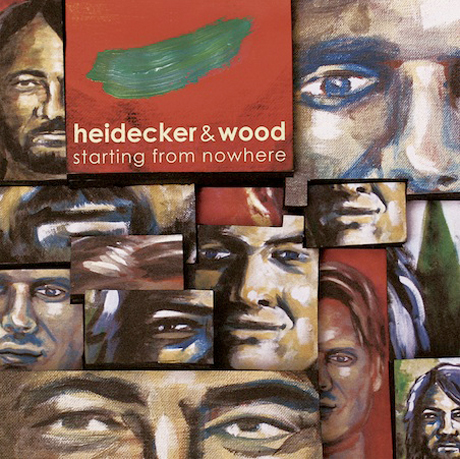
Heidecker & Wood – Starting From Nowhere (2011)

Subtlety is pretty non-existent in Tim Heidecker’s most well-known work, the wee-hour bong-hit variety show supreme, Tim and Eric Awesome Show, Great Job! So when fans take Heidecker & Wood’s debut album for a spin (the other half of the duo is Tom Goes to the Mayor and Awesome Show music director Davin Wood), its relatively serious yacht rock underpinnings will come off as shockingly soft. But once the surprise wears off, Starting From Nowhere reveals itself as both a meticulously crafted homage to ’70s sensitive guy music and a calmly ridiculous bit of comedy. Take “Cross Country Skiing,” which opens the album. There aren’t any notable one-liners on the lyric sheet, but it’s an earnest folk song about a patently unexciting white person sport, and that’s funny. H&W employ the same quality melody/silly lyric formula as Tenacious D or Flight of the Conchords, but the comedy band duo comparisons end there. Heidecker’s delivery is soft and genuine, enough off-key to tell you he’s more comedian than vocalist, but bereft of any “hey, I’m being funny” elocution. This record is stuffed with clutch examples of bad lyric writing (my favs at the moment: “What are the questions we ask when we’re asking questions?” and “A canyon and a man can live in peace”), but they’re rarely spotlit, making them easy to miss the first time around. And that’s just fine with these guys. After all, Wood’s arrangements and melodies are such accomplished homages to Chicago, Steely Dan, Air Supply and Crosby Stills & Nash, chances are you’ll be humming along before you’re laughing out loud.

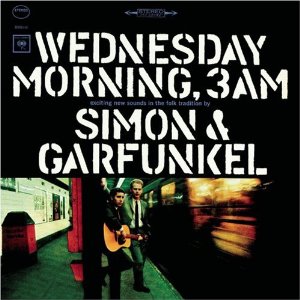
Simon & Garfunkel – Wednesday Morning, 3 a.m. (1964)

With Heidecker & Wood on the brain, I was inspired to revisit this album, undoubtedly the cheesiest, most uneven effort of Simon & Garfunkel’s rarely flawed partnership. (The inclusion of “Bleecker Street” on a season 4 episode of Mad Men also contributed to this unexpected urge.) Missing the literary folk boom by a couple years, the album tanked initially, going clang with an audience that was already following Dylan to bold new territory. And it would be understandable if anybody didn’t get past the first track, a cornball run-through of the hymn “You Can Tell the World” that’s exactly what Christopher Guest was making fun of with The New Main Street Singers. But the balance of the record holds up better than I remembered, from the endearing innocence of “Bleecker Street” to the harmonic showcases of “Benedictus” and “Peggy-O.” And, of course, the original, acoustic version of “The Sound of Silence,” whose elegance is evergreen. On the whole, Simon’s writing still needed a bit more polish, but it’s all too evident here that the duo already had wuss rock lightning in a bottle.

Eels – Electro-Shock Blues (1998)

To round out what has become the softest Discman trilogy yet, it’s the second and arguably best effort from Mark Oliver Everett (aka “E”). After losing both his mother and sister in a short period of time, the one-man phenomenon behind Eels made a record that was understandably cynical and sad. And while Electro-Shock Blues might’ve been an open vein lyrically (e.g. “My life is shit and piss”), its music provided the balance necessary to make it a valuable document of the human condition. Among the many gorgeous acoustic ballads here, there’s the lurching Tom Waits rhythms and found sounds of “Cancer for the Cure,” the dance-folk Beck breaks of “Last Stop: This Town” and the sexy Morphine rumble of “Hospital Food.” Hence, by the time E admits to finding a new appreciation for being alive on the closing “P.S. You Rock My World,” you’re not only far from depressed – you’re wishing the whole beautiful thing wouldn’t end.

What’s in my Discman, March 2011

James Blake – James Blake (2011)

The cover of James Blake’s debut album is a nice bit of synesthesia – a portrait of the artist soaked in icy blue undertones, his face blurred to the point where he’s looking at you from two different places at once. It’s the perfect visual interpretation of Blake’s voice on this record, a silky, soul-inflected alien in a purely electronic world. On “The Wilhelm Scream,” it’s rich and full, dancing lightly over atmospheric synths; on “Lindesfarne I,” it’s distorted and chilling, comparing hope to kestrels through washes of pitch correction. Blake pines for happiness throughout, over distant, subterranean electronics that belie his optimism. It’s a Sade album for a Terminator future, where a singer clearly has soul, and the machines try to strip it from him every step of the way.

ZZ Top – Eliminator (1983)

The trio of Gibbons, Hill and Beard were always thinly veiled rip-off artists, but they tended to be damn good at it, fusing John Lee Hooker’s riffs and attitudes with the kind of classic rock hooks that fit snugly on the Dazed and Confused soundtrack. On Eliminator, those mainstream tendencies completely took over, and it was a blessing. By polishing up their guitar sounds and throwing some love songs into the mix, ZZ Top found the balance they needed to make a great record. Instead of sounding like a guy who’s bullshitting his buddies, a la “I’m Bad, I’m Nationwide,” Billy Gibbons sounds sincere in his appreciation of legs, suits and TV dinners, letting his guitar do the bragging with one indelible riff after another – “Gimme All Your Lovin’,” “Got Me Under Pressure” and “Sharp Dressed Man” is one of the strongest opening sequences in ’80s rock.

Das Racist – Shut Up, Dude (2010)

The second mixtape Das Racist released last year, Sit Down, Man, was a Discman constant for me, along with the Wallpaper remix of their corporate homogenization novelty song “Combination Pizza Hut and Taco Bell.” Now that I’ve circled back and picked up their debut mix Shut Up, Dude, it’s crystallized in my brain – few things are more fun these days than listening to these guys. The lyrics might be delivered with a stoner’s irreverence, but they’re meticulously packaged blasts of verbal candy, delightfully off-kilter (“We can eat gruyere as if we care/We can eat Roquefort, or we can kick it like Rockport”) and rich in pop culture (references include Saved By the Bell, Tim Meadows, The Land Before Time, Look Who’s Talking Now and Jake Gyllenhaal). And given that it’s a mixtape, Das Racist can rap over anything, whether it’s a choice Madlib beat or a hyped-up slice of Billy Joel’s “Movin’ Out.” The result is mischievous, way smart and party ready, and a reminder of how much fun rap is when it doesn’t have to worry about intellectual property law.

What I Got For Christmas

Santa was wicked nice to me this year. But his handwriting looks a lot like my wife’s …

Cee Lo Green – The Lady Killer

Green’s first release that takes his “Soul Machine” moniker completely to heart – an inspired block of productions worthy of classic Motown, of love songs that swoon and ache with equal passion.


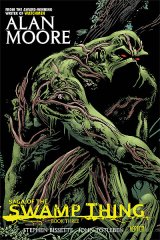
Saga of the Swamp Thing: Book Three

Yes, Watchmen is great. But I’ll take Alan Moore’s lovely, metaphysical Swamp Thing series any day. This is a horror comic that makes you ask big existential questions – once it sinks in, it swallows you whole.


Antony & The Johnsons – Swanlights

Antony Hegarty continues to ponder our dying world and its implications on our souls, over the lushest productions of his career. Somehow, you walk away from it all feeling uplifted.


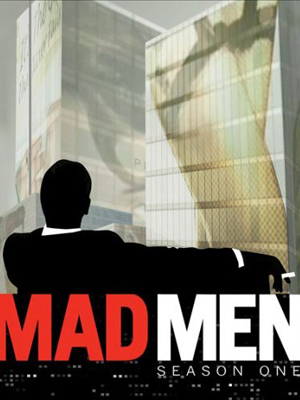
Mad Men: Season One

The poisonous nature of lies, depicted with intelligence, humor and insane precision. Go Peggy.

Top 10 Albums of 2010

I done liked these here albums. I make list to share. Then I eat sandwich.

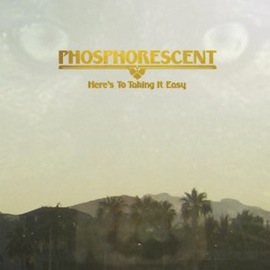
10. Phosphorescent – Here’s To Taking It Easy
Last year, Phosphorescent released To Willie, a straightforward set of Willie Nelson covers. It stands to reason that fans who’d gotten hooked on the band’s cryptic dream-folk stylings might’ve had trouble connecting the dots. Which could very well be the inspiration for Here’s To Taking It Easy, an artful distillation of the two approaches that’s equal parts sweet, lazy country and deep, introspective indie rock. Bandleader Matthew Houck gives his ambitions a rain check here, opting for words and arrangements that sum up where he’s been – touring like crazy, destroying his relationships, then touring some more. The saloon-ready pedal steel and driving horns of “It’s Hard to be Humble” shows he’s not over his Willie obsession, while the haunting mantra “Hej, Me I’m Light” could be a Pride outtake. And “Los Angeles” closes things with a clear-headed swipe at our fame-obsessed culture – “Are they covering you up with affection now?/Are they giving you a lot of attention now?”

9. LCD Soundsystem – This Is Happening
On This Is Happening, LCD Soundsystem’s third straight slab of epic, confessional dance-pop, there’s much of what you’d expect – immersive walls of synths, cold-light-of-morning musings, and a thunderous beat or two. But there’s something new lurking in the impeccably produced weeds, a sense of tension that finds James Murphy writing some of his catchiest material, while simultaneously rebelling against the concept of pop. “You wanted a hit/But maybe we don’t do hits,” Murphy posits on one especially hook-filled tune, which he stretches to a 9-minute running time, stacking ironies and keyboard sounds with equal fervor.

8. Erykah Badu – New Amerykah, Pt. Two: Return of the Ankh
On her fifth album, and second installment of the awkwardly named “New Amerykah” series, Erykah Badu gives us her most commercially viable music of the last decade or so. That’s not to say it’s the kind of glossy, over-emoted sludge that passes for R&B these days – Return of the Ankh goes down easy, but it’s because Badu and her band make these breezy soul grooves look easy. A significant shift from the challenging sprawl of New Amerykah, Pt. One: 4th World War, Ankh begs to be pulled out during the summer months. With the airy funk of “Turn Me Away (Get Munny)” and the slow-burning ode to solo travel “Window Seat” drifting from your speakers, you’ll almost be able to smell the barbecue.

7. Robert Plant – Band of Joy
After the initial shock of Raising Sand, on which Robert Plant sang with a tenderness and clarity he’d only hinted at in the past, it made complete sense that this artist would spend the twilight of his career as a sublime interpreter of classic Americana. Nobody ripped off American blues masters quite as brazenly as Led Zeppelin, and some of Plant’s best work with that band was on its occasional forays into folk and country. With Band of Joy, the legend puts an exclamation point on this revelation, as Plant assembled a Grand Ole Opry-worthy band to help him take on traditional folk tunes and modern numbers by artists like Los Lobos, Richard Thompson and Townes Van Zandt. The result is earthier than Raising Sand, with less focus on harmony and more of a live in the studio feel. Which isn’t to say it’s not beautiful – whether it’s among the echo chamber guitars of “Silver Rider” or the ominous acoustics of “Satan Your Kingdom Must Come Down,” Plant’s voice enchants.

6. Gorillaz – Plastic Beach
Ever since Damon Albarn’s band of animated hipsters released its self-titled debut in 2001, Gorillaz has felt like a lark, a fun side project that let the artist scratch his hip hop itch. But listening to the wildly eclectic sounds, indelible melodies and post-apocalyptic concepts of Plastic Beach, it’s clear that Albarn has realized that his “other” band is the one he was meant to lead. On paper, the formula is pretty much the same as the first two Gorillaz discs – get a crackerjack group of guest artists and let them run wild over chilled-out electronic grooves. But for the first time, the songs are as adventurous as the guests, full of moody Britpop atmospheres, burbling funk jams, aching bursts of R&B and full-on orchestral bombast. “White Flag” acts as a microcosm of it all, combining the hypnotic Eastern melodies of The Lebanese National Orchestra with bursts of playful electro-rap. And when Albarn follows it up with the post-punk ballad “Rhinestone Eyes,” singing about how his love’s peepers glitter “like factories far away,” it becomes clear that there’s nothing at all cartoonish about these Gorillaz anymore.
5. Vampire Weekend – Contra
Oh, it could be so easy to blow off Vampire Weekend, what with their songs about aristocrats, diplomat’s sons and girlfriends’ trust funds. But perhaps because of its unabashed approach to upper crust tropes, Contra possesses a freshness that only a hater wouldn’t acknowledge. Of course, ambitious, effervescent pop hooks make any hyper-educated rich kid lament go down easier, and Contra is stuffed to the gills with ’em, from the falsetto-laden Afro-pop of “White Sky” to the M.I.A.-sampling electro-ska of “Diplomat’s Son.” And tell me one band that’s doing anything like “California English,” where singer Ezra Koenig ponders the deeper implications of using Tom’s of Maine toothpaste in an AutoTune-corrected voice. These kids might be spoiled, but their art is built to last.

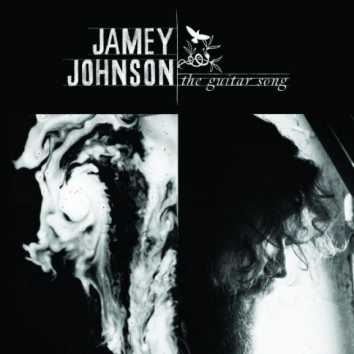
4. Jamey Johnson – The Guitar Song
A double album from the guy who co-wrote “Honky Tonk Badonkadonk”? Sounds like something whipped up by the Satan of my own personal hell. But there ain’t nothing trendy or empty-headed about The Guitar Song, a robust collection of songs with roots in traditional country and production values that gleam like an oil soap-polished bar. Don’t be fooled by the record’s “Black” and “White” subtitles, because Johnson’s interested in grey areas. Whether he’s singing about heartbreak, the plight of the modern farmer or breezy afternoons on porch swings, there’s either a resiliency behind the sadness, or the sense that real happiness is earned. Through it all, the pedal steel licks soar and mourn, the pianos dance in dark corners, and every word is soaked in Johnson’s elegant, commanding baritone.

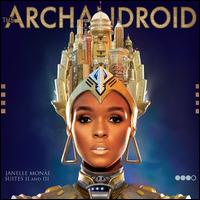
3. Janelle Monaé – The ArchAndroid
An over-the-top cinematic intro segues into an Outkast-meets-Gloria Estefan barnburner, which segues into an equally propulsive dance floor cut on which the vocalist confesses she’s “shaking like a schizo” over sped-up jazz guitar licks. These are the first three tracks of
The ArchAndroid, Janelle Monaé’s concept album about cyborg clones, time travel and futuristic psycho wards. It was the most exciting beginning to an album in 2010, setting a standard that would be tough for Aretha to match for 18 tracks. But Monaé almost does it, thanks to an unflagging creative spirit – from the Willy Wonka strings of “Neon Valley Street” to the English folk melodies of “57821” and the light-as-air romantic pop of “Oh, Maker,” The ArchAndroid is a Baskin Robbins of sonic imagination. If it wasn’t for the out-of-place Of Montreal collaboration “Make the Bus,” we’d be talking perfection here. Still, this is a dizzying accomplishment, one that puts Monaé on a short list of artists who can push the envelope and cross over in the same supercharged breath.

2. The Roots  – How I Got Over
We’ve always been able to count on The Roots to deliver top-notch, head-bobbing grooves and smart, fiery verses – they’re probably the most consistent outfit in hip-hop. But with How I Got Over, these guys haven’t just kept things fresh; they’ve upped the ante. A powerful, nuanced concept album about overcoming all that life can hurl your way, it thrills on first listen, and only becomes more rewarding the more you hit repeat. By masterfully blending their two main stylistic approaches – warm, Native Tongues beats and chilling, confrontational synth-funk – the band is able to paint a thoroughly convincing picture of self-doubt evolving into self-confidence. Black Thought rattles off a laundry list of natural disasters over the gloomy piano chords of “Walk Alone,” but by “The Day,” guest vocalist Blu is looking in the mirror and realizing, “I should start living today.” Moving stuff, in both senses of the word.

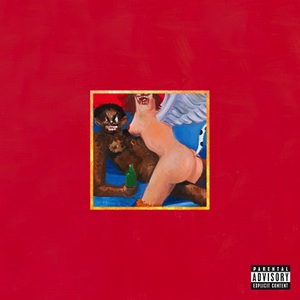
1. Kanye West – My Beautiful Dark Twisted Fantasy
The American Dream ain’t what it used to be. It’s more about power than picket fences. But I’ll stop trying to define it, because Kanye West has created the ultimate tutorial – his fifth album, My Beautiful Dark Twisted Fantasy. In lesser hands, this treatise on the glories and pitfalls of being crazy successful could sound like a Republican Party platform speech. But West’s combination of honesty, outrage, ego and phenomenal wordplay transforms the concept into an irresistible Jekyll and Hyde tale. He describes himself as a superhero and a monster, preaching that “no one man should have all that power” on his first single, while boasting “my presence is a present, kiss my ass” on his second. He’s never been this emotional on record, but he doesn’t let it stop him from writing battle-ready rhymes – for all of the wild psychoanalysis going on, one of the biggest highlights is a Family Matters reference (“Too many Urkels on your team/that’s why you’re wins low”). Musically, MBDTF is just as compellingly schizo. “Dark Fantasy’s” gospel chorus asks “can we get much higher?” Rocky soundtrack-ready synth horns propel “All of the Lights.” The slinky, Smokey Robinson-sampling “Devil in a New Dress” hearkens back to the College Dropout formula. “Monster” is an old-school rap feast, packed with top-notch guests (including a world-beating verse from Nicki Minaj). The result? The most brilliantly produced, fully realized musical vision of 2010. For hip-hop fanatics, casual pop listeners and party animals alike, it’s a garden of earthly delights – lush, intoxicating, and laced with nightmares.

Honorable Mentions: She & Him – Volume Two; Das Racist – Sit Down, Man; Sleigh Bells – Treats; M.I.A. –Maya; Drake – Thank Me Later; Elvis Costello – National Ransom; Of Montreal – False Priest

What’s in my Discman, November 2010

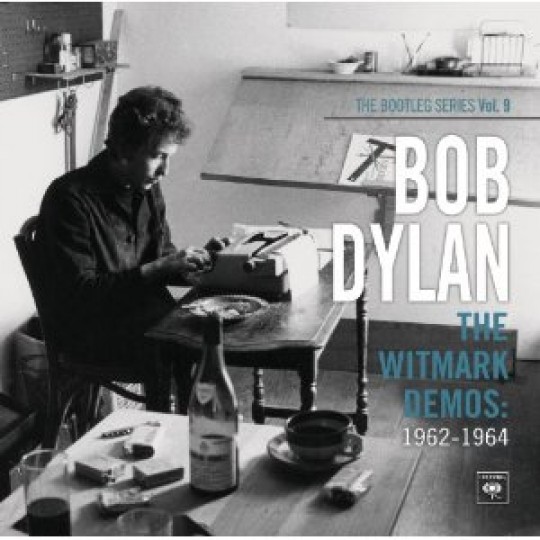
Bob Dylan – The Witmark Demos: 1962-1964 (2010)

To my generation, so much has been made of Bob Dylan “going electric.” How brave and invigorating it was, how it resulted in Dylan’s best work, how we should wish we were 20 years older, just so we could’ve been around when it was happening. I’m not disagreeing with any of that necessarily, but an unintended counter-effect of this type of praise is an underestimation of Dylan the baby-faced folksinger. It took me a long time to seriously pay attention to any material that pre-dated Bringing It All Back Home. But now, with the release of The Witmark Demos, my silly prejudice has been washed away for good. Both an interesting insight into the workings of Tin Pan Alley and a testament to the prolific genius of the young Robert Zimmerman, this collection of demos gives us an unprecedented look at the burgeoning star spilling his ideas on tape, for the purpose of impressing other artists, not the public. All the elements are here – the shameless Guthrie-aping, the snidely funny political commentary, the jaunty blues numbers, the timeless statements. And the sound quality is better than you’d think; “Don’t Think Twice, It’s All Right” rings out with such honesty and clarity, it breaks your heart all over again. This is 47 peeks into the formative years of America’s most influential singer/songwriter, complete with coughs and murmured explanations, flubbed notes and in-the-moment inspirations. Treasure it.

Jamey Johnson – The Guitar Song (2010)

A double album from the guy who co-wrote “Honky Tonk Badonkadonk”? Sounds like something whipped up by the Satan of my own personal hell. But there ain’t nothing trendy or empty-headed about The Guitar Song, a robust collection of songs with roots in traditional country and production values that gleam like an oil soap-polished bar. Don’t be fooled by the record’s “Black” and “White” subtitles, because Johnson’s interested in grey areas. Whether he’s singing about heartbreak, the plight of the modern farmer or breezy afternoons on porch swings, there’s either a resiliency behind the sadness, or the sense that real happiness is earned. Through it all, the pedal steel licks soar and mourn, the pianos dance in dark corners, and every word is soaked in Johnson’s elegant, commanding baritone.

Pink Floyd – Meddle (1971)

This is Pink Floyd’s bridge album – after the departure of the band’s original creative force, Roger Waters & company stayed in acid freakout mode for a bit. And while Meddle has its share of spacey, groove-based psychedelia, it also provides the first glimpses of the more accessible rock juggernaut to come. This transitional nature is perhaps best illustrated by Meddle’s final two cuts. First is the quirky Delta blues of “Seamus,” a two-minute song about a dog. It’s followed by the 23-minute “Echoes,” a gorgeous, undulating epic that does justice to its title, introducing melodies, riffs and freaky bird sound effects that continue to resonate across the decades. For folks who dig early Floyd as much as the mainstream stuff, this is the best of both worlds.


What’s in my Discman, October 2010

The Roots  – How I Got Over
We’ve always been able to count on The Roots to deliver top-notch, head-bobbing grooves and smart, fiery verses – they’re probably the most consistent outfit in hip-hop. But with How I Got Over, these guys haven’t just kept things fresh; they’ve upped the ante. A powerful, nuanced concept album about overcoming all that life can hurl your way, it thrills on first listen, and only becomes more rewarding the more you hit repeat. By masterfully blending their two main stylistic approaches – warm, Native Tongues beats and chilling, confrontational synth-funk – the band is able to paint a thoroughly convincing picture of self-doubt evolving into self-confidence. Black Thought rattles off a laundry list of natural disasters over the gloomy piano chords of “Walk Alone,” but by “The Day,” guest vocalist Blu is looking in the mirror and realizing, “I should start living today.” Moving stuff, in both senses of the word.

Helmet – Meantime
For teens in the early ’90s looking to project their deeply falsified angst on something harder and snarlier than Nirvana, Helmet fit the bill quite nicely. Mixing the mammoth riffage and clipped shouts of guitarist/singer Page Hamilton with drummer John Stanier’s deep-in-the-pocket breaks, Meantime was loud, nasty, groove-based hardcore, a sound that hurts just as good almost 20 years later. Sure, there’s plenty of pain-obsessed Trapper Keeper poetry – Hamilton’s jealous cheerleader screams of “You’re better … die!” being the lowest point. But the guitars are so punishing, and the rhythms so gut-punching, they would smother any attempt at refined lyricism like the runt of a litter.

Of Montreal – False Priest
Of Montreal’s evolution from romantic freak-folkies to dance-pop aphrodisiac junkies has been one of the most remarkable musical transformations of the last decade. But its last record, 2008’s Skeletal Lamping, started to show the downside of such a carefree approach to musicmaking – overlong and relentlessly in-your-face, it was proof that there can indeed be too much of a good thing. Thankfully, the band’s 10th album, False Priest, has the distinct aura of a steadying hand – uber-producer Jon Brion. Bandleader Kevin Barnes continues to explore rubbery synth funk soundscapes and hyper-sexualized lyrics, but this time around, a heavy R&B influence keeps everything in check. The opening “I Feel Ya Strutter” is as much Motown as Studio 54, setting some wonderful piano chord changes against Barnes’ wild vocal jaunts. “Like A Tourist” is a delirious bit of 21st century disco, an addictive, clipped guitar pattern anchoring it to solid ground. And the guitars of “Coquet Coquette” attack with brute force, a dash of White Stripes simplicity that spices things up more effectively than any chaotic ProTools pastiche.

What’s in my Discman, August 2010

Stevie Wonder – Music of My Mind
A bridge between Stevie’s hit-making wunderkind days and the epochal envelope-pushing of his mid-’70s masterpieces, Music of My Mind languished on my CD rack for a decade, always passed over for the darker, more ambitious Innervisions, the conceptual grandeur of Songs in the Key of Life (my knee-jerk pick for The Greatest Album of All Time) or a killer single like “Signed, Sealed & Delivered I’m Yours” (tied with “God Only Knows” for my knee-jerk pick for The Greatest Song of All Time). But for whatever reason, it’s found its way into heavy rotation for the first time, and thank god for it. In a way, it’s the ultimate Wonder album, an organic fusion of the carefree bliss of the early years and the heady funk and spiritual R&B of albums to come. The seven-minute-and-change sunshine funk masterpiece “Love Having You Around” opens things, setting the tone for a record dominated by themes of the joy and tenderness that true love brings. The songwriting and production is jarringly advanced from the poppier stylings of Signed, Sealed & Delivered, released just a year previous. And when the mournful notes of the closing track “Evil” fade from your speakers, leaving you to contemplate what shadowy force empowers the enemies of love, it becomes obvious that on Music of My Mind, Stevie Wonder was “Little” no more.

Metallica – Master of Puppets
Master of Puppets was my favorite album when I was 14. A few years later, I fancied myself a music connoisseur, a period during which I sold back a pile of dangerously awesome metal albums, including my entire Metallica collection. Having recently re-purchased this timeless piece of relentless, blistering thrash, I’ve gotta give my 14-year-old self some props. The title track is gloriously self-indulgent, shifting tempos, rhythms and time signatures with hairpin accuracy, with James Hetfield’s anti-war sentiments bludgeoning listeners with as much force as Kirk Hammett’s legendary riff. Damn, there isn’t a weak cut here. “Battery” and “Damage Inc.” are bloody-fingered, double bass drum-punishing assaults that put headbangers on cloud 9; “Welcome Home (Sanitarium)” is a high-drama metal opus that makes insane asylums seem almost cool; the prog-rock instrumental “Orion” needs no growling or screaming to glue metal fans to their seats. When I first fell in love with Master of Puppets, its fusion of wild sonic hellfire and advanced rock craftsmanship had a mainline to my soul. But I also loved Jackyl in those days, which means my soul was also kind of stupid.

Randy Newman – Live
This album was my first exposure to the man who would become my favorite singer/songwriter (sorry for all the hyperbole in this post, it’s just turning out that way. Plus, I’m wicked drunk on Zima right now). And while one of Randy Newman’s inimitable qualities is his imaginative orchestral arrangements, I’ve always preferred the way he sounds on this release, a selection of tracks recorded at a pair of 1970 Newman solo performances at the NYC club The Bitter End. He performs cuts off his first two albums (like the twisted sexual satire “Mama Told Me Not To Come” and the I’m-lonely-in-a-crappy-apartment ballad “Living Without You”), material off of the forthcoming wonderment Sail Away, and a pair of sweet, ingenious songs about awkwardness in the bedroom that never appeared anywhere else – “Tickle Me” and “Maybe I’m Doing it Wrong.” And as pretty as the strings are on the original recording of “I Think It’s Going to Rain Today,” it doesn’t hold a candle to Newman’s performance of it here, which embodies a sky streaked with grey with tear-welling poignancy. Capturing the sweet and sardonic sides of this artist with fly-on-the-wall starkness, Randy Newman Live is the kind of record that makes you thank god the tape was rolling.

The Album of the Year, so far

Janelle Monaé – The ArchAndroid

After seeing Janelle Monaé last summer – when she was the relatively unheard-of opening act on No Doubt’s reunion tour – and being thoroughly blown away, I scampered over to the merch tent and picked up her Metropolis: The Chase Suite EP. After writing a review in which I compared the R&B singer/songwriter/bandleader to James Brown (which is no hyperbole), my wife and I listened to the EP on the ride home, hoping for an onslaught of funky adrenaline comparable to her live set. And while it’s a very good record, Metropolis’ complicated sci-fi storyline and uneven production values couldn’t live up to the lofty expectations of that moment. Monaé’s debut LP The ArchAndroid, on the other hand, would’ve most certainly extended our post-concert high. A nearly flawless mix of stomping R&B grooves, richly produced pop ballads, twisted Latin rhythms, jazz crooning and orchestral suites, this is a dizzying accomplishment that puts Monaé on a short list of artists who can push the envelope and cross over in the same supercharged breath.

After an over-the-top cinematic intro, complete with booming brass, whispering woodwinds and ominous string passages, Monaé breaks into “Dance or Die,” an Outkast-meets-Gloria Estefan barnburner that’s a great example of what she does best – laying into a simple groove in a way that makes it more than the sum of its parts. This segues into “Faster,” an equally propulsive dance floor cut on which Monaé confesses she’s “shaking like a schizo” over sped-up jazz guitar licks.

But The ArchAndroid is an 18-track concept album about cyborg clones, time travel and futuristic psycho wards – it can’t get along solely on the funky stuff. Hence some deftly sequenced moments where Monaé slows things down and shows off her range, doing her best Lauryn Hill impression over the Willy Wonka strings of “Neon Valley Street,” dipping into some English folk melodies on the solemn “57821” and delivering a romantic pop masterpiece in “Oh, Maker.” And when certain songs fall short – which is bound to happen on such a long record – they’re still drenched in the same unflagging creative spirit as everything else. Even though the out-of-place Of Montreal collaboration “Make the Bus” temporarily derails things, you’ve got to respect its boldness.

“So much hurt/On this earth/But you loved me/And I really dared to love you too,” Monaé sings on “Oh, Maker,” over a light-as-air arrangement that sprinkles back-up vocals through the verses like so many raindrops. As the sonic equivalent of raising your eyes to the heavens and enjoying what you see, this track is the centerpiece of The ArchAndroid. Because like one of Monaé’s inspired live sets, this album’ll knock you on your ass like a bolt of lightning hurtled by the gods.