The Top 20 Albums of 2014

2014 was a year. A year in which there were records. A year in which some of those records were downright pleasant. A year in which 20 of those downright pleasant records made me particularly happy in my ears and brain:

Dead Congregation 20. Dead Congregation – Promulgation of the Fall

When I discovered metal, I was 12, and would share a Walkman with my similarly inclined Catholic school pal. We couldn’t get enough of Cannibal Corpse’s debut album Eaten Back To Life, specifically one moment when the cacophony abruptly ceased, and singer Chris Barnes intoned in his throaty roar, “Fuuuccccckkkk yooouuuuuuu!!!!!” It made us laugh, but it was also a form of nourishment, a blast of roughly hewn vulgarity to remind us that the world was a ridiculous place, and that if we were born with original sin, well then so be it. Promulgation Of The Fall brings me back to that feeling. Because this underground Greek ensemble is uncompromisingly brutal in a subsuming, freeing way. The riffs are simple and undeniable, layered and deepened to appropriately pulverizing levels. Solos are short and never showy. And singer Anastasis Valtsanis belts his demonic screeds in a steady, guttural growl, on songs that embrace chaos with open arms, jettisoning millennia of human guilt in the process. (excerpt from my review in The Quietus,6/9/14)

Kylie_Minogue_-_Kiss_Me_Once_(Official_Album_Cover)

19. Kylie Minogue – Kiss Me Once

Kiss Me Once, Kylie Minogue’s 12th album, continues an impressive streak of ruthlessly addictive dance music that dates at least as far back as 2001’s aptly titled career rejuvenator, “Can’t Get You Out of My Head.” Smartly, Minogue and her deep bench of producers and songwriters stick with the winning formula of caffeinated synth-pop and disco, with a touch of dubstep tossed in for the kids. When it works best, it results in the kinds of choruses that make platitudes sound like rallying cries. The killer, clavinet-laden groove of “Sexy Love” does something to the human brain that makes us forget we’re listening to a song called “Sexy Love,” with a chorus that goes “Gimme that sexy love.” Kind of like how John Lennon’s harmonica tricked us into thinking “Love me do” was a sentence. (excerpt from my review in Slant Magazine, 3/16/14)

Coldplay_-_Ghost_Stories

18. Coldplay – Ghost Stories

There are times when a truly great movie is precisely what you do not want to see. You want to watch Reversal of Fortune instead, because it’s Sunday and you’re hung over and there’s something gently entrancing about Ron Silver’s hyperactive yin meshing with Jeremy Irons’ laconic sleazeball yang. Coldplay’s sixth LP was this year’s Reversal of Fortune of rock albums, a well-crafted, well-executed drama that wields clichés like hot water bottles – after a long day grappling with intense, ambitious works of art, Chris Martin is here to soothe those aching joints by singing “I love you so / So much that it hurts.” Ghost Stories is possibly the calmest, unfussiest breakup album ever; it’s far more concerned with sounding beautiful than sounding hurt. By weaving elements of James Blake’s bedroom dubstep into the band’s usual earnest-verse/bear-hug-chorus formula, these nine songs possess a touch of winter that does wonders to Martin’s lyric sheet, which would seem pretty hoary on its own. He sounds like a man who is capable of poetry, but has been made indifferent to it by loss. So he makes simple observations about birds and stars and the ocean, leaving the deeper metaphors to those who feel strong enough to plunder them.

Archibald-Slim-Hes-Drunk17. Archibald Slim – He’s Drunk!

On his debut mixtape, Archibald Slim weeds America’s uneven playing fields until all that’s left are the ugly truths in the soil, proving himself as the most accomplished artist of Atlanta’s ever-expanding Awful Records crew. Producer KeithCharles Spacebar gives the tracks a midnight jazz solemnity that would bend the ear of a young Nas, squashing any expectations that the title of this tape is an entrée to wackiness. In this context, “he’s drunk” is a quote, attributed to anyone who responds to the marginalization and oppression of an entire people by blaming the victims. People who would scoff with a hitch in their voices when they hear “Stay Black and Die,” a song delivered by Slim with something more harrowing than mere fury in his voice: “They tell me, ‘No don’t do it, go and get a job’ / They don’t understand that a fella play the game with different odds / So I know task one is stack dough for your bail / Cause you won’t pass go / Just go straight to jail.” (excerpt from my review in Paste Magazine, 11/25/14)

cibo_matto_hotel_valentine_1391874927_crop_480x48016. Cibo Matto – Hotel Valentine

“I wonder how many people know their life is like this / Staying at the hotel, renting times, renting a body,” muses Miho Hatori on Cibo Matto’s first effort in 15 years. The sentiment works to chilling effect as the preview to the one-two punch that closes this satisfyingly strange meta-comeback album – the ominous storm of “Housekeeping” and the fragile rise to the heavens that is “Check Out.” I leap toward the close of this brief record because it’s so compellingly open-ended. Hatori and Yuka C. Honda have great fun setting the stage – the catchiest track, “Déjà vu,” combines their trademark rubbery bass lines with a triumphant stroll of a chorus. But it’s those last two songs that make this more than a ’90s nostalgia trip. We’re lured in by the lulling groove of “Housekeeping,” the playful vocalizing of guest Reggie Watts keeping the disquiet at bay for a little bit. But then that maid keeps saying she’s going to “set us free.” And then, before we know it, we’re floating. (excerpt from my review in The Quietus, 2/14/14)

Jungle

15. Jungle – Jungle

By writing simple, irresistible pentatonic melodies, singing them almost exclusively in falsetto, and pairing them with the kind of moody, heavily synthesized soul grooves that suggest an unhealthy obsession with Marvin Gaye’s Midnight Love album, this camera-shy British duo has created something unpretentious enough to energize a dance floor at 2 a.m., yet curious enough to suggest there’s something just a tad thornier under the surface. Jungle is at its best when its clear goal is to get heads bobbing, like when it argues for the cathartic benefits of endless partying on “Time” – “Don’t let it in / Just let it out / Time and time again.” Or when it leverages the swagger of hardcore capitalists on “Busy Earnin’,” explaining how we “can’t get enough” over hooks so insidious that they’d make any bleeding heart understand. It’s no coincidence that both of these songs possess lively bass lines. The duo is stingy with the low end on much of Jungle, preferring to keep its heads and equalizers in the clouds. (excerpt from my review in PopMatters, 7/15/14)

large_DC600

14. Ty Segall – Manipulator

Ty Segall must be haunted by riffs. How else can you explain the absurdly prolific number of sickening garage rock hooks he’s already churned out (five LPs’ worth since 2012)? They must come to him in dreams, demanding to be released. Last year’s autumnal folk album Sleeper was still mighty catchy, but it also sounded like the kind of palate cleanser that could precede a more significant tonal shift. It wasn’t. Manipulator is an embarrassment of classically Segall-ian riches, 15 tracks that boogie you ragged like a forgotten disc from the Nuggets box set. That his Kinks and Stooges jones hasn’t gotten old is a testament to the songwriting – “Ask your bossman for a raise / Tell your mama she better keep her change” nails that classic rock sweet spot between nonsense and bad-assery – and Segall’s evolving gifts as a singer. The hushed instrumentation of Sleeper pays dividends here, with the artist paying close attention to his vocal melodies and intonations even though they’re back in the fuzzbox fray.
Rich Gang

13. Rich Gang – Tha Tour: Part I

Even though he’s only 22, Young Thug’s major label misadventures are already legion. But if there was any doubt that he couldn’t mold his inimitable quirks into universal entertainment, Tha Tour: Part I laid them to rest. Rich Gang consists of Thug, fellow Atlanta mixtape veteran Rich Homie Quan and Dirty South Svengali/Cash Money Records founder Birdman. The latter lays down the recipe for the tape’s luxurious syrup with a spoken word intro about the group’s affinity for “gold turlets,” his pronunciation crucial to his swagger—this is provincial materialism, thousands of miles away from Magna Carta Holy Grail. Thug and Quan sing as much as they spit, over the lush, organ-fueled R&B soundscapes of producers like London On The Track. It’s the lava cake after Black Portland’s backyard barbecue, a satiated dream state triggered by the kind of artistic chemistry you can’t fake. (excerpt from my review in Paste Magazine, 11/25/14)

The_Roots_And_Then_You_Shoot_Your_Cousin

12. The Roots – And Then You Shoot Your Cousin

When The Roots became the house band for Late Night With Jimmy Fallon in 2009, it was such a good thing – for black artists; for hip hop; for television in general. But for Roots fans, it was also a little scary. A year earlier, the band had inflamed our brains with Rising Downa raw, sickening ride on the American merry-go-ground of poverty and violence. Now that they were the next Doc Severinsen, would albums like this be a thing of the past? With And Then You Shoot Your Cousin – the third high-quality Roots album of the Fallon era – those fears have been put to bed. Like 2011’s Undun before it, Cousin is supposedly a concept album, but it’s best if you ignore the “story” and let the poverty-stricken poetry and mournfully gorgeous production wash over you. “Never” is an epic achievement, complete with a scratchy choral introduction, pizzicato-sprinkled breakdown, echoing canyon of an opening verse, and that exhilarating moment when all the elements come together. Keyboardist Kamal Gray remains the perpetual unsung hero, grabbing all the best hooks – the solemn backbone of “When the People Cheer”; the dusty saloon groove of “Black Rock”; the triumphant, cathartic chords at the heart of “Tomorrow.” “Some say that happiness will never find you / Until you find yourself,” sings guest Raheem DeVaughn on the latter. As a band that’s as self-aware as any, yet keeps piling on the challenges, The Roots must be happy as hell.

Lykke_Li_I_Never_Learn_Artwork_1399895082_crop_560x550.0

11. Lykke Li – I Never Learn

Is it better to have loved and been shot in the head, or to have never loved at all? This is the grim scenario we’re confronted with on “Gunshot,” one of several over-the-top relationship eulogies that haunt Lykke Li’s third album. Those who had their hearts set on another batch of coy, cloudy electro-pop from the Swedish singer/songwriter might consider the song a bummer, but for the rest of us, it and the other eight tracks that comprise I Never Learn make for a stirring, pristinely rendered expression of heartache. The artist isn’t interested in poetry here. She fills her songs with theatrical 1980s adult contemporary visions – rainy days on lonely roads; hearts that shatter and crack; other hearts that are made of steel; the one that got away. Every lyric lands, however, because they’re not the result of laziness – their author is just too wracked with guilt to bullshit us. (excerpt from my review in The Quietus, 5/12/14)

Mastodon_-_once_more_'round_the_sun10. Mastodon – Once More ‘Round The Sun 

It’s probably unfair to compare Mastodon to Metallica. They’re from different eras, command different-sized spotlights, and play by different music industry rules. But humor me. Mastodon has been challenging its die-hard fans with a less-thrashy, more-accessible approach, at the same point in its career that Metallica did – on its fifth and sixth records. The good news is, they’re doing it in a different way. Once More ‘Round the Sun is the catchiest, most sludge-free metal LP in its catalog, but what it forsakes in lyrical weirdness (no Cysquatch this time around, folks) it makes up for with a clutch of instant-classic riffs, some of the most powerful singing in the genre, and yet another amazing album cover. Its counterpart in Metallica’s catalog is 1996’s Load, that glossy, “bluesy” turd of betrayal that played to all of the band’s weaknesses (e.g. lyrics that aren’t about war/injustice, singing that does not involve growling). Some cries of dismay have cropped up here and there, but Mastodon has avoided Metallica’s fate by embracing cleaner, richly layered prog instead of melodramatic classic rock. And by being talented enough to help us forget about subgenres while we sing along at full tilt. The thrash is gone, but by no means is the thrill.
nikkinack9. Tune-Yards – Nikki Nack

After 2011’s w h o k i l l topped the Village Voice‘s Pazz & Jop poll, Merrill Garbus found herself touring arenas with Arcade Fire while trying to maintain her brash, avant-garde sensibilities. Nikki Nack is the result of these warring priorities, with the Oakland-based vocal acrobat railing against social stagnation while simultaneously celebrating the world’s fluorescent beauty. It all works because Garbus and bassist Nate Brenner stick to what they do best: chopped, clattering percussion; sophisticated, bluesy vocal melodies; walls of harmonies that jar and swirl; and spare funk basslines that make thrilling sense of it all. Perhaps nothing possesses the dualities of Garbus’s state of mind more than the album’s first single, “Water Fountain,” an irresistible, manic playground chant of a song, its beat shaped from a Waits-ian junk heap of claps and clangs and Brenner’s punchy bass, with the gusto in Garbus’s voice doing the rest. When the chorus rolls in, it sounds like a nursery rhyme, but then the first verse begins: “Nothing feels like dying like the drying of my skin and bones.” There’s no water in the water fountain, and that’s not just a catchy turn of phrase. This is a song about a failed public works system and a gleeful sing-along. Shades of gray aren’t usually this neon. (excerpt from my review in Slant Magazine, 5/3/14)
index_1415120302_crop_225x225

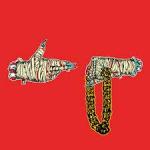
8. Run The Jewels – Run The Jewels 2

The chemistry between Killer Mike and El-P was apparent on last year’s Run The Jewels, which didn’t try to be much more than a document of two talented, wise-ass artists having fun. This second volume represents Run The Jewels as a primary career focus for both. The beats are richer and rangier; more attention is paid to sequencing, and all of that boasting comes from pride and momentum rather than just the desire to blow off steam. That said, part of their secret still has to be catharsis. Killer Mike is a legend of the Atlanta underground, whose most famous moments remain guest verses on Outkast tracks, even though his solo work rivals that of his hometown peers. El-P is a candidate for indie-rap Mount Rushmore, thanks to his work as a member of Company Flow and as the founder/house producer of Definitive Jux records, but he’s never sniffed the mainstream. Run The Jewels 2 is a great listen because of the artistry on display, but it’s the pent-up frustration that makes you want to hug your loved ones and thank god for each breath while you set fire to the neighborhood. (excerpt from my review in The Quietus, 11/5/14)

Unknown

7. Young Thug & Bloody Jay – Black Portland

If the tidal wave of creativity in Atlanta hip hop has a center, it’s probably Young Thug, whose humdrum moniker is belied by a mesmerizing energy on the mic. Here is the next level of Outkast and Lil Wayne’s alien self-identification—a man who is bilingual in the sense that he’s speaking English and Venusian at the same time. Thugga was on three tapes in 2014, and while Black Portland is begging to be remastered, it’s still the best. At the point where rubber bands break, Young Thug is just starting to stretch out, littering his natural, lackadaisical syncopation with quizzical squawks like a chipmunk Busta Rhymes. He finds an ideal foil in Bloody Jay, who sounds gruffly amused throughout, his DJ Holiday basso tipping the scales of tracks like “Movin’” and “No Fucks” from gritty street theater to one deliriously unique party. (excerpt from my review in Paste Magazine, 11/25/14)

Swans_To_Be_Kind6. Swans – To Be Kind

If you were creeped out by the snarling wolf that adorned Swans’ 2012 album The Seer, it’s probably best to avoid the cover of To Be Kind—a screaming, Rockwellian baby that David Lynch would hang above the fireplace. The album within delivers on this unsettling entrée, boiling the meaning of life down to basic human needs while it methodically destroys the world. Yet this appeal to our animal selves is belied by the band’s exquisitely crafted annihilations, like when the angular funk groove of “A Little God In My Hands” gets pancaked by a dump truck of drunken horns, making Radiohead’s “The National Anthem” seem like “I Want Candy”. When bandleader Michael Gira screams “I’m just a little boy,” it’s not a performance. It’s an expulsion. It falls somewhere between the sneer of a playground bully and the sickening croak of a bloated raven. Maybe we all are just infants alone in our cribs, pretending that there are things we need other than love and warmth and bread. If so, this record makes for one hell of a blankie. (excerpt from my review in PopMatters12/8/14)

St_Vincent_artwork

5. St. Vincent – St. Vincent

“Here’s my report from the edge.” If you’re looking for a premise statement for Annie Clark’s stunning fourth album, well there you have it. On St. Vincent, the diminutive axe-slinger sits on all kinds of edges – between pop and avant garde, satire and confession, guitar solos and blood spatter patterns. In her effortless ability to make her singular personality feel universal, Clark summons the spirit of another diminutive axe-slinger; you know, the one who could claim to approximate the sound of doves crying without sounding like a flake. And while there was plenty to like about the two Prince albums we got this year (especially the sci-fi funk opus Art Official Age), it’s St. Vincent that gives us a closer approximation of the Purple One in his ruffled, enigmatic prime. Its guitar riffs consist of hyperactive clusters of notes. Its synthesizers coat everything with a thin layer of late-November ice. Yet it’s pop bliss through and through, delivered with poetic urgency. Clark makes you feel what it’s like to be chased by a rattlesnake, or hallucinate a conversation with Huey Newton, or understand that somebody out there loves you more than Jesus ever could. If you’re looking for a one-way ticket to the edge, she’s comped one for you.
AreWeThere

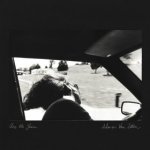
4. Sharon Van Etten – Are We There

Some voices were meant to convey ache. Like Roy Orbison. Or Hank Williams. Or Sharon Van Etten. The Brooklyn transplant warrants comparisons to such hallowed figures on her fourth album, a hypnotic collection of songs about need, and all the stupid and callous ways that others fail at fulfilling it. “I need you to be afraid of nothing,” she sings on the record’s first song, her voice leaping into a yodel on that second word like an eagle peeking above the cloud line. On a record with a three-word title that contains multitudes (Do we exist? Have we reached those goals that we set? Is this the end?, etc.) the production is appropriately reserved-yet-bottomless, a mix of chiming Americana and muffled electronics that sounds like Raising Sand getting lost on a foggy night. It’s the perfect milieu for Van Etten to sing like she’s holding nothing back. Like Roy, she can sing with the kind of quaver that reveals whatever beauty there is to see in the rawest grief. It’s a voice that can bemoan “your love is killing me,” and at the same time be absolute proof that life is good.

Cakes-Da-Killa-Hunger-Pangs-608x608

3. Cakes da Killa – Hunger Pangs

The line separating hip hop mixtapes from studio albums gets thinner every time another gorgeously produced triumph shows up on DatPiff (see #13 on this list, for example). But one listen to Hunger Pangs and you know you’re hearing a tape. The beats are jagged and guttural and loud. The songs are short, muscular, and barely interested in choruses. Whitney Houston’s between-song banter is fearlessly utilized as a coda. And goddamn is the emcee going off, tearing apart every verse like a gymnast with buzz saws for arms. Cakes da Killa is no stranger to tape brilliance, but Hunger Pangs is on another level. Run The Jewels deservedly got a lot of praise for spiking our adrenaline levels this year. They simply can’t touch Cakes on tracks like “Just Desserts” or “It’s Not Ovah” – just listening to one of his verses should qualify as an hour of cardio. “Coming at n***as like an avalanche,” he spews, not even coming close to hyperbole.

30819296_500_500

2. Pallbearer – Foundations Of Burden

The greatest poetry tends to spring from the simplest subject matter. Fire and ice. The west wind. Lightness and dark. It’s the latter dichotomy that’s woven through the ravishing gloom of Pallbearer’s second album. If you’ve ever wished that Black Sabbath had a more nuanced lyricist than Geezer Butler, Foundations Of Burden is probably gonna be your jam. “Darkened heart / Enlightened mind / Whole world apart / Remain entwined,” goes the chorus to the 10-minute opening salvo “Worlds Apart,” exploring the human struggle between instinct and intellect with an astonishing economy of words. A feeling of immensity begins here and never wavers, the result of producer Billy Anderson’s shamelessly decadent approach. Every sound is given to us in its richest, warmest tone. Guitar chords fall like velvet curtains. Brett Campbell sings in a gravel-free tenor that would make him a prime candidate for the Church of Satan’s choir director. I know this is technically doom metal, but it sounds more like bloom metal to me.

Azealia_Banks_-_Broke_With_Expensive_Taste_album_cover_20141. Azealia Banks – Broke With Expensive Taste

Broke With Expensive Taste deserves to be the next Yankee Hotel Foxtrot – the careening masterpiece that gets dropped by its shortsighted label and ends up selling like crazy once it hits the light of day. Azealia Banks’s long-shelved debut dares to enter a churning sea of genres and attitudes, and then calibrates our voyage so skillfully, it feels like we’re standing upright on a speedboat with no need for the rails. It cares not for the cycle of intense hype and curdling frustration that preceded it. It doesn’t even remember what an “Interscope Records” is. Banks is always in complete control, even when she needs to sing in perfectly inflected Spanish or summon the spirit of Annette Funicello. If you’ve been following her since “212” shook the earth three years ago, you’ll already know five of these tunes. Yet this particular familiarity does not breed contempt. Yes, we had only been given little pieces for so long, and we were tired of it. But here is the whole puzzle in all its glory. Here are those songs we love, reenergized by the context we were dreaming they’d get. This shit is better than Yankee Hotel Foxtrot. It’s better than anything that came out this year. Now let’s finally stop talking about it, and listen.

Honorable Mentions: Agalloch – The Serpent & The Sphere; Behemoth – The Satanist; Bloody Jay – #NAWFR; Leonard Cohen – Popular Problems; Flying Lotus – You’re Dead!Freddie Gibbs & Madlib – Piñata; Future – Honest; Future Islands – Singles; Gangsta Boo & La Chat – Witch; Migos – Rich N**a Timeline; Dolly Parton – Blue Smoke; PeeWee Longway – The Blue M&M; Prince – Art Official AgeSylvan Esso – Sylvan Esso; TV On The Radio – Seeds; Wu-Tang Clan – A Better Tomorrow; YG – My Krazy Life
Top 100 Albums of the ’90s (50-46)

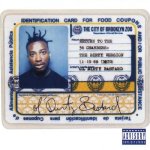
ODB50. Ol’ Dirty Bastard – Return To The 36 Chambers: The Dirty Version (1995)

Even though there were nine talented rappers vying for our attention on Wu-Tang Clan’s debut album, it was clear that Method Man was the one being pegged for a solo career. But while Mr. Meth did deliver that first Wu solo record, it was Ol’ Dirty Bastard who delivered the first Wu solo masterpiece. In hindsight, this was far from a sure thing. Because while every ODB verse on Enter the Wu-Tang is a gem, part of his impact came from the way he recklessly exploded onto tracks, spilling jet fuel in his wake. Not exactly the formula for anchoring a 15-song album. Except Return to the 36 Chambers: The Dirty Version wasn’t concerned with formula. It begins with an extended free form spoken word track in which ODB introduces himself, cries about getting gonorrhea, then sings an Andrew Dice Clay-esque spoof of “The First Time Ever I Saw Your Face” in a quavering, deep-throated croon. The record lets us spend an extended amount of time with the artist, and it reveals a man obsessed with STDs, the Great American Songbook, and a raw, off-the-cuff rhyming style that electrifies everything it touches. Almost 20 years later, it’s clearer than ever that this is no cheap laugh for hip-hop rubberneckers. This is genius, unfiltered.

Dulcinea49. Toad The Wet Sprocket – Dulcinea (1994)
A band remembered mostly for its crappy name and a pair of wide-eyed jangle-pop love songs, Toad the Wet Sprocket’s only value in 2014 should be to the producers of I Love the ’90s: Everything Else We Haven’t Talked About Yet. Except for the fact that Dulcinea, the Santa Barbara group’s fourth album, is a lush, tender, literally quixotic triumph. Released three years after the band’s commercial breakthrough, fear, the record smartly refines the swooning, alt-rock hamminess of hits like “Walk On the Ocean,” adding delicate strains of folk and country that make the morose, clean riffage feel authentic. It was the perfect accompaniment to the spiritual bent of singer/songwriter Glen Phillips, ensuring that tracks like “Fly From Heaven” and “Reincarnation Song” remain humble in their inquiries. The result is a record with a much longer shelf life than fear, with songs that put us all in the shoes of Don Quixote, elegantly losing our minds with hopes of true love and a higher standard for humanity.

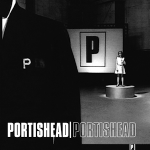
Portishead - Portishead48. Portishead – Portishead (1997)

“Nobody loves me/It’s true,” mourned Beth Gibbons on Dummy, Portishead’s essential, trip-hop hall of fame debut. Three years later, the Bristol quartet’s perspective was a bit more refined, yet no less intoxicatingly dark. “All Mine,” the first single, practically has you thinking it’s an old-fashioned love song, with Gibbons singing, “When you smile/Ohhh how I feel so good” over horns that stab and accuse like a Bernard Herrmann Bond theme. The reverie doesn’t last, of course, with the vocalist taking her haunting, Nico-via-Kate Bush pipes into the upper registers to make a chilling prediction – “Make no mistake/You shan’t escape.” If the first Portishead record was about misery, this one was about Misery. Gibbons’ incredibly effective tone once again finds its soul mate in  producer/bandleader Geoff Barrow, who unleashes a gorgeous array of crackling, unsettling samples, somber keyboards, echoing drums and inspired scratching. It was a gift to lovers of torch singing, DJ Premier and all forms of gothic art, one generous enough to satiate listeners until the band’s next effort – 11 years later.

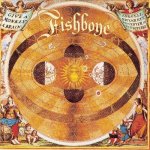
Fishbone47. Fishbone – Give A Monkey A Brain and He’ll Swear He’s the Center of the Universe (1993)
As a 15-year-old person in 1993 who loved AC/DC and Arnold Schwarzenegger in equal measure, it was a foregone conclusion that I would not only see Last Action Hero on its opening weekend, but also buy its soundtrack, which featured not only my favorite Aussies but other bands I loved like Queensryche (!) and Tesla (!!!). And lo, I loved both the film and its music. But I’ll never forget the moment track 10 of the soundtrack came on. It was a metal song, and thereby should technically have been in my comfort zone. But this was a practically riff-less, crazed dirge of a metal song, a song designed not to inspire head banging, a song that whispers to you to lie down so you can become mired in its ooze. The song was “Swim” by Fishbone, which was also the first track on this, its mindblowingly diverse and preposterously entertaining fourth album. Give A Monkey A Brain … may have been the first recorded work that taught me genre rules were imaginary. There was plenty of stunning, melodic metal, alongside the frenetic ska of “Unyielding Conditioning,” the primo Funkadelic-esque freak outs “Properties of Propaganda” and “Nutt Megalomaniac,” and a pair of avant garde punk breakdowns from singer Angelo Moore. Both “The Warmth of Your Breath” and “Drunk Skitzo” made me laugh after I picked my jaw up from the floor; today their energy remains totally addictive, but they read less like comedy, and more like profound expulsions of feeling. To say the least, the rest of the Last Action Hero soundtrack has not held up half as well.

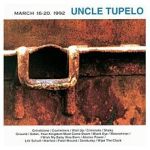
Uncle Tupelo46. Uncle Tupelo – March 16-20, 1992 (1992)

If I was writing about Uncle Tupelo five years ago, I probably would have railed against contemporary country music in that ignorant way that people sound when they criticize something they’ve never given a fair shake. But a gig reviewing concerts for my local newspaper put me face to face with supreme talents like Miranda Lambert, Brad Paisley and Eric Church, and I discovered that there’s plenty of incredible songwriting and irresistibly breezy melodies in today’s country-pop. Still, I prefer the approach of bands like Uncle Tupelo and their eventual spawn, Wilco and Son Volt. And I think I know why – they sound like blue-collar guys singing blue-collar songs, whereas today’s average country single sounds like a pop singer delivering lyrics that were vetted for the blue-collar marketplace. (It’s why I can admit that a universal party song like “Red Solo Cup” is a masterpiece, while pretty much anything with “truck” in the title makes my skin crawl. There’s a disconnect.) Or maybe this album is just so good that it’s skewing the larger argument in my mind. March 16-20, 1992 was the purest ode to blue-collar American life laid to tape in the 1990s. From its bare-bones title to its embrace of musty standards like “Coalminers” and “I Wish My Baby Was Born,” this is Americana in the raw. It was recorded and produced in Athens, GA, by R.E.M. guitarist Peter Buck, but his smartest move was to pretty much stay out of the way, letting the songs feel captured, Alan Lomax-style. It’s the most in synch that Jeff Tweedy and Jay Farrar ever sounded, so much so that the record’s best, most emotional track is one where they just play together, the bucolic instrumental “Sandusky.”

Feel free to check out the whole list so far, and stay tuned for more of my unsolicited 1990s ramblings!

The Top 20 Songs of 2013

Hello readers of words and listeners of sounds! Here are my 20 favorite tracks from the year that was. The common thread running through them all is that I thought they were good. Enjoy! (full playlist at the bottom)

Prince

20. Prince – “Da Bourgeoisie”

On top of making us feel grateful for new Prince music, “Da Bourgeoisie” almost makes us believe that Sly Stone has finally made that triumphant comeback. On the juiciest riff of the year, the purple one teaches us that funk guitar is like a campfire – if you really want it to burn, you’ve gotta let it breathe.

Danny Brown

19. Danny Brown – “Dip”

Here’s a song about an MDMA bender, that sounds like an MDMA bender. A jittery, propulsive beat built on a distorted memory of Freak Nasty’s 1996 hit “Da Dip” sets the stage for the most addictive thing of all – Danny Brown’s tweaked-out yammer.

Jim James

18. Jim James – “A New Life”

On this sweet, triumphant ballad, Jim James doesn’t just sing the line “There’s more stardust when you’re near.” He pronounces the “t” in “stardust” with NPR-ready elocution. He believes in this stuff, and I’m right there with him.

   Action Bronson

17. Action Bronson & Party Supplies – “Pepe Lopez”

Pee Wee Herman will forever win the award for “Best ‘Tequila’ Appropriation.” But on this song, Action Bronson comes damn close.

Thundercat

16. Thundercat – “Oh Sheit It’s X”

2013 was a heck of a year for ecstasy songs apparently. This vivid, psychedelic synth-funk jam from bass virtuoso Thundercat is the blissed-out counterpoint to Danny Brown’s hyperactive horror story.

1 Train

15. A$AP Rocky (feat. Kendrick Lamar, Joey Bada$$, Yelawolf, Danny Brown, Action Bronson & Big K.R.I.T.) – “1 Train”

Crew songs in rap are like double albums in rock – they’re usually bloated and unfocused, but the ones that work are all-time classics. And this is an example of the latter – with so many creatively peaking emcees one-upping each other over a haunting, string-laced beat, you never want “1 Train” to stop rolling.

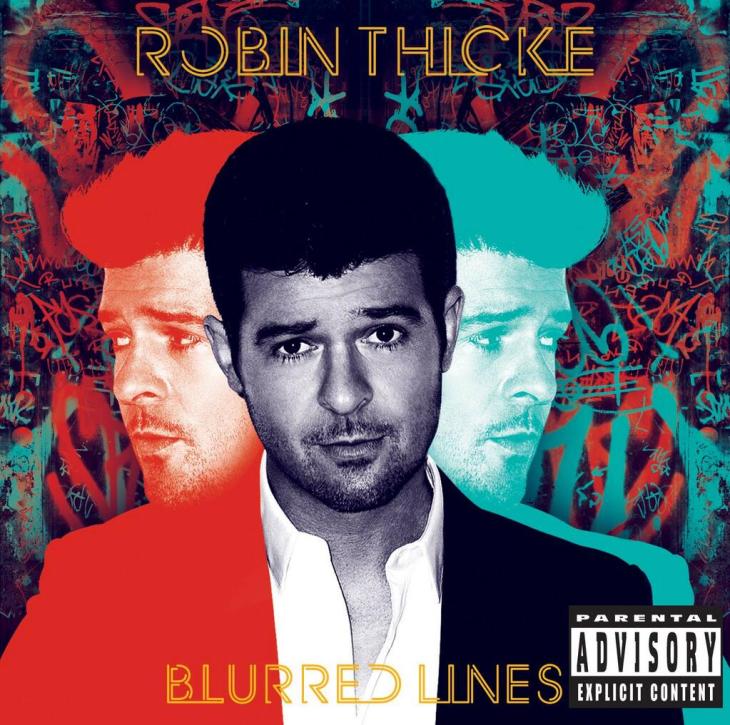
Robin Thicke

14. Robin Thicke (feat. Pharrell and T.I.) – “Blurred Lines”

Lifting its groove wholesale from Marvin Gaye’s “Got To Give It Up,” this juggernaut of a summer jam possessed just the right mix of sunny songcraft and dumb-ass confidence. Even though I heard it around 156,000 times this year, its “you know you want it” refrain always rang true.

Pistol Annies

13. Pistol Annies – “I Hope You’re The End Of My Story”

For anybody who’s ever been touched by a story like this.

Retrograde

12. James Blake – “Retrograde”

“Ignore everybody else/We’re alone now.” On a record full of bald romantic overtures, the chorus from “Retrograde” shimmers the brightest – as does its lilting melody, Blake’s catchiest yet.

Finnaticz

11. Finatticz – “Don’t Drop That (Thun Thun)”

And now for our next entry of Now That’s What I Call Songs About MDMA!: This insanely catchy slice of stripped-down ratchet, which tells us not to drop said drug while educating us on yet another slang term for it. With that chorus blasting, any other high would just seem redundant.

Kanye West

10. Kanye West – “Black Skinhead”

Seven notes, synth toms, hyperventilation, and the truth.

Chance The Rapper

9. Chance The Rapper – “Cocoa Butter Kisses”

When Chance talks about putting Visine in his eyes because his grandma wouldn’t hug him otherwise, this self-deprecating, nicotine-stained gospel singalong becomes the stuff of great storytelling.

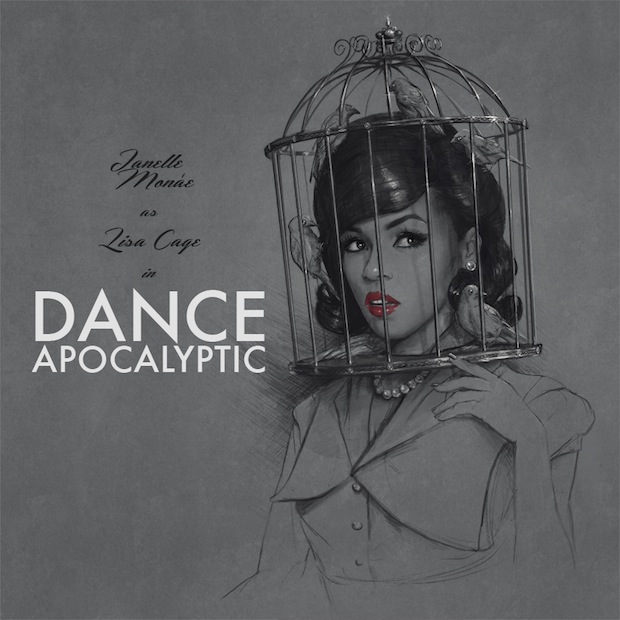
Janelle Monae

8. Janelle Monae – “Dance Apocalyptic”

If Janelle Monae was on the Titanic, that sad-sack string quartet would’ve been jettisoned right quick, in favor some absurdly, deliriously addictive R&B.

Rhye

7. Rhye – “Open”

When delivered in the right way, few things are sexier than a plea. With “Open,” Rhye takes the opposite tact of, say, James Brown, but its languorous, whispered appeals feel just as deliciously desperate.

pusha_t_my_name_is_my_name

6. Pusha T – “Numbers On The Boards”

Push growls with the grizzled confidence of a junkyard dog, over a filthy-hot beat that sounds like a trash compacter on the fritz – giving a whole new meaning to the phrase “raw talent.”

Disclosure

5. Disclosure – “When A Fire Starts To Burn”

Take a snippet of molten-hot ranting from a guy who calls himself “The Hip Hop Preacher,” add a no-nonsense drum n’ bass groove, and you’ve got an eternal flame of a club jam.

M.I.A.

4. M.I.A. – “Come Walk With Me”

M.I.A. wrote the catchiest chorus of the year, and then pulverized it with an electronic air raid.

Drake

3. Drake – “Hold On, We’re Going Home”

The 1988 Marvin Gaye last call ballad that never was.

Kanye West

2. Kanye West – “Bound 2”

You’d think the last noise on Yeezus would be some kind of bloodcurdling scream. But it’s actually the reassuring coo of Brenda Lee’s voice, on a song that anchors a tempestuous album in the same way love anchors a man.

timthumb

1. Bill Callahan – “Small Plane”

Human flight is quite a feat, but Bill Callahan finds something else even more miraculous on this profound ode to love’s triumph over turbulence.

The Top 20 Albums of 2013

Dear readers,

Before we dive into yet another year-end rundown of music sounds that I deemed pleasurable, I wanted to say that this particular list was most likely influenced by events other than the physical media spinning on my Discman. This June, my wife and I realized a dream by moving to Maine, and the sudden proliferation of beauty and happiness made me more susceptible to messages about life being worthwhile and love being the most important thing. Am I seeing the world through rose-colored glasses, you ask? Well, I just jabbed a pen at my eye area to check, and nope! No glasses. So even though my retina is bleeding, if I had to pick one lyric I identify with from the albums on this list, it would be “I really am a lucky man.”

future20. Future – Future Presents F.B.G.: The Movie
Auto-Tune was invented to be a form of sonic retouching, a way to ensure pitch perfection for any vocalist. But if you’ve heard Cher’s “Believe,” or seen a cover of Vogue lately, you know that the more you hide flaws, the more you’re hiding signs of life. Which makes Future’s artistic identity all the more transgressive and intoxicating. The Atlanta rapper uses Auto-Tune not as a support system, but as a sparring partner, his voice rejecting its attempts to correct it, resulting in an entrancing, narcotic croak that frays and stutters like a YouTube video played over spotty Wi-Fi. So while FBG: The Movie suffers a bit from your typical rap crew mixtape bloat (it’s intended to be a showcase for Future’s Free Bands collective), it has Future delivering pretty much every chorus, sounding deliriously confident and dangerously vulnerable, all at the same time. Like last year’s Rick Ross tape Rich Forever, FBG: The Movie has so many classic, filthy-loud beats it almost feels unfair. But where Ross washed his kingpin tales in bright comic book colors, Future is a decidedly flawed superhero – a man masked in Auto-Tune, fighting for air.

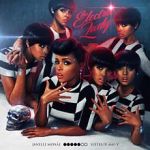
The Electric Lady19. Janelle Monae – The Electric Lady

Sometimes an artist is too talented for their own good. They operate on a different plane than their audience, seeing things they couldn’t possibly see, and thereby creating things that are difficult for them to digest. Like sci-fi writer Frank Herbert, whose novel Dune is a breathtakingly intricate achievement of the human imagination, and also boring as shit. Then there’s sci-fi R&B singer Janelle Monae, whose artistic vision is painstakingly complete to a level of confusion. On her magnificent 2010 debut The ArchAndroid, the whole Blade Runner-ish concept didn’t make a whole lot of sense, but it didn’t matter, thanks to stone cold grooves like “Tightrope.” It’s essentially more of the same on The Electric Lady, which means Monae gives us an album’s worth of monster jams (“Dance Apocalyptic” will make you do just that, for instance), but almost buries them in unnecessary world building. There’s enough greatness here to forgive these failed attempts at concept album transcendence, but here’s hoping her next record is all sandworm, and no sand.

Lousy With Sylvianbriar18. Of Montreal – Lousy With Sylvianbriar

If Kevin Barnes has made a bad record, I haven’t heard it. But it’s not for lack of trying. Over the course of a dozen albums, the driving creative force behind Of Montreal has taken his music in all kinds of questionable directions – he’s written the twee-est of bedroom folk songs, stacked harmonies like Phil Spector on acid, spilled his guts about a divorce over dance-pop beats, and then created a hedonistic alter ego to take that same approach into some seriously apeshit-sounding places. Lousy With Sylvianbriar represents his first major creative shift since that incredible divorce album (2007’s Hissing Fauna, Are You The Destroyer?) – convincingly appropriating 1970s country-rock vernacular, full of cheerful slide guitars, chiming mandolins and Gram Parsons/Emmylou Harris-style duets. It should come as no surprise that it works; in fact, it’s the most focused collection of Barnes songs in years. Whether he’s burrowing in the pocket of a loose, Sticky Fingers-era Stones groove or cooing an Opry-ready ballad, Barnes sticks to the one thing that has been consistent throughout his crazy-ambitious career arc – dense, whimsical, unforgettable wordplay. Like this doozy: “The voice with the synapse that calls blood bats into action has now entered the tablelands.”

Push The Sky Away17. Nick Cave & The Bad Seeds – Push The Sky Away

If anybody was worried that original guitarist and songwriter Mick Harvey’s exit from the Bad Seeds would be a death knell for Nick Cave’s most longstanding incarnation, the refrain from “Water’s Edge” should’ve quelled some nerves: “It’s the will of love/It’s the thrill of love/But the chill of love is comin’ down.” Lyrics don’t get much more Nick Cave-y than that, and Push The Sky Away, his 15th Bad Seeds record, is full of similar ruminations on romance and death and dark destinies coming to fruition by the seaside. It’s the band’s most beautiful work in this century, a collection of quietly ominous, pre-dawn ballads that are no less frightening for their prettiness. Perhaps Harvey could’ve convinced Cave to prune a lunkheaded line or two, or at least save them for Grinderman 3 (which is a thing that I’m just going to say is happening because IT NEEDS TO HAPPEN), especially the first couplet from the otherwise crushingly gorgeous “Mermaids.” But on the whole, this is a legacy-worthy installment, a deliciously restrained effort from a band that seemed due for an overreach.

Wakin On A Pretty Daze16. Kurt Vile – Wakin On A Pretty Daze

In my best of 2011 list, I tried to explain why Kurt Vile’s lackadaisical brand of folk-rock is so damn compelling. The best I could do was the old cliché that “not trying makes you cool” (which, really? come on, self). Luckily, I don’t have to attempt it again this year, because on the warm, rolling dream that is Wakin On A Pretty Daze, Vile delivers a line that pretty much nails it – “Feeling bad in the best way a man can.” These are songs with narrators in need – of love, vindication, succor, direction in life, etc. Yet instead of wallowing, they’re more likely to step out into the sunshine, make a wisecrack and coast on the reverberating, 12-string acoustic waves. Songs like “Pure Pain,” “Shame Chamber” and “Too Hard” aren’t titled ironically, yet they’re streaked with hope, and anchored by Vile’s singing, which never rises above an “everything’s gonna be OK” kind of murmur. He’s singing about feelings that sting like freezing rain, if only because they make pretty days that much prettier.

Yoko Ono15. Yoko Ono/Plastic Ono Band – Take Me To The Land Of Hell

Yoko Ono’s music has a pretty entrenched reputation as the ultimate in avant garde art student bullshit. And while she’s done plenty of that sort of thing – much of it with a man who remains universally thought of as a genius – her actual sonic identity is much more nuanced, marked by hyperactive new wave freakouts, strikingly fragile balladry, and nostalgic 1930s-style romps that make you wonder if she’s been a closet McCartney fan all these years. Her latest album with Plastic Ono Band (which includes son and bandleader Sean Lennon, as well as guests like Questlove, Nels Cline and the surviving Beastie Boys) is a worthy addition to a musical legacy both aggressively offbeat and quirkily traditional. Yes, there are the stereotypical Ono shriek-outs, which make tracks like the opening rock/poetry slam pastiche “Moonbeams” sound off-the-rails dangerous, but there are also meditations on true love that would fit snugly on Double Fantasy (“There’s No Goodbye Between Us”) and a cheeky, cabaret-style kiss-off to an ex that’s as charming as music got in 2013 (“Leaving Tim”). Now an octogenarian, Yoko sounds as feisty and invested as ever – so much so that a trip to hell now feels like one unforgettably whacked-out kind of party.

The Next Day14. David Bowie – The Next Day

If somebody put a gun to my head and demanded I point out a weakness of David Bowie in his prime (which for my money began with 1971’s Hunky Dory and ended with 1977’s Heroes), I’d probably single out his singing voice. In reality, Bowie’s reedy quaver had an enchantingly alien quality that fit all the interstellar/dystopian subject material quite snugly, but I wouldn’t call it beautiful, and hey, this guy’s about to kill me here. And that makes the distinctive pleasure of Bowie’s 21st century material downright ironic – and an argument in favor of the artist being something more than human, like that all-knowing glow-being from The Abyss or something. Because on records like 2002’s Heathen and this year’s surprise release The Next Day, David Bowie’s singing is the number one reason to pay attention – his timbre more resonant, his phrasing more nuanced, his 66-year-old vocal chords responsible for some of the most solemnly pretty noise in rock and roll. The Next Day treads some familiar terrain for Bowie fans – elegant, gothic rock songs about fame, the apocalypse and space dancing – but this time around, our messenger traverses it with a deep, knowing croon, and that makes all the difference. His message used to be “hang onto yourself,” but now that the ride is almost over, he’d rather we sit back, relax, and accept the inevitable with a smile.

Modern Vampires13. Vampire Weekend – Modern Vampires Of The City

Like Coldplay, Vampire Weekend is a band that invites an easy kind of hate – for starters, you’ve got the Graceland-aping trust fund ballads, upper crust New England hipster duds, and tween-friendly band name. But let’s pretend that their ’80s Afro-pop hooks weren’t discussed as if they were revolutionary, that they’re all children of Indianapolis schoolteachers, and that they’ve had a good band name this whole time (for the sake of this exercise, we’ll go with “Good Band Name”). And you’ve got a group that can craft a cheerful hook as effectively as anybody, who stuffed its first two albums with so many of them that it seemed unfair, and whose third release manages to work in some stunning mid-mid-life crisis poetry without skimping on the earworms. In this vacuum I’ve created, Modern Vampires Of The City (aka Good Band Name III) is a fantastic work of art, where singer/co-writer Ezra Koenig (aka Frank Stevens) tries to reconcile his faith in God, which is tough to do when he can’t even keep a relationship from falling apart during a cross-country trip. “Wisdom’s a gift/But you’d trade it for youth,” he sings during the lyrical encyclopedia that is “Step.” Considering how compelling his band has become since the days of “Who gives a fuck about an oxford comma,” I’m compelled to disagree.

Carcass12. Carcass – Surgical Steel

I suspect my relationship with death is like most Americans – it gives me a hazy, queasy feeling that I quickly distract myself from with the bounty of cheap food and endless entertainment at my disposal. So when an existential coward like me puts on a record like Surgical Steel, he feels a crazed, drooling kind of glee – here’s a group of middle-aged British guys who channel their death obsession into 52 minutes of relentless, chest cavity-collapsing thrash. This is Carcass’ first record since breaking up in 1996, and it’s (ironically) a stunning rebirth, with Jeff Walker’s mostly unintelligible, coked-up-harpy vocals doing god knows what kind of damage to his throat over Dan Wilding’s firebomb drumming, the guitar parts containing just enough catchy Iron Maiden interplay to make beautiful sense of the chaos. And when you listen closely enough to make out a line or two, chances are it’s worth the effort (e.g. “A working class hero is something to bleed.”). Metal has always been a refuge for the insecure, but discovering a Carcass with this much life in it makes me especially, screamingly grateful for every drop of blood I’ve got.

Pusha T11. Pusha T – My Name Is My Name

Even for a genre where boasting is like breathing, 2013 was an especially egomaniacal year in hip hop – whether it was thrillingly unstable, moody and defensive, reeking of flop sweat, or recorded while waiting for the yacht cable guy. But nobody explored the depths of their own awesomeness with the level of measured cool achieved by Pusha T, whose first official solo record completely delivers on the audacious yet matter-of-fact confidence of its title. It’s a feat even more impressive when you consider the pressure to perform – years into his solo career after the demise of Clipse, Pusha T had put out a mixtape and an EP, and landed some prominent guest verses, but hadn’t really proven he could carry a record. While hip hop is friendlier to its elder statesmen than it used to be, a bust from Push here would’ve been a killer. Not that he sounds concerned in the least over the raw industrial clatter of “Numbers On the Boards,” where he lays claim to “36 years of doin’ dirt like it’s Earth Day,” his gruff, laconic flow selling the hardest beat of the year, illustrating the grime and glory of the drug game in a way that’s both romantic and weathered from experience. Even with the murderer’s row of talent producing him (Kanye West, Pharrell Williams, The-Dream, etc.) and a top-form guest spot from the seemingly unstoppable Kendrick Lamar, Pusha T dominates with a steady hand, like the lone survivor in a deal gone wrong.

Matangi10. M.I.A. – Matangi

It’s always been tough to accept the plight of the wealthy celebrity – “heavy lies the crown” makes more sense when applied to presidents than, say, Super Bowl halftime show performers. But ever since making an indelible, kaleidoscopic imprint on the world of popular music with her 2007 album Kala, M.I.A. has been in active rebellion against the idea of being a pop star, and it has been as compelling as any artistic evolution this millennium. On Matangi, her fourth record, the English/Sri Lankan singer, rapper, songwriter and noise wrangler remains in distress about her position of influence, exhorting her listeners to both dance and revolt over squalls of mechanized drumming. And while no song avoids these thrilling, dissonant bursts, M.I.A. does gives those pop sensibilities more room to breathe than she did on her last record, 2011’s cold, tangled, underrated Maya. Sensibilities that are most evident on “Come Walk With Me,” which pairs a sunny, it-takes-two philosophy with an endlessly hummable chorus, giving us enough time to appreciate those incomparable summer jam chops before the sledgehammer drums shatter our reverie. The crown remains heavy, but M.I.A. has come up with a surefire way to deal with it – make sure her records are even heavier.

Muchacho9. Phosphorescent – Muchacho

Matthew Houck’s albums have always been delicate affairs, perfect for the emotional rollercoaster one goes through while nursing a hangover – confusion, regret, inexplicable elation, then regret again. So it’s quite fitting that his sixth album as Phosphorescent was inspired by a recent lonely, heartsick period in Mexico, where an exhausted Houck mourned the loss of his NYC studio (which had to be moved thanks to re-zoning) and the demise of a relationship. But this time around, the singer/songwriter is just as interested in the party that happens before the pity-party, resulting in the most robust production of his career – in between the fragile, spiritual beauty of the record’s sunrise/sunset bookends, Muchacho contains pedal-steel swathed country strolls, a ragged, swirling Neil Young-ish opus, and 1980s adult contemporary synths. Like all Phosphorescent records, it’s all threaded together by the distinctly earnest, about-to-crack nature of Houck’s voice, which can make a line like “I’ll fix myself up, to come and be with you” sound like the rawest, most solemn promise.

Blue Chips8. Action Bronson & Party Supplies – Blue Chips 2
Apparently Action Bronson has been recording his major label debut for Atlantic Records. Here’s hoping they’re saving as much of the budget as possible for sample clearance. Because this mixtape, a sequel to last year’s stellar Blue Chips, contains what is possibly the most entertaining melange of looped pop hits this side of Paul’s Boutique – after Blue Chips 2, any record that doesn’t give Bronsolino at least one ironically applied oldie or ’80s smash to spit over will feel like a disappointment. Not to make BC2 sound like a gimmick, because it’s not. (It doesn’t work because it samples “Sledgehammer,” it works because it has Action Bronson opining, “Uhhh … fly shit … grown man shit” over a sample of “Sledgehammer.”) Like the first Blue Chips, this tape features plenty of RZA-like, scratchy soul loops to back up verses loaded with references to food, sex and 1990s athletes (Nick Van Exel, take a bow). But the whole thing is just more fun this time around, what with the snippets of Applebee’s commercials and beats born from “Tequila” and Tracy Chapman’s “Gimme One Reason.” Few rappers are feeling it like Action Bronson these days, and BC2 is the perfect platform for his magnificent, tongue-in-cheek shit talk.

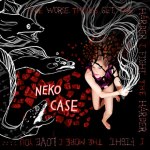
Neko Case7. Neko Case – The Worse Things Get, The Harder I Fight, The Harder I Fight, The More I Love You

Neko Case is sick and tired of your expectations. “If I puked up some sonnets, would you call me a miracle?” she asks on “Night Still Comes,” one of many tracks on her stunning sixth album that discover freedom through fatalistic directness. The singer/songwriter has never sounded this fed up – with crummy parents, dumb-ass lovers and those pesky illustrated lampreys – and her scalding sarcasm turns the lovely, warm bath of a typical Case production into a complex, simmering stew. Gone are the love-as-tornado metaphors, replaced by the rallying cries of the defiantly heartbroken – “You didn’t know what a man was/Until I showed you,” she belts triumphantly over the sensational gallop of “Man.” All this vitriol does not change the fact that The Worse Things Get is a joy to listen to on the level of Case’s two previous masterworks (2006’s Fox Confessor Brings The Flood and 2009’s Middle Cyclone). From ghostly a cappella breaks to burbling baritone-sax arrangements, quiet acoustic reflections to finger-wagging girl group choruses, this is as ambitious and assured as Case has ever sounded. On the record’s opening song, she asks herself if she’d rather be a king or a king’s pet. Hearing the absolute power she wields in the studio, you can guess which one she chooses.

Rhye6. Rhye – Woman

R&B is generally viewed as the sexiest genre of music, the go-to soundtrack for doing stuff on bearskin rugs by the fire and the like. And while there’s great R&B that embraces such corny clichés (see Kelly, R.), I think that for the most part, this stuff is at its most sensual when it’s about more than just sex. Enter Rhye, an L.A. duo whose immaculate quiet storm of a debut album is full of excellent pick-up lines, but delivers them with the sweetness and vulnerability of a heat-of-the-moment “I love you.” It’s the same delicate emotional balance that defined Sade at her peak – and listening to how Woman weaves blankets of synthesizers for lead singer Milosh to tuck us in with, there’s no doubt that Rhye is more than just influenced by the queen of slow-burning romance. This album is a tribute to her. So for those of us who find tenderness to be erotic, these guys were the smoothest operators of 2013.

Overgrown5. James Blake – Overgrown

When artists say they don’t really care about attention or awards, it’s usually a lie they’re not even trying that hard to sell. But on the title track of James Blake’s hypnotic second album, his pleas for constancy over frivolity are either totally sincere, or the product of a magnificent fibber: “I don’t wanna be a star/But a stone on the shore/A lone door frame in the wall/When everything’s overgrown.” I can’t help but take him at his word, because Overgrown itself is an argument for the beauty of things that last, a collection of simple mantras about what truly matters woven through a wintry forest of lulling, whispering electronica. Blake has created a consistently entrancing experience akin to his devastating 2011 debut, continuing to draw no lines between moments of transcendence and pain. But there’s a lot more of the former this time around, thanks to a handful of love songs that are as profoundly spartan as a blue collar engagement ring – “To the last/You and I,” he croons, leaving the flowery language to those who crave stardom above all.

Nothing Was The Same4. Drake – Nothing Was The Same

The most compelling thing about Drake is the way he has his cake and eats it too – crafting verses that are drenched in both bravado and insecurity, making references to his days as a child star while also saying he started from the bottom, making music that’s muted and moody, yet somehow perfectly calibrated for the pop charts. These dichotomies could be infuriating in lesser hands – and on lesser Drake albums – but on Nothing Was The Same, the artist’s vision is so thoroughly realized, his collective strengths, weaknesses, priorities and fears make for a story as seamless as its exquisitely sequenced tracks. If the arc of his tortured millionaire persona is a put-on, it’s a fantastically executed one, because on NWTS, the cognac-for-one romantic despair of Drake’s previous work evolves into a grander fear of the other shoe dropping. The more money he makes (which, according to his verse on “All Me,” is so much he’s forgotten the amount), the more he feels like it can’t last. So much of the record finds the rapper revisiting the fantasies of his 1990s childhood, creating a two-song sequence based on Wu-Tang Clan’s most magnanimous single, making Fresh Prince of Bel Air references, comparing his earning potential to Dan Marino’s in his prime. These would seem to be the only things this prodigy-turned-superstar can take comfort in, if it weren’t for all those sumptuous, late-night-neon grooves.

Yeezus3. Kanye West – Yeezus

A casual scan of a Kanye West lyric sheet or Twitter feed will make it clear that this is a man who loves fashion. So he’s probably familiar with Coco Chanel’s famous adage, “Before you leave the house, look in the mirror and remove one accessory.” For his album Yeezus, West looked in the mirror and removed almost everything, stripping his ornate production style down to the most visceral noises, accessorizing them only with his rampaging id, intense ego, and super-intense superego. If it’s not his best record, it’s certainly his most exhilarating, and shamelessly human. West, who co-produced Yeezus with an aging Snarf, uses his own gasps for breath as a percussion instrument and features a hysterical scream like it’s a guitar solo. He twists Justin Vernon’s lullaby tenor into something slimy and subterranean. When looking for a metaphor for his song about divorce, he goes with Nina Simone’s version of “Strange Fruit.” It’s a flailing, agonizing, extraordinary experience from an artist whose refusal to be tagged and classified might come off awkwardly on talk shows, but burns bright as diamonds in his art.

Dream River2. Bill Callahan – Dream River

Two years after releasing an album called Apocalypse, Bill Callahan resurfaced in 2013 with the most life-affirming record of the year. Dream River begins with Callahan in full story-song cowboy mode, sitting alone in a hotel bar. But instead of brooding about stuff like how every flower turns to hay, he relishes in the simple joy of a three-word vocabulary (“Beer” and “thank you”), appreciating everyone in the room, just because they exist. From an artist who has tended to espouse a worldview where even the silver linings are tarnished, this is an unexpected, enlightening surprise, like encountering a Larry McMurtry character in a Cormac McCarthy novel. And just when you start to ask why, track two starts playing, and you realize he’s in love. “You looked like worldwide Armageddon while you slept,” Callahan sings in his rich, whiskey-barrel basso. “You looked so peaceful, you scared me.” Fear of losing one’s full happiness is right there in that voice. Fear, and awe, and gratitude. Dream River overflows with moments like these – a cycle of eight songs that represent a metaphysical moment of clarity. Bill Callahan might look at life as one arcing flight through the air, but he’s made an album about the times before you land in which you truly feel weightless.

Chance The Rapper1. Chance The Rapper – Acid Rap

Smoking cigarettes doesn’t quite have the cultural cache that it used to – these days, kids need an especially potent sense of mischief, rebellion and self-loathing to get hooked. It’s this precise emotional cocktail that fuels Chance The Rapper on Acid Rap, where he gives a fascinating, charismatic performance that puts him on the short list of young artists who seem primed to leave their fingerprints all over the ’10s. The 20-year-old Chicagoan spent his formative years ingesting Kanye West’s college trilogy and Lil Wayne’s mixtape revolution, and he soaks his second tape in the balmy soul samples of the former, and the effortlessly hilarious, cough-addled wordplay of the latter. But Acid Rap is about way more than influences. Chance has his own fully formed persona here, a laughing-and-pointing playground pest whose vulnerability is clearly visible between all the “nyeah nyeah, nyeah-nyeah-nyeahs.” He litters his verses with a mischievous, nasal quack, which logic dictates should be annoying, but instead is as playful and essential as a Kanye “Haaah!” “Cigarettes, oh cigarettes/My mama think I stink/I got burn holes in my hoodies/All my homies think it’s dank,” Chance sings over the trembling church organ of “Cocoa Butter Kisses,” making fun of himself while making us root for him at the same time. I’m addicted, and not just because it makes me look cool.

HONORABLE MENTIONS

Atoms For Peace – Amok; Danny Brown – Old; Cakes Da Killa – The Eulogy; Disclosure – Settle; The Flaming Lips – The Terror; Jim James – Regions Of Light And Sound Of God; Paul McCartney – New; Queens of the Stone Age – … Like Clockwork; Run The Jewels – Run The Jewels; Ty Segall – Sleeper; She & Him – Volume Three; Skeletonwitch – Serpents Unleashed; Shugo Tokumaru – In Focus?; Tree – Sunday School II: When Church Lets Out; Waxahatchee – Cerulean Salt

Top 100 Albums of the ’90s (55-51)

And we continue our methodical countdown of some guy’s 100 favorite albums of the 1990s. For no particular reason, either! This next batch of five rounds out #100-51, and it includes a record that’s depressing as all hell, one that confronts sadness and decay in a sweet, kinda triumphant way, and one that’s by Soul Coughing, proving that this is a list about the ’90s. So read away! Or if you like, check out the whole list so far. I’ll be back in a month or so to crack into the top 50! (“Hooray,” you say to yourself flatly, not even pretending to hide your sarcasm.)

Harvest Moon55. Neil Young – Harvest Moon (1992)

In the ’90s, we started to get a good idea of how the legendary artists of the ’60s and ’70s were going to deal with aging. Paul McCartney would dye his hair and keep on writing love songs. Stevie Wonder would pretty much retire. Bob Dylan would shroud himself in mortality and end up resuscitating his muse. But no artist stepped into middle age as organically as Neil Young did on Harvest Moon – an album of gentle country songs about life passing by, made to be listened to on a big front porch in the twilight. The then 47-year-old certainly doesn’t ignore the darkness, singing about the aching desperation of divorce, a waitress haunted by regrets, and a man contemplating suicide in a minivan. But his gently quavering voice, sympathetic turns of phrase, and clear-eyed belief in true love (especially on the title track) tip the scales from depressing to life-affirming. Then there’s “Old King,” a jaunty bluegrass eulogy to a hound dog that’s about as much fun as anybody could have contemplating death. If you could prescribe treatment for the human condition, Harvest Moon would be FDA-approved.

Electro-Shock Blues54. Eels – Electro-Shock Blues (1998)

Moving on, from one ruminative, regret-laden work to what is arguably the Grand Poobah of ruminative, regret-laden 1990s albums. After losing both his mother and sister in a short period of time, Mark Oliver Everett – the one-man phenomenon behind Eels – made a record that wallows in raw cynicism and deep, lying-on-the-bathroom-floor sadness (at its lowest, quietest moments, you can almost smell the porcelain). Lyrically, Elecro-Shock Blues is an open vein (e.g. “My life is shit and piss”), and it would be light years from this list if those often-brutal sentiments weren’t balanced out by the production, which was eclectic enough to make a fan out of Tom Waits. Among the many gorgeous acoustic ballads, there’s the lurching rhythms and crackling found sounds of “Cancer for the Cure,” the dance-folk breaks of “Last Stop: This Town” and the sexy Morphine rumble of “Hospital Food.” Hence, by the time Everett rewards us on the closing “P.S. You Rock My World” by admitting to a new appreciation for being alive, we’re wishing the whole beautiful thing wouldn’t end.

In A Priest-Driven Ambulance53. The Flaming Lips – In A Priest-Driven Ambulance (1990)

Unlike most of the epic rock music released in the ’90s, The Flaming Lips’ magnum opus – 1999’s The Soft Bulletin – was a gorgeously un-ironic embrace of hope and belief. But it was also the natural endgame of a creative impulse that was first exhibited nine years earlier, on the band’s fourth album. In A Priest-Driven Ambulance finds Lips songwriter Wayne Coyne deep in a Christ obsession, his analytical and spiritual sides clashing, adding an exotic tension to the ragged helium of his voice. “While I’m still myself/Your blankets covered me,” Coyne sings on the triumphant psych-folk opening “Shine On Sweet Jesus,” swooning at the beauty of belief. But over the spare chords and insistent crickets of “There You Are,” there’s the sickening chill of doubt –  “It makes you think that God was fucked up when he made this town.” By decade’s end, The Flaming Lips stood firmly on the side of belief in something more. Without stunning metaphysical wrestling matches like this album, that level of peace wouldn’t have been achievable.

Ruby Vroom52. Soul Coughing – Ruby Vroom (1994)

Like countless hypersensitive, white suburban teenagers in the 1990s, I was magnetically drawn to albums like The Chronic and Enter the 36 Chambers – raw, confident, impeccably produced works of art that possessed an egomaniacal energy I could leech off of. But I was just as crazy about bands like Barenaked Ladies and Primus, whose strident dorkiness spoke to the chicken-armed X-Files fanboy in me. So when I first heard Ruby Vroom’s opening song, “Is Chicago, Is Not Chicago,” it was like hearing those two factions of my CD collection – and those two idealized versions of myself – gelling, and it kicked more ass than it had any right to. Few bass lines have ever burrowed as deep in the pocket as Sebastian Steinberg’s does here – the groove produced by Steinberg and drummer Yuval Dabay transcends the standard definition of rhythm, inciting a primal, emotional reaction that would make Elaine Benes feel like Gregory Hines. And when M. Doughty tells you that “Saskatoon is in the room” in his flat, nasal voice, you realize that post-ironic nerdy nonsense can play in the same sandbox as supreme-sonic-super-badness. That the silly shit you think is funny might not be the polar opposite of funky. That it’s not 100% ridiculous to dream that you could, one day, bring the motherfuckin’ ruckus.

Homogenic51. Bjork – Homogenic (1997)

Electronic music is fertile ground as a metaphor for sadness. Whether it’s Kanye West undergoing therapy-by-AutoTune on 808s & Heartbreak, David Bowie nailing what a “sense of doubt” sounds like during his Berlin period, or Portishead’s entire catalog, synthesized notes do a bang-up job representing a lack of emotional warmth. Which makes Bjork’s Homogenic a special album beyond the immediate bounty of its lush, philharmonic-tronica production. After the breathtaking genre whirlwinds of Debut and Post, Homogenic finds the artist working in one sonic cul-de-sac for the first time. The production makes you think twice about the originality of 21st century Radiohead – ghostly drum loops and synth patches give way to stunning string arrangements. It’s dizzyingly dour music that would make the perfect accompaniment to songs about winter, or war, or whatever kind of “sour time” you want to moan on about. But instead, Bjork uses them to sing about love as a connection that transcends the physical, that’s as inevitable as the tide, that surrounds us all whether we know it or not. Even when her music’s at its tamest, her impulses are anything but.

Top 100 Albums of the ’90s (60-56)

220px-RHCP-BSSM60. Red Hot Chili Peppers – Blood Sugar Sex Magik (1991)

Of all the mega-selling, on-the-charts-for-years rock albums, have any been as weirdly schizophrenic as Blood Sugar Sex Magik? After scoring a minor hit in 1989 with a rather grating cover of Stevie Wonder’s “Higher Ground,” Red Hot Chili Peppers used its next album to shamelessly court the mainstream. And spit in its face. And forget all about it because it had a boner. And then court it again. BSSM is on this list because it remains the band’s most fully realized work, a 17-track tapestry of immaculately crafted funk and richly realized, anthemic rock. When John Frusciante’s elegant guitar chatter intertwines with Flea’s lyrical bass lines on tracks like “If You Have To Ask,” “Mellowship Slinky” and “Apache Rose Peacock,” they prove that party music for buttheads can be as artful as anything else. But as always, the band’s X factor is singer Anthony Kiedis, whose political rants and sexual fantasies have always been as developed as your average 13-year-old (“Sir Psycho Sexy” is BSSM’s most ambitious song, and thanks to Kiedis and his vagina thesaurus, it’s also its most embarrassing). Yet, on this record, Kiedis also convincingly hates the honesty in his face, sees the world through the eyes of an addict, and gets endearingly goofy while covering Robert Johnson. This album is where the bravado of the penis-sock days met the polished, dad-friendly balladry that’s defined Red Hot Chili Peppers ever since. Why is that a good thing? If you have to ask, you’ll never know.

Blowout_Comb_Cover59. Digable Planets – Blowout Comb (1994)

To the delight of aspiring poets, kids who couldn’t get into bars, and white people with dreadlocks, coffee shops were all the rage in the 1990s. I can remember spending way too much time at a place in Buffalo called Stimulance, pretending to like cappuccino while sitting on ironically garbage-picked furniture. In retrospect, this fad had a few positive aftereffects – like the snob-worthy java you can find around every corner these days, and the all-too-brief popularity of groups like Digable Planets. Fusing the cadence of live poetry with the jazzy sensibilities of Native Tongues hip-hop, this Brooklyn trio scored a hit with 1993’s “Rebirth of Slick,” and used all of its resultant goodwill to make this sprawling, career-murdering, aggressively chilled-out masterwork. Eschewing samples in favor of live musicians, Blowout Comb makes the jazz-rap experiments of its peers sound like novelty tracks. Saxophones trill; vibraphones echo; live drums burrow deep in the pocket, and emcees Butterfly, Ladybug and Doodlebug deliver verses with soft, rhythmic power. Their voices are such a part of the aesthetic that you barely remember what you just heard, drifting happily from track to track. To listen to Blowout Comb is to experience new vistas of dreamy funk, which lull you into closing your eyes, as the summer sun glows behind them.

Basement_Jaxx_-_Remedy_-_CD_album_cover58. Basement Jaxx – Remedy (1999)

I was a loyal subscriber to Rolling Stone and Spin for most of the ’90s, and have a vague recollection of being told in no uncertain terms that electronica was going to be the next grunge. I certainly bought into that hype – spending $17 on Tricky’s Maxinquaye and trying very hard to like it, for example (I still don’t get it) – but it wasn’t until I was in college and heard Basement Jaxx that I thought those writers might not have been totally full of shit. Electronica never took off, I know, but maybe if something as funky, melodic, and unabashedly hook-filled as Remedy had hit five years earlier, we’d be left with more than mental images of that Prodigy guy’s seizure-dancing. Or maybe I’m just not a big electronic music guy (Daft Punk’s never really done it for me either), and Remedy is one of those records that only requires a pulse to enjoy. Either way, the thing is as fun to crank as ever, a dance record that uses digital elements as efficiently as a great punk band uses chords.

Ben_Folds_Five_-_Ben_Folds_Five57. Ben Folds Five – Ben Folds Five (1995)

Nerdy dudes can be like fine wine – once they reach a certain age, they turn to vinegar. Take Ben Folds, who was the driving creative force behind this album, an electrifying slab of sensitive guy rock and roll that purposely excluded guitar solos on one outcast anthem after another. “You can laugh all you want to/But I’ve got my philosophy,” he crooned, with a reactive confidence that sounded earned. With “Underground,” he delivered a spot-on, sardonic takedown of music scene snobbery that was simultaneously one of the most infectious pop songs of its time. And “Boxing,” a gorgeous waltz in the form of a tear-stained, existentialist letter from Muhammad Ali to Howard Cosell, remains a stunningly imaginative piece of songwriting. Ben Folds Five followed this with greater commercial success, including some lovely work here and there. But the formula was eroding even then – the band’s biggest hit was about how abortion is tough on men, and that was followed up by a single with the chorus, “Give me my money back, you bitch.” Folds’ talent is undeniable, but only on Ben Folds Five was it bottled correctly.

Soundgarden_-_Badmotorfinger56. Soundgarden – Badmotorfinger (1991)

Just like Metallica’s first crossover metal album was And Justice For All …, Soundgarden’s courting of the mainstream began here. And just like AJFA was superior in every way to its blockbuster follow-up, Badmotorfinger has held up over the years in a way that makes 1994’s massive hit Superunknown look like a pop culture relic. Now, I like Superunknown a lot. It’s #96 on this list because it did a fine job bridging the artful brutality of its previous work with pleasant-enough grist for the MTV heavy rotation mill. But Badmotorfinger is the greater accomplishment, because while it punishes your ears more than anything this side of Slayer, its melodies and ideas are so compelling, they invite you in. Religious iconography rubs shoulders with prisoners about to burst with rage. Kim Thayil’s riffs are as dark and sludgy as pure crude; Chris Cornell’s throaty, banished angel screams are somehow both operatic and thrillingly raw. It’s serious metal music made for all of us to enjoy, and it’s galaxies away from “Black Hole Sun.”

Top 100 Albums of the ’90s (65-61)

Dear hypothetical reader –

I haven’t posted in a little bit, I know. But don’t worry, I’m OK. In fact, I’m goddamn marvelous! My wife and I decided to pick up and move to Maine – Portland to be specific – and the breathtaking ocean vistas have made it hard to focus on how I feel about music and movies and stuff. Although I had a complete blast watching The Last Stand and am once again completely in Arnold Schwarzenegger’s sway. He’s the sheriff – of my heart. Anyways, let’s talk about some ’90s albums, shall we? It’s been a while since I left things dangling at #66 with Air’s Moon Safari.

 images-165. Alice In Chains – Dirt (1992)

I’m trying to figure out how to say something different from my take on Pearl Jam’s Ten earlier on this list, but the experience of listening to Dirt for the first time in a decade was similar. But before I crap on your memories, let’s be clear – this is a great metal album, steeped in a malaise that came from a frighteningly real place. It provides moments of clarity that feel like blasts of pain poking through the anesthetic. Alas, not being a teenager anymore means Dirt is not an album I will reach for often. What can I say, I like my bleakness with a chaser of hope these days. Plus, like vintage Eddie Vedder, Layne Staley isn’t as infallible as I once thought. He can truly haunt a song, a la Ozzy Osbourne in his prime. But also like Osbourne, it’s the only setting he’s got. The moments where Staley’s tortured crooning inhabits Jerry Cantrell’s demonically beautiful guitar riffs – e.g. “Them Bones” and “Would?” – are what made Alice In Chains special, and there are enough of them here to make Dirt a classic.

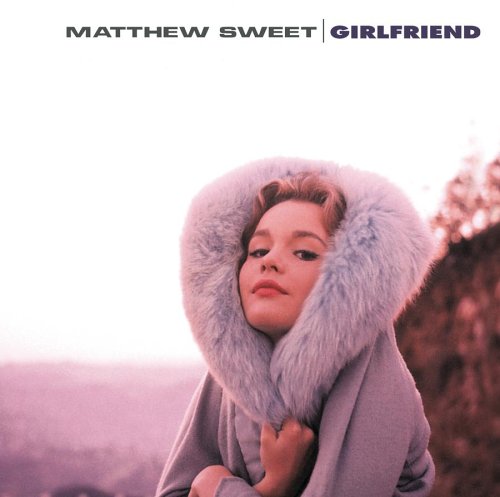
matthew-sweet-1991-girlfriend164. Matthew Sweet – Girlfriend (1991)

To people who grew up on The Beatles, ELO and Cheap Trick, and then had to endure mainstream rock radio throughout the ’80s, Matthew Sweet’s Girlfriend must have felt like a warm hug from mom. Pairing feelings of elation and vulnerability with shimmering power pop riffage and stacked-high vocal harmonies, Sweet’s third album has a timeless quality to it (the song title “Winona” is the only clue that this is from the ’90s). The songs explore the creation and destruction of relationships in universal terms – love makes self-deprecating feelings vanish; somebody falls for a preacher’s daughter; a guy who thought he knew his girl realizes he was wrong. Without getting specific, Sweet turns phrases like knives – “You can’t see how I matter in this world,” he pleads amongst the beautiful wreckage of “You Don’t Love Me.” His kinda nerdy, straightforward tenor makes all of the sentiments feel genuine, those hooks still as fresh and addictive as a long gaze into the eyes of the one you love.

images63. Randy Newman – Bad Love (1999)

After 1988’s Land of Dreams, Randy Newman took a long break from traditional record-making to focus on film music (and his so-so Faust musical). I’d bet the 11 years between Dreams and Bad Love made for the most lucrative period of his career. You might’ve thought that all those Oscar nominations and Pixar paydays would soften the guy, that when he got around to recording another batch of songs, they’d be somewhat pleasant – even, dare I say, optimistic. But Bad Love isn’t just a work of caustic satire typical of Newman’s oeuvre. It’s the bitterest, saddest, most unflinchingly personal work of his career. The songs depict families falling apart in front of televisions, dirty old men cursing at women half their age, native peoples suffering and dying. Which would make for untenable listening if most of this stuff wasn’t also hilarious – especially “The World Isn’t Fair,” an open letter to Karl Marx that finds Newman acknowledging his good fortune by talking about how preposterously undeserving of it he is. Like most self-absorbed people, Randy’s incapable of change here, and we’re all the richer for it.

MercuryRev-DesertersSongs62. Mercury Rev – Deserter’s Songs (1998)

It’s impossible for me to listen to Deserter’s Songs without constantly comparing it to a record that came out a year later – The Soft Bulletin. Mercury Rev’s fourth record shared the same producer as that Flaming Lips masterwork, the brilliant and clearly influential Dave Fridmann. So it’s no coincidence that both records possess the same ambitious, slightly disorienting template, mixing lush, Nelson Riddle arrangements with quirky, contemplative musings, like a band used backing tracks for a Great American Songbook tribute to write songs about spider bites, or moles with telephones for eyes. But while they might be the same type of animal, these records are also different breeds – Deserter’s being one that prowls across much darker emotional territory. As singer Jonathan Donahue spins yarns about nightmares and doomed relationships with an unvarnished Neil Young yodel, Fridmann piles on the woodwinds, strings and saw solos like an old-time Disney composer. It’s a birthday cake with a scotch egg in the center, a walk to the gallows that runs through Martha’s Vineyard, an album with a title drenched in self-imposed loneliness that makes good on it in the most unexpectedly stunning way.

220px-SmashingPumpkins-Gish61. Smashing Pumpkins – Gish (1991)

Gish is one of the most compelling debuts in rock history, and not just because it gives us an unfiltered look at what made Smashing Pumpkins one of the greatest arena-rock bands of the 1990s. It’s that in those very same qualities laid the seeds of the group’s demise. While by far the rawest recording that Billy Corgan has deemed acceptable for our ears, Gish is still marked by a proudly meticulous approach to rock record-making, its guitars layered richly to create walls of sound that envelop you with warmth, even while they strain your speakers to the limit. Of course, once Corgan got on the short list of successors to the Cobain throne and became obsessed with his own brand of stylized melancholy, the speaker straining stayed, and the warmth didn’t. And that just makes songs like “Window Paine” even more of a pleasure to experience in 2013 – a jaw-dropping ballad that features some of the most gorgeously punishing guitar playing of the ’90s. Hopelessly yearning for Corgan to make another record like this someday? That’s a worthwhile kind of melancholy.

Movies From 2012 That I Saw And That I Liked

Yeah, I know, it’s totally 2013 now. I should have shared my favorite movies of 2012 with you weeks ago. But then I saw the cover of the John Travolta and Olivia Newton John Christmas album, after which I was briefly hospitalized. Now that I have my basic motor skills back, I can get to blathering! So here goes nothin’. My top 10 movies of 2012 are:

WETTEST COUNTY  Scene  16

10. Lawless

In 2012, Guy Pearce continued his criminally underappreciated run as one of the most versatile actors working, including a great, wiseass turn in the delightfully ridiculous “save the president’s daughter from space jail” tale Lockout. But it was in this Prohibition gangster flick that he truly shone. As the sadistic and vain Special Deputy Charlie Rakes, Pearce pursues the Bondurant bootlegging operation with a twisted sense of justice, his eyebrowless face and a thick central part in his hair making him look as disquieting as can be. Director John Hillcoat and screenwriter Nick Cave aimed for a similar kind of grim morality with 2005’s very good The Proposition, but Lawless takes it to thrilling new heights – instead of cops and robbers, it’s just a whole bunch of guys with blood on their hands.

Queen of Versailles, Jackie Siegel

9. The Queen of Versailles

If you ever need a reminder of the chasm that separates documentary film from reality TV, take in this stark, uncompromising but ultimately sympathetic tale of Jackie and David Siegel, a billionaire couple whose time share-fueled gravy train dried up after the economic collapse of 2008 – right after they started construction on what was to be the largest, most expensive single-family home in the U.S. It’s the kind of story that seems readymade for a reality series, beaming dump trucks full of schadenfreude into our insecure brains every week. But Lauren Greenfield’s movie captures the stress, sadness and stubborn hope that’s the stuff of actual reality. The Walmart shopping binges, lingering dog turds and humiliated nannies could easily be treated like laugh-and-point moments, but when contrasted with images of David nursing his wounded pride and Jackie innocently trying to come to terms with the upper middle class life that lies ahead, it’s impossible to ignore their humanity.

jamie-foxx-600

8. Django Unchained

Given how prevalent themes of revenge are in Quentin Tarantino’s stories, it was only a matter of time before he gave us his own, uniquely pulpy take on a Spaghetti Western. Django Unchained is just that – a revenge fantasy/love story/buddy action movie set in the antebellum South, where snappy dialogue and cartoonish, exploding-blood-capsule-style violence is grounded in unflinching depictions of the horrors of slavery. Jamie Foxx, Christoph Waltz and Leonardo DiCaprio are all at the peak of their powers – Foxx in the Eastwood role as the titular freed slave, natural sharpshooter and heroic husband, Waltz as a fatherly dentist-turned-bounty hunter, and DiCaprio as a monstrous Francophile plantation owner. The issue of whether slavery should be an off-limits subject for a genre picture like Django is a thorny one for sure, but to me, Tarantino has given us a reminder of the unforgivable sins our country has committed, and we can’t have too many of those. The fact that he weaves it into a dynamic, darkly funny, exceptionally entertaining midnight movie? What more would you expect from Hollywood’s own “little troublemaker”?

LooperWatch

7. Looper

Time travel will always be a touchstone of science fiction, because more than anything, time makes us its bitch. But in Looper, writer and director Rian Johnson attempts to depict what might actually happen if time travel was invented. Like the war on drugs, it becomes a highly illegal practice appropriated by a criminal underworld, who send people back in time to be killed by “loopers” – men who end their careers by “closing their loop,” a.k.a. killing their older selves. The first half of the movie is spent patiently building this intricate mythology, while introducing us to Joe, the brooding looper junkie played by Joseph Gordon-Levitt. But once Bruce Willis appears as Joe’s future self, Looper becomes much more than your typical sci-fi shoot-em-up. The third act moves the action from Johnson’s slums-o’-the-future to a farm house, and what happens there is a poetic exploration of the nature of evil, the consequences of our mistakes, and the immeasurable impact of the things we do right.

turnmeon

6. Turn Me On, Dammit!

As heartwarming as it is frank, this Norwegian film explores the awkward lows and joyful highs of teenaged sexual awakening, through the prism of its main character Alma – played with believable angst by Helene Burgsholm. As Alma goes through the confusing process of growing up, she gains and loses friends, has innocent fantasies run aground by weirder, far more interesting realities, runs away from home, and bewilders her single mother until, eventually, their bond deepens. There’s no punishment or reward for Alma, no real danger or grand romance. Turn Me On, Dammit! is just trying to show how it feels to be a 15-year-old girl in a backwoods town, being picked on at school and getting caught calling phone sex lines at home. To see this kind of story told with such positivity is as refreshing as Scandinavian mountain air.

hobbit_a

5. The Hobbit: An Unexpected Journey

I understand why Peter Jackson’s new Tolkien trilogy is called The Hobbit. But it would be more accurate to call it Middle Earth. Because while the basic plot follows that timeless children’s adventure story in all the important ways, Jackson’s first installment makes it clear that he wants to tell a grander tale, one that looks at Tolkien’s singular universe with the eye of a storyteller and historian. Hence, on top of the piles of breathtaking whiz-bang, and the skilled characterizations of Bilbo Baggins, Gandalf, and Gollum, we get to explore the tragic, pseudo-Biblical backstory of the dwarves of Erebor, see the seeds being planted for the return of Sauron (aka The Necromancer), and meet Radagast the Brown, a birdshit-covered Jane Goodall of the Hedgehogs. Many have accused this detailed approach of being nothing more than a shameless money grab. But in the eyes of this Tolkien nut, The Hobbit is as much, if not more, a labor of love than the Lord of the Rings movies (which I kinda liked a little). The fact that hours upon hours of lovingly adapted Tolkien texts can be seen as something remotely capitalistic is a credit to Jackson’s ability to film the “unfilmable.”

Tim-and-Erics-Billion-Dollar-Movie-2012-comedy-film-Tim-Heidecker-and-Eric-Wareheim-film-version-of-Tim-and-Eric-Awesome-Show-Great-Job

4. Tim and Eric’s Billion Dollar Movie

On their weirdly endearing cut-and-paste cartoon Tom Goes to the Mayor, and the subsequent public access acid trip theater of Tim and Eric Awesome Show Great Job! and Check It Out! With Dr. Steve Brule, Tim Heidecker and Eric Wareheim proved themselves to be masters of disturbingly hilarious short-form comedy. Which made the potential pitfall of their Billion Dollar Movie an obvious one – would their shenanigans translate to the longer, more plot-driven confines of feature film? Well obviously, I think that they did. Billion Dollar Movie is a delightfully anarchic middle finger to mainstream comedies, taking one of their most common plot lines – protagonist must save struggling school/restaurant/shopping mall, hilarity ensues – and using it as a backdrop on which to project their obsessions with local TV commercials, father-son dynamics and diarrhea. Fantastic supporting turns from John C. Reilly, Will Forte and Zach Galifianakis are just cherries on top.

the_cabin_in_the_woods_2

3. The Cabin In The Woods

When I first saw Scream, Wes Craven’s snappy 1996 satire of slasher movies, I enjoyed how it made fun of me and respected me at the same time. But after seeing The Cabin In The Woods, Joss Whedon’s writing credit from 2012 that wasn’t The Avengers, I felt more than entertained. As a self-aware horror fan, this movie felt like a new stage of enlightenment. Director/co-writer Drew Goddard and Whedon make the same broad point as Scream that slasher scripts tend to be like Mad Libs; just change out the location/monster/method of death and presto, you’ve got a different movie – but they do it with an initially baffling, and eventually mindblowing, top-secret government surveillance subplot. What at first looks like just another bunch of dopey teenagers venturing out to be killed in the woods becomes a psychological study of humanity that connects the popularity of horror movies to that of ancient pagan rituals, while taking the time to make an even more salient point – if you’re ever in a bind, trust the stoner, not the hunk.

moonrise-kingdom-05

2. Moonrise Kingdom

It’s no accident that Moonrise Kingdom is set on an island. Its main characters, Sam Shakusky and Suzy Bishop, are kids who don’t feel connected to their surroundings, be it a foster home that looks like an Army barracks or a family that’s quietly fraying around the edges. Wes Anderson’s seventh film is the story of them finding each other, the bliss they feel at finally being understood, and the hilariously low-stakes havoc that their meticulously planned elopement causes. In case your twee-dar is starting to go off, never fear, because Anderson realizes Sam and Suzy’s puppy love in an achingly sweet, thoroughly realistic way, contrasting it all the while by the loneliness of the goofy adults who form the search party (including Bill Murray, Frances McDormand, Ed Norton and Bruce Willis, who are all wonderful). Shot in the gorgeous detail that is Anderson’s stock in trade, Moonrise Kingdom posits that while you might feel like an island from time to time, you never know who might be canoeing your way.

the-master_image_1

1. The Master

People are attracted to things that purport to define their personality, be it the signs of the zodiac or a quiz that tells you what Saved By the Bell character you are. But in the pivotal scene of The Master, Paul Thomas Anderson’s relentless study of the underbelly of belief, this desire for enlightenment about ourselves is abused in the name of ego and profit. In it, Lancaster Dodd (Philip Seymour Hoffman), an L.Ron Hubbard-ish leader of a philosophical movement called “The Cause,” convinces Freddie Quell (Joaquin Phoenix), a volatile WWII vet, to partake in something called “Processing” – a series of quick, probing questions, in which the subject is not allowed to blink. In the performance of the year, Phoenix shows us a deeply disturbed, utterly lonely man who is intoxicated by Dodd’s attentions, through his facial expressions alone. The title of the movie most obviously refers to Dodd, but by the end, it more poignantly applies to Quell – a twisted man who lost everything we see as respectable, except for his free will.

Honorable Mentions: Bernie, The Dark Knight Rises, The Expendables 2, Lincoln, Lockout, Men In Black 3Prometheus

The Top 20 Tracks of 2012

cat listening to music-thumb-238x317-369715

I listened to enough songs this year to choke a horse. And while digging through the bloated horse corpse that I like to call 2012, I found 20 of them that I especially liked.

20. Kanye West (Ft. DJ Khaled) – “Cold”

Over computer blips and orchestra hits, ‘Ye infuses his verses with that on-the-verge-of-a-nervous-breakdown passion we know and love, including a PETA-baiting line on the chorus that’s one for the ages.

19. Psy – “Gangnam Style”

There’s a moment in “Gangnam Style” where the music cuts out, and for just a second, Psy waits before delivering the chorus. The anticipation we all feel right then, in spite of ourselves? That explains how pop music can take over the world.

18. The Beach Boys – “Summer’s Gone”

Mike Love has done more than enough to deserve the claim of “the biggest asshole in rock history.” But there could be a silver lining to his latest dick move, because if the Beach Boys never record together again, their final musical statement will be this gorgeous, mortality-laden track. “Summer’s gone/It’s finally sinking in,” Brian Wilson croons over a sea of swooning strings, echoey woodblocks, and artfully stacked harmonies – taking our breath away one last time before the leaves turn.

17. Japandroids – “The House That Heaven Built”

Japandroids pull off quite a trick here, putting inspirational poster sentiments and stadium-ready riffage in a blender, and churning out a fist-pumping rock anthem for the downtrodden. No guitar could be loud enough to drown out its big, bloody, beating heart.

16. Dirty Projectors – “Impregnable Question”

The newly found, homespun sweetness of Dirty Projectors latest work is summed up in this chorus: “I need you/And you’re always on my mind.”

15. Ty Segall – “There Is No Tomorrow”

After a year spent pounding our eardrums like Tiny Keith Moon™, Ty Segall closed out his last of three records with this, a supremely catchy fuzzbox ballad that could be a lost Plastic Ono Band demo.

14. Frank Ocean – “Forrest Gump”

Over a smooth, Isley Brothers groove, Frank Ocean took a piece of pop culture I revile and transformed it into one of the sweetest romantic sentiments of the year: “You running on my mind, boy.”

13. Killer Mike – “Southern Fried”

The ultimate song to drive to in 2012, “Southern Fried” is quintessential Killer Mike, full of towering swagger, scythe-sharp wit, and a flow so commanding, it makes you feel like your 2005 Honda Civic is indeed your “meanest machine.”

12. Bob Dylan – “Soon After Midnight”

“I’m searching for phrases/To sing your praises.” How great is it that this, the most romantic opening line I heard this year, came from a grizzled old goat like Bob Dylan? And it doesn’t hurt that what follows is a total stunner of a country & western ballad, one of the prettiest tunes of the legend’s third act renaissance.

11. Angel Haze – “Werkin’ Girls”

With little more than a basic beat behind her, this brilliant, up-and-coming Brooklynite makes you stop whatever you’re doing and pay attention. An ode to females gettin’ cheddar, “Werkin’ Girls” doesn’t just break the glass ceiling – it crushes it back down to the sand from whence it came.

10. Usher – “Twisted”

Over a Pharrell Williams beat that radiates classic soul sunshine, Usher reboots Chubby Checker in the guise of a possessive man whose woman just refuses to play it straight. A summer jam if there ever was one.

9. Tenacious D – “Roadie”

Mythologizing the concert roadie as the heroic warrior who never gets knighted, The D pairs skillfully melodramatic wordplay with soaring melodies. In between belly laughs, there lies the urge to sing along as loudly as can be.

8. Trey Songz – “2 Reasons”

I’m just finishing up David McCullough’s massive 1992 biography of Harry Truman, a plain-spoken man who had to fill the shoes of the far more eloquent FDR. I think that if Truman were alive today, he’d enjoy “2 Reasons,” at least on principle. Because when Trey Songz outlines, in no uncertain terms, the pair of reasons why he came to the club, he’s as straightforward as a Missouri farmer.

7. Nicki Minaj – “I Am Your Leader”

It’s too bad that Nicki Minaj albums remain nothing more than places to corral her singles, but damn, there’s nothing quite like those singles. “I Am Your Leader” was the best of several good ones this year, awash in Minaj’s masterful mic control and silly sense of humor, an example of the artist at her unpolished best. And Cam’ron’s hysterical cameo gets my vote for best guest verse of 2012.

6. Randy Newman – “I’m Dreaming”

No matter how many Pixar movies he scores, Randy Newman will always be one bitter son of a bitch. And “I’m Dreaming” – a piece of right-wing election year satire just begging to be misunderstood, a la 2004’s “A Few Words in Defense of Our Country” – is as beautifully, caustically sarcastic as the guy has ever been.

5. Screaming Females – “Doom 84”

Very few guitar riffs can sound fresh after seven minutes of jamming. “Doom 84” has two of them, and Marissa Paternoster wields them like fiery broadswords, breaking down our natural inclination to refrain from banging our heads, caring not that our necks will be sore.

4. Mystikal – “Hit Me”

James Brown’s influence on hip hop can’t be overstated. But it’s never been so apparent as it is in this song, in which Mystikal appropriates Brown’s energy, rhythms and vernacular in pursuit of his own, Dirty South-ified version of “Star Time.” It’s an instant party, a blast of adrenaline, and a showcase for the emcee’s irresistible, raspy exuberance.

3. Frank Ocean – “Bad Religion”

A soul-searching confession, a tale not only of unrequited love, but of potentially unrequited moral fiber, “Bad Religion” is a jaw dropper. Ocean sings his open vein of a lyric sheet with a power that only comes from autobiography, that one squealed high note a window to his vulnerability. Art rarely gets this real.

2. Kendrick Lamar – “Sing About Me, I’m Dying Of Thirst”

My grandfather passed away a few months ago, right around the time Kendrick Lamar’s Good Kid, M.A.A.D. City album was released. Which left me in a state of mind to be floored by this song, a 12-minute existential epic about how human beings long to be remembered after they’re gone. They say that once you put something on the Internet, you can never truly erase it, so maybe these words about Thomas M. Sweeney, Sr., will indeed live forever: He was a good, humble man, who worked hard, loved his wife, and never had a negative thing to say to me. I miss him.

1. Miguel – “Adorn”

As devastatingly sexy a pop song as its clear influence, “Sexual Healing,” “Adorn” swoons in lady worship, Miguel’s voice gliding over the synths and drum machines, confident in its innate silkiness, like something beautiful that just happens naturally. Like love.

The Top 20 Albums of 2012

Beyond being the year that Randy Newman was inducted into the Rock and Roll Hall of Fame, 2012 was a hell of a good year for music. But what year isn’t, honestly? Oh yeah. 2002. Screw you, 2002.

front20. Action Bronson – Blue Chips

If Mario Batali could spit like Ghostface Killah (and was obsessed with hookers), you’d have the makings of Blue Chips, Action Bronson’s grimy, propulsive, breakthrough mixtape. Weaving through flurries of beats like the nimblest of driving range employees – often within the space of one track – this former chef paints disparate pictures of high-end gastronomy and sordid city streets. But whether he’s talking about drizzling vinaigrette on rosemary bread or a prostitute pissing in a fountain, Bronson does it with imagination, his flow loose and in the pocket, his nasal voice touched with post-bong-hit grit.

Santigold_-_Master_of_My_Make-Believe19. Santigold – Master Of My Make-Believe

If you had trouble distinguishing Santigold from M.I.A. before Master Of My Make-Believe, then you were in for a heap of trouble. Because while in the grand scheme of things, the album finds Santigold evolving the ska-tronica sound of her pre-copyright-lawsuit debut Santogold in intriguing new ways, it does sound a hell of a lot like that other funky lady. Full of stuttering rhythms, compressed electronic grooves, and lotsa shit talk, MOMMB toes the same fault lines that Maya did – between dance music and hip hop, punk and pop, bliss and rebellion. All of this is a good thing in my book, because Santigold does this whole swagger thing so well, whether it’s over the ominous kabuki funk of “Go!” or the murky dub of “Pirates in the Water.” The fact that we have two artists exploring this twisted pop terrain? To me, that’s something to celebrate.

Rize_of_the_Fenix18. Tenacious D – Rize Of The Fenix

All the backstory you need for Tenacious D’s first non-soundtrack album since 2001 lies in its opening, self-titled song. In which the f-bomb-toting classic rock satirists mourn their failed movie (Tenacious D And The Pick Of Destiny, which was a disappointment, yes), ponder the excruciating tattoo removals their fans must be suffering through, and eventually decide that a hit song could get them back on top. And while Jack Black and Kyle Gass didn’t achieve that elusive “one hit” on Rize Of The Fenixthey proved that they still got it on both levels – comedically, as a pair of melodramatic doofuses who love making fun of rock almost as much as rock itself; and musically, as two strong vocalists who write hard rock sing-alongs with the best of ’em, and get dudes like Dave Grohl to propel them heavenward. Fenix isn’t as generous as that 2001 debut, faltering on all of its skits and a song about the Death Star. But it’s got several of the best rock songs of 2012, especially the hilariously earnest “Roadie” – where else can you get chills while hearing someone sing, “I don’t want you roadie/I want KG’s chode!”

Nas_-_Life_is_Good17. Nas – Life Is Good

When something negative happens to an artist we love, and it results in them making some of the best music they’ve put out in years, it usually puts us in an awkward place. Are we thankful for that near death experience/loss of a loved one/messy break-up? Would we gladly have our heroes miserable so long as they keep delivering the goods? But when listening to Life Is Good, 2012’s prime example of career rejuvenation born from sadness, that conflict isn’t there. On top of featuring Nas’ most focused performance in years, one that gives us a unfiltered look into his state of mind after his divorce from Kelis, the artist’s 11th album leaves us feeling nourished instead of hopeless, its title a celebration of honesty over irony. Over one warm, immaculate beat after another (especially those provided by No I.D.), Nas wonders how good of a father he’s been, waxes nostalgic about his childhood in Queens, admits he’s been rich longer than he was poor, and directly addresses his ex-wife in verses full of regret, respect, and love. It’s tempting to call this the Blood On the Tracks of rap, but it’s really a much different animal – a work that respects the past no matter how tumultuous it might’ve been, foregoing bitterness in favor of a battle-scarred kind of hope.

Sleigh_Bells_-_Reign_of_Terror_cover16. Sleigh Bells – Reign Of Terror

It’s rare for an album cover to give you a precise idea of what the music inside might sound like, but that’s exactly what a bloody pair of Keds does on the front of Reign of Terror, a record full of simple sentiments delivered in punishingly loud ways. Sleigh Bells doesn’t reinvent the formula of its 2010 debut, Treats – huge-ass drum machine beats, Derek Miller’s huger-ass stadium riffs, Alexis Krauss’ cooing vocals – but it does buff the edges a bit in the name of atmosphere. The chorus of “Born to Lose” might deliver bass drum hits with an AK-47, but it’s part of a carefully constructed assault of sounds that support Krauss’ suicide-baiting vocals. Whereas Treats could sound like two people battling over the volume dial, its follow-up is more cohesive – with hooks as sticky as these, and sentiments as endearingly straightforward (e.g. “I’ve got a crush on you”), Reign of Terror stays in your head, even after your ears have stopped ringing.

Swing_Lo_Magellan15. Dirty Projectors – Swing Lo Magellan

With 2009’s Bitte Orca, Dirty Projectors became indie darlings, thanks to a mix of angular riffs, wonky vocals and one especially lovely, Nico-biting ballad. But originality isn’t a synonym for quality, and as time passes and its sheen wears off, Bitte Orca’s flights of fancy tend to grate just a bit. But I doubt the same will be said of Swing Lo Magellan. Scaling back the dynamics and acrobatics of its predecessor, Dave Longstreth is in greater command of his talent here, building quieter, more pastoral templates to house his Geddy Lee-ish tenor. But this isn’t a McCartney/Ram kinda deal. Whether it’s a swirling pastiche of string plucks and drum machines or an out-of-leftfield horn section, Magellan is a rich, imaginative affair. It just doesn’t feel the need to declare itself in bold strokes. And thank god for it. Because while Dirty Projectors is far from done experimenting, it proves here that sometimes, a calculated move to the center can be revolutionary.

TySegallBandSlaughterhouse14. Ty Segall Band – Slaughterhouse

There’s an art to fucking shit up. To making such an unholy racket that a portion of the population wouldn’t even classify it as music. In 2012, nobody perfected this art like Ty Segall. Slaughterhouse, the California dynamo’s second of three albums released this year (yes, you read that right), is the most off the rails of the lot, a seething onslaught of haymaker riffage, squalls of feedback and often-unintelligible screams. And thanks to Segall’s songwriting chops, weakness for British Invasion melodies, and palpable, youthful energy, it’s a freshly culled test tube of undiluted adrenaline unlike anything else I heard this year – except for those other Segall records, of course (see below). If for no other reason, the album matters because it reminds us that few things get the blood pumping like a talented artist beating the hell out of his instruments and vocal chords. You could call it the art of fucking shit up. Or you could just call it rock.

Bob_Dylan_-_Tempest13. Bob Dylan – Tempest

When Bob Dylan visited Woody Guthrie in the hospital, the latter was in his early 50s, and rapidly deteriorating from Huntington’s disease. Now that Dylan is 71 and still releasing music as textured, immediate and Americana-laden as Tempest, his debt to Guthrie is as clear as ever, and his presence as a going concern a rare gift to all of us. If we’d lost him after Time Out of Mind, one of the most brilliant ruminations on age and sickness in rock history, we’d consider ourselves lucky. Yet here he is, 15 years later, laying down haunted blues grooves and crystalline country love songs, singing about trains and the Titanic and John Lennon with wit and mystery. Roll on, Bob.

Miguel-Kaleidoscope_Dream12. Miguel – Kaleidoscope Dream

Anytime an R&B artist releases a single that sounds like Marvin Gaye, or an album that isn’t heavily influenced by hip hop, it’s hard not to just pigeonhole them as throwbacks, slap a tag like “neo-soul” on them, and call it a day. Miguel does both of these things on his second album, Kaleidoscope Dream, but if anything, he’s looking to the future. Over production that nods to the dark, narcotic atmospheres of The Weeknd and the warmer instrumentation of Erykah Badu’s Amerykah albums, the singer delivers wry plays on words, romantic come-ons and spiritual rallying cries with creativity and conviction. Yes, his gorgeous single “Adorn” is indebted to “Sexual Healing,” but Miguel is reminiscent of Gaye on a deeper level here. Like the legend, he never sounds like he’s trying too hard; his lithe performance goes light on trills, sounding just as comfortable, believable and sexual no matter the context. Which makes Kaleidoscope Dream an album for contemplation, babymaking, and partying, depending on your mood.

Screaming_Female's_Ugly_album_cover11. Screaming Females – Ugly

With a remake of Total Recall, the reunion of Soundgarden and [insert questionable decision here] happening in 2012, it can’t be denied that 1990s nostalgia is something we’ll all have to deal with for a while. And instead of going down retread lane, I suggest listening to Screaming Females’ fifth album. Ugly is a molten-hot shitkicker of a rock record that hearkens back to Smashing Pumpkins’ Gish and Sleater-Kinney’s Dig Me Out, with walls of guitars thicker than a bank safe and vocals that tremble and snarl. (The fact that Marissa Paternoster is solely responsible for said vocals and guitars is a testament to her genius.) But Ugly is much more than some rock and roll time capsule; after delivering one indelible riff after another, and treating us to late-record masterpieces like the epochal “Doom 84,” Screaming Females distinguishes itself as one of the gutsiest bands of the here and now.

homepage_large.60b385d010. Matthew E. White – Big Inner

After reading about Matthew E. White’s borderline-insane obsession with Randy Newman (he tracked him down at home so he could personally hand him demos), I had to hear his debut album, sure it couldn’t live up to the high standards set by my own Newman fanaticism. But impressively, Big Inner did that and more – this is a gentle, intoxicating bear hug of an album, one that pairs richly layered, Newman-esque arrangements with White’s deep, casual vocal stylings, on songs about drinking hot toddies, not having to rush love, and the friend we have in Jesus. Jumping from tender meditations to stone-cold soul grooves, while never making you feel like you have to move from your spot by the fireplace, White is something much more than a guy with great influences. He’s got a sound and a vision all his own, one that could inspire a whole new generation of hero worship.

kendrick-lamar-good-kid-maad-city-cover9. Kendrick Lamar – good kid, m.A.A.d city
On the first single of his major label debut, Kendrick Lamar raps about being alone in his childhood bedroom, nursing a shot and dreaming of adoring fans. One voice in his head tells him that he should dive in a swimming pool full of liquor. Another says that he’s noxious and on the wrong path. It’s a compelling, heartbreaking metaphysical struggle, and only one kind of conflict that arises on good kid, m.A.A.d city, the rapper’s concept album about growing up with all the cards stacked against you. He falls in love, gives in to peer pressure, almost gets arrested and watches his friend commit murder, all while ignoring the voicemails from his mother (who isn’t worried about him, she just wants the car so she can leave the house). Words spill from Lamar’s mouth in a flow that’s second nature; every time he spits 16, it sounds like he could go for 160. Which makes his incisive personal and sociological observations all the more powerful, woven through laid-back loops that belie his Compton roots.

LeonardCohenOldIdeas8. Leonard Cohen – Old Ideas

With both this album and Tempest making my list, I guess my secret is out – I’ve got a thing for grizzled septuagenarians. When they complain about the cold, it makes me so, so hot … Anyways, where was I? Oh yeah. Old Ideas is really good. Even though Leonard Cohen’s resurgence on the road and in the studio has more to do with money than the need to create, the 78-year-old is still the best in the game when it comes to writing songs about religion from the perspective of a sinner. “Amen” is an elegant, seven-minute blasphemy shuffle that we can now turn to for solace after hearing the 11 billionth “Hallelujah” cover. And “Show Me the Place” casts Jesus as a slave to his father, humanizing him more than any Christmas pageant ever could. Couple this caliber of writing with producer Ed Sanders’ subtle country & western touches and some solemn female backup singers, and you’ve got Cohen’s best work in 20 years.

Chromatics_-_Kill_for_Love7. Chromatics – Kill For Love

It’s easy to think of the 1980s as a wasteland of synthesizers and gated reverb. But it was also a time period where those elements were used to create beautiful, otherworldly sonic experiences, supporting organic instruments instead of merely replacing them. And it’s these kinds of arrangements that Chromatics simply nail on Kill For Love. This is a band that understands the potential of synths to create expansive frameworks, making listeners feel like they’re in a sonic Monument Valley, horizons all around. Taking cures from The Cure’s artful melancholy and Everything But the Girl’s introspective techno, Kill For Love is generous when building these landscapes. The eight-minute opus “These Streets Will Never Look the Same” takes a subdued “Eye of the Tiger” loop and transforms it into a breathtaking alternate universe, narrated by an Auto-Tune skewed voice repeating the line “The screen stayed flashing in my mind.” Full of shameless melodrama and cinematic production (it comes as no surprise that band member Johnny Jewel had a hand in two songs on the Drive soundtrack), Kill For Love is stuck in an ’80s haze. May their DeLorean never work again.

6. Rick Ross – Rich Forever (2012)

With details about Mitt Romney’s Swiss bank accounts clogging the news cycle, 2012 seemed like a bad time for Rick Ross to drop a mixtape that told us how great it is to have a fuckton of dough. But while practically every track on Rich Forever is concerned with materialistic one-upsmanship (in bed, Ross must count Benzes and Bugattis instead of sheep), it’s redundant in all the right ways, developing Ross’s drug kingpin character into something delightfully cartoonish, and featuring an unbelievable string of monster beats and instant-classic choruses that made me recalibrate my expectations of a mixtape. While Rich Forever is loaded with guests – most notably an in-top-form Nas on the standout “Triple Beam Dreams” – Ross is never outshone, painting ridiculous Robin Leach panoramas with irresistible panache, coming up with another dozen brilliant ways to say he’s rich on every cut (my current favorite: “Gotta run your credit just to bring my name up”). His steady baritone is the only thing about Rich Forever that follows a less-is-more aesthetic, providing a perfect counterpoint to all the tremendous, towering beats.

Jack_White_Blunderbuss_cover5. Jack White – Blunderbuss

I love that Jack White is a rock star. There’s just something beautiful about a mild-mannered guy who looks like an Edward Scissorhands stunt double making music that hipsters can listen to with their parents. And what finely crafted music it is. Blunderbuss is far from his first non-White Stripes album, but it is his first solo album, and a hell of a good argument against him ever forming another side project. Sounding more vibrant, organic and fully formed than anything since Icky Thump, the album hits a variety of Americana sweet spots, from the slinky soul of “Love Interruption” to the airy country of the title track and a seriously swinging cover of Little Willie John’s “i’m Shakin’.” Plus, White’s uncanny ability to turn mundane dude problems into poetry remains as sharp as ever. “Smile on her face/She does what she damn well please,” he bemoans on “Freedom At 21,” admitting defeat, yet sounding just a little bit like he enjoys it. It’s theater for sure, but like any rock star worth his salt, Jack White still has me believing every word.

fantasea-azealia-banks_3204. Azealia Banks – Fantasea

I am a big Nicki Minaj fan. But I can’t help but wish my first exposure to her wasn’t Pink Friday, but one of the world-beating mixtapes that put her on the map. Her official releases are packed with great singles, but their reliance on chart-baiting dance-pop minimizes her talents. Lucky for me, I can take solace that I’m with Azealia Banks at the ground floor, before she inevitably rockets into the hip hop stratosphere. Comparisons to Minaj on her debut mixtape Fantasea are inevitable, what with her rapid-fire flow, cocksure attitude and club-ready beats. But the differences are crucial – there’s nothing cartoonish about Banks; she’s not one to scream for attention, and her music follows suit. Fantasea is 19 tracks of quick-pulsed, subterranean dance music, with very few hooks to be found. Banks is the hook here, her brilliantly syncopated rhymes proving that the human voice can be the ultimate percussion instrument.

homepage_large.755e37bd3. Ty Segall – Twins

Ty Segall’s second entry on this list came out after he’d already blown our minds with Slaughterhouse, not to mention Hair, his album with White Fence. Twins is certainly proof of a prolific artist at work, somebody whose writing and recording processes must be as intense and immediate as the high-octane garage rock that is his stock in trade. And amazingly, it’s the best of the three. I mentioned Segall’s affinity for British Invasion melodies above, and he lets them shine through more than ever before on Twins, which, when coupled with his Lennon-esque tenor, inspires visions of The Beatles honing their chops in the dive clubs of Munich. Where Slaughterhouse took its name to heart in its sonic approach, Twins isn’t out to bludgeon, keeping its hooks relatively pristine, whether they’re part of the hyperactive hard rock of “You’re the Doctor” or the incredibly catchy ballad that closes the album, “There Is No Tomorrow.” If this kid finally takes a break, it’s safe to say he deserves it.

Vets_large2. Killer Mike – R.A.P. Music

On his sixth album, Killer Mike makes it absolutely clear that he thinks real rap music is “the opposite of bullshit.” So by his own definition, R.A.P. Music is as real as it gets, a masterpiece of the form from a true gangsta scholar who never sounds like he’s full of it – whether he’s threatening Atlanta tourists, proselytizing about his art form, or dancing on Ronald Reagan’s grave. Unless by “it,” you mean a booming voice, mastery of language, political incisiveness, and an exhilarating sense of swagger. Nobody on earth can give a middle finger to the man like Killer Mike, and here he delivers them like a man possessed, slaying every hard, thumping beat that’s thrown his way, making you feel bad for every guest rapper, and damn good to be alive.

Channel_ORANGE1. Frank Ocean – channel ORANGE

After a long night reviewing at show at Darien Lake this past summer, I decided to take the back roads home. Once I escaped the hell that is that parking lot and entered the wooded regions of Route 62, I put on Frank Ocean’s channel ORANGE for the first time. As the highway wound through farm country with open skies above, I was swept away by the starry-eyed romantic plea of “Thinking About You.” Then I reached the outer ring of suburbs, while being treated to  a pair of brilliant deconstructions of rich people problems – the breezy, Stevie Wonder-ish “Sweet Life” and the “Bennie And The Jets”-biting “Super Rich Kids.” As Buffalo’s troubled East Side neighborhoods loomed, the golden age hip hop beat of “Crack Rock” provided a spoonful of sugar for a frank take on what happens to addicts. And as I got closer to home, where my wife was waiting up for me, I heard the slinky Isley Brothers lick of “Forrest Gump,” and reveled in how she was running through my mind.

Homorable mentions (in alphabetical order): The Beach Boys – That’s Why God Made The Radio; Beach House – Bloom; Himanshu – Nehru Jackets; Japandroids – Celebration Rock; Nicki Minaj – Pink Friday: Roman Reloaded; Various Artists – Kanye West Presents Good Music: Cruel Summer