What’s In My Discman, March 2013

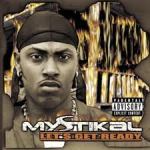
Let's Get ReadyMystikal – Let’s Get Ready (2000)

It’s amazing what context can do to a listening experience. For a dozen years or so, I’d always thought of Mystikal as a flash-in-the-pan MC who rode a legendary Neptunes beat to fame, his voice a grating, angry growl tailored to please a DMX-infused marketplace. But then I heard “Hit Me,” a leaked single from his forthcoming record that makes a serious argument that Mystikal is carrying the torch of James Brown with more wit, energy and raw ability than any artist around. My expectations thusly altered, and my ears hungry for whatever Mystikal I could get my hands on, I picked up Let’s Get Ready, his breakout 2000 release. And while no cut on here can touch “Hit Me,” it is an insane adrenaline rush from beginning to end, that voice I once saw as an annoyance making me feel I could punch my fist through a brick wall, the beats blunt and dirty, as relentless as a hurricane. Mystikal’s new album is apparently called Original, and it’s slated to come out in June. Until then, Let’s Get Ready will keep my heart pounding just fine.

ArethaAretha Franklin – 30 Greatest Hits (1985)

I recently had the honor of interviewing Aretha Franklin in advance of her show at a local casino (which I also reviewed), and in the name of psyching myself up and keeping the butterflies at bay, I spent the week beforehand listening to her 30 Greatest Hits in my car. It’s still the best collection of its kind, zeroing in on Aretha’s classic Atlantic years with no glaring omissions. Of course, it’s tough to screw it up when you’re talking about one of the most prolific and evergreen periods of any artist, ever. When “Respect” strutted its way onto my speakers, it sounded as fresh and imaginative as the first time I heard it – no matter how many commercials or Bridget Jones movies try to rob it of its essence, “Respect” will never gray. It’s the ultimate unkillable pop song and a gender role gamechanger to boot. Then there’s the knee-buckling pleas of “Ain’t No Way,” the swooning romance of “I Say A Little Prayer,” the slow-building gospel reverie of “Spirit In the Dark” … I won’t mention all 30. If you haven’t heard this stuff, I’d suggest stopping everything in order to fix that problem.

Jim JamesJim James – Regions of Light and Sound of God (2013)

At one point in “A New Life,” the most immediately beautiful tune on Jim James’ proper solo debut, the moonlighting My Morning Jacket frontman delivers the line “There’s more stardust when you’re near” with NPR-ready elocution, painstakingly pronouncing the “t” in “stardust.” It’s not your typical rock singer diction to be sure, the sound of a man who isn’t writing pretty lyrics to sound cute or sensitive – he believes in this stuff, with evangelical fervor. The album title gives you a good idea of the ground James is covering here – a cosmic theology of love, forgiveness and the passage of time that’s certainly headier (and a bit flakier) than My Morning Jacket’s last few records. Musically, it has the homespun feel of a solo record, be it one with the occasional crackling vibraphone sample, huge Eastern melody, and sweeping string arrangement. Then there’s James’ Neil Young/choirboy voice, still as expansive and expressive as ever, making the clunkiest passages feel like mantras. Regions feels a bit less substantive than it wants to be, but it’s still more intriguing than anything James has been a part of since Z, the last time his music was pointed heavenward.

The Top 20 Albums of 2012

Beyond being the year that Randy Newman was inducted into the Rock and Roll Hall of Fame, 2012 was a hell of a good year for music. But what year isn’t, honestly? Oh yeah. 2002. Screw you, 2002.

front20. Action Bronson – Blue Chips

If Mario Batali could spit like Ghostface Killah (and was obsessed with hookers), you’d have the makings of Blue Chips, Action Bronson’s grimy, propulsive, breakthrough mixtape. Weaving through flurries of beats like the nimblest of driving range employees – often within the space of one track – this former chef paints disparate pictures of high-end gastronomy and sordid city streets. But whether he’s talking about drizzling vinaigrette on rosemary bread or a prostitute pissing in a fountain, Bronson does it with imagination, his flow loose and in the pocket, his nasal voice touched with post-bong-hit grit.

Santigold_-_Master_of_My_Make-Believe19. Santigold – Master Of My Make-Believe

If you had trouble distinguishing Santigold from M.I.A. before Master Of My Make-Believe, then you were in for a heap of trouble. Because while in the grand scheme of things, the album finds Santigold evolving the ska-tronica sound of her pre-copyright-lawsuit debut Santogold in intriguing new ways, it does sound a hell of a lot like that other funky lady. Full of stuttering rhythms, compressed electronic grooves, and lotsa shit talk, MOMMB toes the same fault lines that Maya did – between dance music and hip hop, punk and pop, bliss and rebellion. All of this is a good thing in my book, because Santigold does this whole swagger thing so well, whether it’s over the ominous kabuki funk of “Go!” or the murky dub of “Pirates in the Water.” The fact that we have two artists exploring this twisted pop terrain? To me, that’s something to celebrate.

Rize_of_the_Fenix18. Tenacious D – Rize Of The Fenix

All the backstory you need for Tenacious D’s first non-soundtrack album since 2001 lies in its opening, self-titled song. In which the f-bomb-toting classic rock satirists mourn their failed movie (Tenacious D And The Pick Of Destiny, which was a disappointment, yes), ponder the excruciating tattoo removals their fans must be suffering through, and eventually decide that a hit song could get them back on top. And while Jack Black and Kyle Gass didn’t achieve that elusive “one hit” on Rize Of The Fenixthey proved that they still got it on both levels – comedically, as a pair of melodramatic doofuses who love making fun of rock almost as much as rock itself; and musically, as two strong vocalists who write hard rock sing-alongs with the best of ’em, and get dudes like Dave Grohl to propel them heavenward. Fenix isn’t as generous as that 2001 debut, faltering on all of its skits and a song about the Death Star. But it’s got several of the best rock songs of 2012, especially the hilariously earnest “Roadie” – where else can you get chills while hearing someone sing, “I don’t want you roadie/I want KG’s chode!”
Nas_-_Life_is_Good17. Nas – Life Is Good

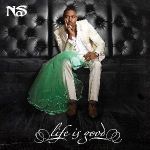
When something negative happens to an artist we love, and it results in them making some of the best music they’ve put out in years, it usually puts us in an awkward place. Are we thankful for that near death experience/loss of a loved one/messy break-up? Would we gladly have our heroes miserable so long as they keep delivering the goods? But when listening to Life Is Good, 2012’s prime example of career rejuvenation born from sadness, that conflict isn’t there. On top of featuring Nas’ most focused performance in years, one that gives us a unfiltered look into his state of mind after his divorce from Kelis, the artist’s 11th album leaves us feeling nourished instead of hopeless, its title a celebration of honesty over irony. Over one warm, immaculate beat after another (especially those provided by No I.D.), Nas wonders how good of a father he’s been, waxes nostalgic about his childhood in Queens, admits he’s been rich longer than he was poor, and directly addresses his ex-wife in verses full of regret, respect, and love. It’s tempting to call this the Blood On the Tracks of rap, but it’s really a much different animal – a work that respects the past no matter how tumultuous it might’ve been, foregoing bitterness in favor of a battle-scarred kind of hope.

Sleigh_Bells_-_Reign_of_Terror_cover16. Sleigh Bells – Reign Of Terror

It’s rare for an album cover to give you a precise idea of what the music inside might sound like, but that’s exactly what a bloody pair of Keds does on the front of Reign of Terror, a record full of simple sentiments delivered in punishingly loud ways. Sleigh Bells doesn’t reinvent the formula of its 2010 debut, Treats – huge-ass drum machine beats, Derek Miller’s huger-ass stadium riffs, Alexis Krauss’ cooing vocals – but it does buff the edges a bit in the name of atmosphere. The chorus of “Born to Lose” might deliver bass drum hits with an AK-47, but it’s part of a carefully constructed assault of sounds that support Krauss’ suicide-baiting vocals. Whereas Treats could sound like two people battling over the volume dial, its follow-up is more cohesive – with hooks as sticky as these, and sentiments as endearingly straightforward (e.g. “I’ve got a crush on you”), Reign of Terror stays in your head, even after your ears have stopped ringing.
Swing_Lo_Magellan15. Dirty Projectors – Swing Lo Magellan

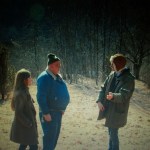
With 2009’s Bitte Orca, Dirty Projectors became indie darlings, thanks to a mix of angular riffs, wonky vocals and one especially lovely, Nico-biting ballad. But originality isn’t a synonym for quality, and as time passes and its sheen wears off, Bitte Orca’s flights of fancy tend to grate just a bit. But I doubt the same will be said of Swing Lo Magellan. Scaling back the dynamics and acrobatics of its predecessor, Dave Longstreth is in greater command of his talent here, building quieter, more pastoral templates to house his Geddy Lee-ish tenor. But this isn’t a McCartney/Ram kinda deal. Whether it’s a swirling pastiche of string plucks and drum machines or an out-of-leftfield horn section, Magellan is a rich, imaginative affair. It just doesn’t feel the need to declare itself in bold strokes. And thank god for it. Because while Dirty Projectors is far from done experimenting, it proves here that sometimes, a calculated move to the center can be revolutionary.

TySegallBandSlaughterhouse14. Ty Segall Band – Slaughterhouse

There’s an art to fucking shit up. To making such an unholy racket that a portion of the population wouldn’t even classify it as music. In 2012, nobody perfected this art like Ty Segall. Slaughterhouse, the California dynamo’s second of three albums released this year (yes, you read that right), is the most off the rails of the lot, a seething onslaught of haymaker riffage, squalls of feedback and often-unintelligible screams. And thanks to Segall’s songwriting chops, weakness for British Invasion melodies, and palpable, youthful energy, it’s a freshly culled test tube of undiluted adrenaline unlike anything else I heard this year – except for those other Segall records, of course (see below). If for no other reason, the album matters because it reminds us that few things get the blood pumping like a talented artist beating the hell out of his instruments and vocal chords. You could call it the art of fucking shit up. Or you could just call it rock.
Bob_Dylan_-_Tempest13. Bob Dylan – Tempest

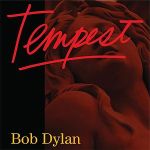
When Bob Dylan visited Woody Guthrie in the hospital, the latter was in his early 50s, and rapidly deteriorating from Huntington’s disease. Now that Dylan is 71 and still releasing music as textured, immediate and Americana-laden as Tempest, his debt to Guthrie is as clear as ever, and his presence as a going concern a rare gift to all of us. If we’d lost him after Time Out of Mind, one of the most brilliant ruminations on age and sickness in rock history, we’d consider ourselves lucky. Yet here he is, 15 years later, laying down haunted blues grooves and crystalline country love songs, singing about trains and the Titanic and John Lennon with wit and mystery. Roll on, Bob.

Miguel-Kaleidoscope_Dream12. Miguel – Kaleidoscope Dream

Anytime an R&B artist releases a single that sounds like Marvin Gaye, or an album that isn’t heavily influenced by hip hop, it’s hard not to just pigeonhole them as throwbacks, slap a tag like “neo-soul” on them, and call it a day. Miguel does both of these things on his second album, Kaleidoscope Dream, but if anything, he’s looking to the future. Over production that nods to the dark, narcotic atmospheres of The Weeknd and the warmer instrumentation of Erykah Badu’s Amerykah albums, the singer delivers wry plays on words, romantic come-ons and spiritual rallying cries with creativity and conviction. Yes, his gorgeous single “Adorn” is indebted to “Sexual Healing,” but Miguel is reminiscent of Gaye on a deeper level here. Like the legend, he never sounds like he’s trying too hard; his lithe performance goes light on trills, sounding just as comfortable, believable and sexual no matter the context. Which makes Kaleidoscope Dream an album for contemplation, babymaking, and partying, depending on your mood.

Screaming_Female's_Ugly_album_cover11. Screaming Females – Ugly

With a remake of Total Recall, the reunion of Soundgarden and [insert questionable decision here] happening in 2012, it can’t be denied that 1990s nostalgia is something we’ll all have to deal with for a while. And instead of going down retread lane, I suggest listening to Screaming Females’ fifth album. Ugly is a molten-hot shitkicker of a rock record that hearkens back to Smashing Pumpkins’ Gish and Sleater-Kinney’s Dig Me Out, with walls of guitars thicker than a bank safe and vocals that tremble and snarl. (The fact that Marissa Paternoster is solely responsible for said vocals and guitars is a testament to her genius.) But Ugly is much more than some rock and roll time capsule; after delivering one indelible riff after another, and treating us to late-record masterpieces like the epochal “Doom 84,” Screaming Females distinguishes itself as one of the gutsiest bands of the here and now.

homepage_large.60b385d010. Matthew E. White – Big Inner

After reading about Matthew E. White’s borderline-insane obsession with Randy Newman (he tracked him down at home so he could personally hand him demos), I had to hear his debut album, sure it couldn’t live up to the high standards set by my own Newman fanaticism. But impressively, Big Inner did that and more – this is a gentle, intoxicating bear hug of an album, one that pairs richly layered, Newman-esque arrangements with White’s deep, casual vocal stylings, on songs about drinking hot toddies, not having to rush love, and the friend we have in Jesus. Jumping from tender meditations to stone-cold soul grooves, while never making you feel like you have to move from your spot by the fireplace, White is something much more than a guy with great influences. He’s got a sound and a vision all his own, one that could inspire a whole new generation of hero worship.

kendrick-lamar-good-kid-maad-city-cover9. Kendrick Lamar – good kid, m.A.A.d city

On the first single of his major label debut, Kendrick Lamar raps about being alone in his childhood bedroom, nursing a shot and dreaming of adoring fans. One voice in his head tells him that he should dive in a swimming pool full of liquor. Another says that he’s noxious and on the wrong path. It’s a compelling, heartbreaking metaphysical struggle, and only one kind of conflict that arises on good kid, m.A.A.d city, the rapper’s concept album about growing up with all the cards stacked against you. He falls in love, gives in to peer pressure, almost gets arrested and watches his friend commit murder, all while ignoring the voicemails from his mother (who isn’t worried about him, she just wants the car so she can leave the house). Words spill from Lamar’s mouth in a flow that’s second nature; every time he spits 16, it sounds like he could go for 160. Which makes his incisive personal and sociological observations all the more powerful, woven through laid-back loops that belie his Compton roots.
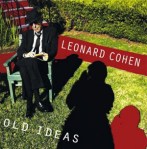
LeonardCohenOldIdeas8. Leonard Cohen – Old Ideas

With both this album and Tempest making my list, I guess my secret is out – I’ve got a thing for grizzled septuagenarians. When they complain about the cold, it makes me so, so hot … Anyways, where was I? Oh yeah. Old Ideas is really good. Even though Leonard Cohen’s resurgence on the road and in the studio has more to do with money than the need to create, the 78-year-old is still the best in the game when it comes to writing songs about religion from the perspective of a sinner. “Amen” is an elegant, seven-minute blasphemy shuffle that we can now turn to for solace after hearing the 11 billionth “Hallelujah” cover. And “Show Me the Place” casts Jesus as a slave to his father, humanizing him more than any Christmas pageant ever could. Couple this caliber of writing with producer Ed Sanders’ subtle country & western touches and some solemn female backup singers, and you’ve got Cohen’s best work in 20 years.
Chromatics_-_Kill_for_Love7. Chromatics – Kill For Love

It’s easy to think of the 1980s as a wasteland of synthesizers and gated reverb. But it was also a time period where those elements were used to create beautiful, otherworldly sonic experiences, supporting organic instruments instead of merely replacing them. And it’s these kinds of arrangements that Chromatics simply nail on Kill For Love. This is a band that understands the potential of synths to create expansive frameworks, making listeners feel like they’re in a sonic Monument Valley, horizons all around. Taking cures from The Cure’s artful melancholy and Everything But the Girl’s introspective techno, Kill For Love is generous when building these landscapes. The eight-minute opus “These Streets Will Never Look the Same” takes a subdued “Eye of the Tiger” loop and transforms it into a breathtaking alternate universe, narrated by an Auto-Tune skewed voice repeating the line “The screen stayed flashing in my mind.” Full of shameless melodrama and cinematic production (it comes as no surprise that band member Johnny Jewel had a hand in two songs on the Drive soundtrack), Kill For Love is stuck in an ’80s haze. May their DeLorean never work again.
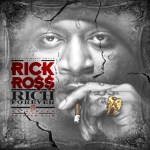
6. Rick Ross – Rich Forever (2012)

With details about Mitt Romney’s Swiss bank accounts clogging the news cycle, 2012 seemed like a bad time for Rick Ross to drop a mixtape that told us how great it is to have a fuckton of dough. But while practically every track on Rich Forever is concerned with materialistic one-upsmanship (in bed, Ross must count Benzes and Bugattis instead of sheep), it’s redundant in all the right ways, developing Ross’s drug kingpin character into something delightfully cartoonish, and featuring an unbelievable string of monster beats and instant-classic choruses that made me recalibrate my expectations of a mixtape. While Rich Forever is loaded with guests – most notably an in-top-form Nas on the standout “Triple Beam Dreams” – Ross is never outshone, painting ridiculous Robin Leach panoramas with irresistible panache, coming up with another dozen brilliant ways to say he’s rich on every cut (my current favorite: “Gotta run your credit just to bring my name up”). His steady baritone is the only thing about Rich Forever that follows a less-is-more aesthetic, providing a perfect counterpoint to all the tremendous, towering beats.
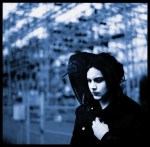
Jack_White_Blunderbuss_cover5. Jack White – Blunderbuss

I love that Jack White is a rock star. There’s just something beautiful about a mild-mannered guy who looks like an Edward Scissorhands stunt double making music that hipsters can listen to with their parents. And what finely crafted music it is. Blunderbuss is far from his first non-White Stripes album, but it is his first solo album, and a hell of a good argument against him ever forming another side project. Sounding more vibrant, organic and fully formed than anything since Icky Thump, the album hits a variety of Americana sweet spots, from the slinky soul of “Love Interruption” to the airy country of the title track and a seriously swinging cover of Little Willie John’s “i’m Shakin’.” Plus, White’s uncanny ability to turn mundane dude problems into poetry remains as sharp as ever. “Smile on her face/She does what she damn well please,” he bemoans on “Freedom At 21,” admitting defeat, yet sounding just a little bit like he enjoys it. It’s theater for sure, but like any rock star worth his salt, Jack White still has me believing every word.

fantasea-azealia-banks_3204. Azealia Banks – Fantasea

I am a big Nicki Minaj fan. But I can’t help but wish my first exposure to her wasn’t Pink Friday, but one of the world-beating mixtapes that put her on the map. Her official releases are packed with great singles, but their reliance on chart-baiting dance-pop minimizes her talents. Lucky for me, I can take solace that I’m with Azealia Banks at the ground floor, before she inevitably rockets into the hip hop stratosphere. Comparisons to Minaj on her debut mixtape Fantasea are inevitable, what with her rapid-fire flow, cocksure attitude and club-ready beats. But the differences are crucial – there’s nothing cartoonish about Banks; she’s not one to scream for attention, and her music follows suit. Fantasea is 19 tracks of quick-pulsed, subterranean dance music, with very few hooks to be found. Banks is the hook here, her brilliantly syncopated rhymes proving that the human voice can be the ultimate percussion instrument.

homepage_large.755e37bd3. Ty Segall – Twins

Ty Segall’s second entry on this list came out after he’d already blown our minds with Slaughterhouse, not to mention Hair, his album with White Fence. Twins is certainly proof of a prolific artist at work, somebody whose writing and recording processes must be as intense and immediate as the high-octane garage rock that is his stock in trade. And amazingly, it’s the best of the three. I mentioned Segall’s affinity for British Invasion melodies above, and he lets them shine through more than ever before on Twins, which, when coupled with his Lennon-esque tenor, inspires visions of The Beatles honing their chops in the dive clubs of Munich. Where Slaughterhouse took its name to heart in its sonic approach, Twins isn’t out to bludgeon, keeping its hooks relatively pristine, whether they’re part of the hyperactive hard rock of “You’re the Doctor” or the incredibly catchy ballad that closes the album, “There Is No Tomorrow.” If this kid finally takes a break, it’s safe to say he deserves it.

Vets_large2. Killer Mike – R.A.P. Music

On his sixth album, Killer Mike makes it absolutely clear that he thinks real rap music is “the opposite of bullshit.” So by his own definition, R.A.P. Music is as real as it gets, a masterpiece of the form from a true gangsta scholar who never sounds like he’s full of it – whether he’s threatening Atlanta tourists, proselytizing about his art form, or dancing on Ronald Reagan’s grave. Unless by “it,” you mean a booming voice, mastery of language, political incisiveness, and an exhilarating sense of swagger. Nobody on earth can give a middle finger to the man like Killer Mike, and here he delivers them like a man possessed, slaying every hard, thumping beat that’s thrown his way, making you feel bad for every guest rapper, and damn good to be alive.

Channel_ORANGE1. Frank Ocean – channel ORANGE

After a long night reviewing at show at Darien Lake this past summer, I decided to take the back roads home. Once I escaped the hell that is that parking lot and entered the wooded regions of Route 62, I put on Frank Ocean’s channel ORANGE for the first time. As the highway wound through farm country with open skies above, I was swept away by the starry-eyed romantic plea of “Thinking About You.” Then I reached the outer ring of suburbs, while being treated to  a pair of brilliant deconstructions of rich people problems – the breezy, Stevie Wonder-ish “Sweet Life” and the “Bennie And The Jets”-biting “Super Rich Kids.” As Buffalo’s troubled East Side neighborhoods loomed, the golden age hip hop beat of “Crack Rock” provided a spoonful of sugar for a frank take on what happens to addicts. And as I got closer to home, where my wife was waiting up for me, I heard the slinky Isley Brothers lick of “Forrest Gump,” and reveled in how she was running through my mind.

Homorable mentions (in alphabetical order): The Beach Boys – That’s Why God Made The Radio; Beach House – Bloom; Himanshu – Nehru Jackets; Japandroids – Celebration Rock; Nicki Minaj – Pink Friday: Roman Reloaded; Various Artists – Kanye West Presents Good Music: Cruel Summer

Top 100 Albums of the ’90s (70-66)

70. Beck – Midnite Vultures (1999)

“Loud/quiet/loud” is about as standard as rock n’ roll formulas get. But few artists have applied the concept to entire albums the way Beck did from the mid-’90s to the early ’00s. After his sample-heavy, Def Jam-meets-Folkways pastiche Odelay made him an alt-rock hero in ’96, he followed it up with a gorgeous, late afternoon stroll of a country album. Which meant that he was due for a “loud” album by the time Midnite Vultures came around. And holy shit, did he deliver. Not only is the album in-your-face in a sonic way – being pretty much a string of intense electro-funk workouts from beginning to end – but its overall aesthetic is as thrillingly brash as the neon-green cover art. Beck’s trademark non sequiturs remain in full force, but they’re applied in a more distinctly sexual milieu, with titles like “Peaches & Cream” and “Milk & Honey,” and pick-up lines that reference satin sheets, tropical oils, Hyundais and JC Penney. It’s like a parody of a Prince album that just happens to be as musically adventurous as it is hilarious, a snapshot of an artist dealing with supersized expectations by making the craziest party album he possibly could. The music is wildly imaginative throughout, from the slick game show horns of “Sexx Laws” to the fembot synth pop of “Get Real Paid” and the classic Stax groove of “Debra,” Midnite Vultures’ shit-hot closer. With full-on falsetto verses, whispery sex talk and Vegas-ready horn stabs, “Debra” is an ingeniously absurd epic, and one of the most purely enjoyable R&B cuts of the decade. It’s that mix of rare quality and endearing irreverence that still makes Midnite Vultures a thrill of a listen. Of course, Beck’s next release was a tear-streaked breakup album.

No track embodies this album’s horndog-nerd-funk spirit like “Hollywood Freaks,” which satisfies your desire for hot milk nipple baths and Old Navy shout outs.

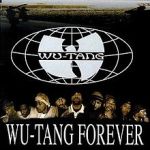
69. Wu-Tang Clan – Wu-Tang Forever (1997)

If a decision to make a double album ever felt like a no-brainer, it was this one. After Wu-Tang Clan blew the doors off of hip-hop with the indefatigable Enter the Wu-Tang: 36 Chambers, ensuing solo albums from GZA, Ghostface Killah, Ol’ Dirty Bastard and Method Man all became classics in their own right. So if Wu-Tang Forever was going to give all of these evolving mythologies and expanding egos any kind of breathing room, it was going to take two discs. RZA makes the most of the extended running time, his approach more cinematic than ever before, wrapping those trademark kung-fu sound bites and blaxploitation soul loops in ominous layers of strings. Which was all too appropriate, because if anything, the crew’s successes had made their worldview darker. This was the second album from the biggest rap crew on the planet, and they rarely, if ever, brag about money on it – something that would probably never happen in our post-Puffy and -Kanye world. The first single, “Triumph,” was a killer bee swarm of a showcase track; from the molten-hot rhymes of Inspectah Deck’s first verse on, the mood is more confrontational than triumphant. Because at its peak, the Wu wasn’t interested in non-fiction boasts. It was about world-building. They knew that if Wu-Tang Forever could do what most movie sequels can’t – stay true to the characters while taking them in compelling new directions – the money would come. And as all of the Wu Wear in my closet circa 1997 could attest, they most definitely pulled it off.

Give “For Heavens Sake” a spin, and marvel at how RZA can turn an old soul sample into a billowing thunderstorm.

68. Nirvana – In Utero (1994)

If what happened hadn’t happened, and In Utero didn’t end up being Nirvana’s de facto swan song, it wouldn’t be taken so gosh darn seriously. Which would be infinitely to its benefit. Because while the record does work as Kurt Cobain’s ragged middle finger to the trappings of rock stardom (his lyrics had never been so beautifully barbed), it works even better as a snapshot of geniuses fucking around. Beyond the accomplished demon-wrestling you get from the singles, In Utero is littered with blasts of punk deconstruction that are the sonic equivalent of a movie scene where an actor gets to destroy something. As Cobain screams maniacally during “Tourette’s” or bends his squealing guitar skyward on the riff to “Scentless Apprentice,” it sure sounds like he was having fun. Then there’s the irrefutable evidence. Toward the end of my favorite of these anarchic cuts, “Milk It,”  Cobain laughs as he delivers the thoroughly batshit chorus for the last time – “DOLL STEAK! TEST MEAT!” In that moment, any angst you were feeling goes up in smoke.

Listen to “Milk It,” whydontcha?

67. Beastie Boys – Ill Communication (1994)

With the release of Ill Communication, its third-straight stone-cold masterpiece, the Beastie Boys had completed one of the most remarkable artistic evolutions in pop music history. Within an eight-year period, the trio had gone from a snotty frat boy marketing concept to one of popular music’s most sonically expansive and socially conscious acts. If Licensed To Ill purists had any hopes that this one would hearken back to that fun-in-spite-of-itself debut, they were dashed on the opening cut, “Sure Shot.” Over that hallowed jazz flute sample, MCA poured out his regret over the Beasties’ once-misogynistic bent: “I want to say a little something that’s long overdue/The disrespect to women has got to be through/To all the mothers and the sisters and the wives and friends/I offer my love and respect to the end.” Blending this kind of soul-searching with infectious rap free-for-alls, blistering punk romps and Mayfield-caliber funk instrumentals, Ill Communication is the sound of hip-hop ending its adolescence, flexing its muscles and realizing its own power.

Can any rap song boast the kind of dynamic chemistry the Beasties and Q-Tip possessed on “Get It Together”? It makes for one of my favorite tracks of the ’90s, despite my dislike of pineapple Now And Laters.

66. Air – Moon Safari (1998)

If you wanted to look cool smoking a cigarette in the late-’90s, putting Moon Safari on repeat was a pretty safe bet. Taking all of the stereotypical American ideas of what constitutes “French music” – loungey jazz, whisper-soft female vocalists, songs with “sexy” in the title – and filtering them through electronica’s spaciest kaleidoscope, Air’s debut album was a beautiful, warm bath of an acid trip. This was music that people in the ’90s would put on “chill-out” mixtapes to show they were men of many moods, deeper than the stammering, opinionated goofball on the surface. Not that I ever did that or anything. But Moon Safari is so much more than “chill-out” music – it’s not so much dreamy as it is an actual dream, a hazy sonic adventure that makes good on the promise of its title, where elegant bass lines guide you through alien, synthetic landscapes, with the occasional full-blown pop song to remind you that you’re earthbound. Air went on to make even more adventurous music, much of it lovely, none of it a voyage like this one.

Here’s one of those aforementioned pop songs, the otherworldly “All I Need.”

What’s In My Discman, June 2012

In two days, I’ll be catching The Beach Boys’ 50th Anniversary Tour stop at Darien Lake Performing Arts Center. DLPAC is normally a stressful, unsatisfying place to see a show – if you want to get thousands of people to start throwing punches, give them a whole mess of rollercoaster rides and $11 beers. But fuck if I don’t give a damn this time. Seeing Brian Wilson on stage with the remaining original Beach Boys, cherry-picking tunes from one of the most beautiful and haunting back catalogs in pop music history, is sure to make every other possible annoyance fade away, like a sandcastle in the tide. Naturally, I’ve been listening to Beach Boys albums like crazy this month, something I do when the warm weather hits every year anyways. Here are the three records that’ve been getting the most spins. (And thank you to my stunning, loving wife, who gave me these tickets for my birthday, and will be by my side Friday night, even though she couldn’t care less about the old farts on stage.)

The Beach Boys – That’s Why God Made The Radio (2012)

It was easy to be skeptical about this project, a seemingly rushed-together LP released to coincide with the tour I’ll be experiencing on Friday. But while aspects of That’s Why God Made The Radio do feel a bit half-baked, and a few tracks get cornily self-referential, it is most definitely more than a lowest common denominator cash-grab. It’s also the perfect example of the clashing artistic visions of Brian Wilson and Mike Love. If you were in any way confused why the two haven’t worked together in a while, listen to the gorgeously morbid three-song suite the closes the album, where Wilson sings “Summer’s gone/It’s finally sinking in.” Then listen to “Spring Vacation,” a dopey good-time pop song in which Love sings “Driving around, living the dream/I’m cruising the town, I’m living the scene.” Brian’s still the fragile genius, all about introspection and the interplay of darkness and light; Mike’s still the aging rock star, all about Hawaiian shirts, cool cars and (I imagine) creepy leers. I don’t mean to put a line in the sand here – Wilson’s Jersey Shore-referencing “The Private Life of Bill and Sue” is an embarrassing attempt at relevance, and Love’s “Daybreak Over the Ocean” is rather sweet in its simplistic pleas. But the biggest wins are Wilson’s – the incredibly pretty, “Our Prayer”-ish opener, the title track with its wonderful, cascading chorus, and that jaw-dropping trilogy at the end (was any Beach Boys fan expecting such a perfect coda?). So if TWGMTR is wildly inconsistent, it’s still an accurate representation of where the Beach Boys are in 2012 – a band that might not be on the same page, but one that still sings like angels through it all.

The Beach Boys – 15 Big Ones/Love You (1976-1977)

Some of the biggest artists of the ’60s have dealt with their various mid-life crises by making albums filled with the songs of their youth – and like David Bowie’s Pin Ups and John Lennon’s Rock ‘n’ Roll before it, 15 Big Ones is a fun listen, if not a particularly life-altering one. As the first LP since Pet Sounds to feature the credit “produced by Brian Wilson” on the gatefold, the album must have been a bit of a disappointment at the time, but it’s actually aged pretty well, with originals like the cheerful, organ-peppered “It’s OK,” the breezy “Had to Phone Ya” and the bluesy “Back Home” fitting the old-time rock ‘n’ roll vibe while still giving Wilson room to scratch that harmonic itch. There are some throwaways here (e.g. a grating, dated-sounding “Chapel of Love,” a sluggish “Blueberry Hill”), but the lushly produced, reverent take on The Righteous Brothers’ “Just Once In My Life” ranks up there with the Boys’ best ’70s work. And who’s going to complain about these vocalists tackling “In the Still of the Night”?

Love You, the second of this two-album set (thank you Capitol Records) was the last Brian Wilson-produced Beach Boys album before this year’s That’s Why God Made The Radio. And while it’s a ramshackle shadow of his glorious ’60s work, it’s an oddly compelling little masterpiece all the same, and my favorite of all the ’70s Beach Boys albums I’ve heard (Carl & the Passions and Holland have still managed to evade my ears). Wilson’s songwriting is straight-up goofy in places, and at times painfully childlike, but it adds to Love You’s ragged blend of synthesizers and doo-wop harmonies – “Johnny Carson” is the weirdest Beach Boys song ever, a straight-faced ode to the celebrity whose verses have a strangely ominous melody. And “Solar System” is a 2nd grade astronomy lesson sung by a blissed-out organist – but because it features Brian’s voice at its hoarsest, it’s also a bit of pop innocence that’s streaked with something sadder. Then there’s the heartbreakers – “Let’s Put Our Hearts Together,” a crushing duet between Wilson and his indifferent-sounding wife Marilyn, and “Love Is A Woman,” where Wilson, Mike Love and Al Jardine compel us to treat women nicely over a Fats Domino-ish arrangement. When Wilson sings, “Tell her she smells good tonight,” it’s so awkward, and so perfectly earnest, I can’t help but get chills.
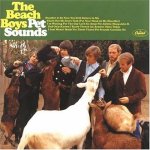
The Beach Boys – Pet Sounds (1966)

I’m not really sure what the critics think about this one, but I’ll be bold enough to come right out and say it – Pet Sounds is good. Honestly, it would be a waste of all of our precious time to blather on about the swirling, magnificently dense arrangements, the bittersweet love songs to beat all bittersweet love songs, the force of nature that is the band’s vocal harmonies. The Beach Boys have always been obsessed with the trappings of summer, but I think Brian Wilson was more obsessed with the brutally temporary nature of that season – before you know it, school’s back in session, the leaves are falling, and you’re starting to wonder if you were made for these times. Pet Sounds was summer for the Beach Boys, a time when their talents were in full blossom, their ingenious leader was as confident and prolific as he ever would be, and their songs were on the charts. Then they blinked an eye, and it was September.

Top 100 Albums of the ’90s (80-76)

“So I thought you were counting these albums down in groups of 10?” absolutely nobody will ask when seeing this group of five ’90s albums. Well, I haven’t had a lot of time to write lately, and rather than have these sitting around like yesterday’s dirty diapers, I figured I’d bundle them up and take them down to the dump (a.k.a. post them). So there you go. Enjoy!

80. Propellerheads – Decksanddrumsandrockandroll (1998)

Whether they’re the result of the legitimate, organic rise of a new artistic sensibility, or something manufactured by critics who are magnanimous with their “next big thing” proclamations, all pop music trends are fads, destined to flame out. So instead of letting them dictate the way you walk, talk and dress, why not do something that will never go out of style – find a good groove and dance to it. This is the message of Propellerheads’ single “History Repeating,” a propulsive spy movie rave up, complete with a gutsy Shirley Bassey vocal, that realized the mainstream potential of electronica while mocking the hype machine that had been predicting just that for years. On the British duo’s first and only LP, they give several examples of the kind of tracks that could inspire critics to go all Nostradamus, doing monstrous things with drums and bass lines that could seemingly stretch on forever without losing their adrenaline-spiking energy. “Take California,” “Bang On!” or the Matrix-approved “Spybreak!” make driving to work feel like a million-dollar chase sequence. When sequenced with quieter, quirkier moments like the groovy kitsch of “Velvet Pants” and the loping, skater hip hop of “360 (Oh Yeah?)” (which features De La Soul at their effortless-sounding best), Decksanddrumsandrockandroll becomes an evergreen listen, an album that will always be as much fun as it was the day it came out. My flannel is long gone, and these beats are forever.

The understatement of the album comes on “Velvet Pants” – “It’s groovy, I guess.”

79. RZA – Bobby Digital In Stereo (1998)

By the time RZA got around to releasing an album under his own name, he was seen as a pretty solid hip hop double threat – a genius producer who had garnered respect as a rapper as well. Bobby Digital In Stereo solidified this status. Not only was it the treasure trove of dramatic, confrontational beats we’d come to expect (and this a year after the double-LP Wu-Tang Forever. Damn, were we spoiled), it was the first real revelation of RZA’s abilities on the mic. He dishes out some wild, brilliant tongue-lashings here, making the record’s kinda lame “digital v. analog” concept sound like the toughest street battle this side of Mobb Deep, and shouldering the burden of keeping the adrenaline flowing over the course of 17 tracks. That said, Bobby Digital drags just a bit in the middle, but it’s thanks to a glut of guest rappers (RZA only contributes six verses from tracks 8-15). And it pretty much doesn’t matter, because the man closes things in unforgettably explosive fashion. “My Lovin’ Is Digi” is grand and ridiculous and sublime; pairing a huge string loop with a chorus that’s sung with hilarious gravity: “Sometimes, I find someone fuckin’ with my pussy.” Then there’s “Domestic Violence.” Jesus Christ, “Domestic Violence.” An ugly, misanthropic argument between RZA and guest Jamie Sommers, the track is both a raw nerve of rage and bitterness, and a massively successful piece of entertainment. Hearing Sommers laundry list all the things about RZA that “ain’t shit,” how could you not join in?

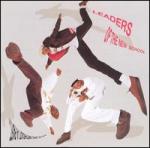
78. Leaders of the New School – A Future Without A Past … (1991)
The title of Leaders of the New School’s debut album is a reference to youth, and all the hope and possibilities it implies. And it completely delivers on that idea. Charlie Brown, Busta Rhymes, Dinco D and DJ Cut Monitor Milo inject every track with endearing, juvenile energy – these guys weren’t just skilled MCs, they were kids whose dreams were coming true, and their joy informed everything they laid to tape during these sessions. This is what makes A Future Without A Past one of the upper-echelon Native Tongues albums; where A Tribe Called Quest and De La Soul were exploring the power of positive thinking, Leaders of the New School was about innocence. A loose schoolyard concept informs classic tracks like “Case of the P.T.A.,” where the guys reflect on how parents and teachers just don’t get it over a completely infectious New Jack Swing groove, and “Show Me A Hero,” a “Gambler”-lifting warning shot to bullies in which Busta steals the show just by reciting his height and weight. If the rising star’s commanding baritone tends to shine just a little brighter than his bandmates, it was all part of LOTNS’ perfect pH balance, leveling out the bizarre shrieks of Brown and the steadying force of Dinko. Hearing them gleefully playing off each other really shines a light on how much the group dynamic has faded from modern hip hop. If you ever get tired of hearing solo records littered with guest spots, crank this up loud, and rejoice in the blissful synergy. Who cares if it gets you detention?

Just try to deny the youthful energy of “Case of the P.T.A.”

77. Lou Reed – Magic & Loss (1992)

Lulu, Lou Reed’s much-maligned 2011 collaboration with Metallica, has joined the likes of Gigli and Glitter as shorthand for an artistic train wreck. And on paper, Reed’s 1992 effort Magic & Loss looks like something destined for a similar fate – a concept album about death from an aging auteur striving to prove he’s still relevant. But in reality, this is the polar opposite of Lulu’s fancifully misguided theater. Shaken by the actual death of a friend from cancer, Reed sat down and wrote lyrics that are as subtle as chemotherapy. He marvels at the fact that the same thing that killed people at Chernobyl was helping his friend buy time. He wrestles with ideas of spirituality, bowing to their sanctity one moment, deriding them as “mystic shit” the next. And through it all, no matter how crushingly depressing the songs become, Reed handles them with that classic sense of cool, his resigned sing/speak translating it all into something like hope. He’s always been great at tackling material rich in conflicting moods – “Perfect Day” kicks your ass every time, because it’s about happiness in the context of sadness. Magic & Loss is “Perfect Day” on steroids, then, an album that finds beauty and mystery in the brutal unfairness of life. “I’m sick of looking at me/I hate this painful body,” he sings over the lone, mournful guitar figure on “Magician,” a harrowing tale of a spirit longing for freedom that’s among his best work. Like the album it anchors, it’s riddled with loss, yet feels like magic.

Put on a leather jacket and your best contemplative expression, and give “Magician” a spin.

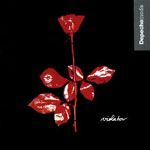
76. Depeche Mode – Violator (1990)

When you’re alone, you can rule your own universe. It’s a theme that’s been used for several classic pop songs about adolescence. But when I first saw the video for Depeche Mode’s “Enjoy the Silence,” I’d never heard “In My Room” or “I Am A Rock.” I was in 7th grade, an introverted kid who typically loved extroverted music – bands like Led Zeppelin, AC/DC and Guns n’ Roses  possessed such audacious confidence, it seemed like an interplanetary transmission to a boy like me. But the “Enjoy the Silence” video spoke to me on a deeper level, and could very possibly have been the first work of art to do so. It told me that I wasn’t the only one who shied away from social situations, that, in fact, it was a kingly pursuit to avoid the everyday noises of life. “Words are very unnecessary/They can only do harm,” sings David Gahan as he walks through one gorgeous landscape after another, dressed in a crown and cape and carrying a lawn chair, stopping from time to time to heed the direction of the song’s title. Violator is full of introspective struggles like this – my 12-year-old brain wasn’t savvy enough to understand these songs that wrestled with ideas of faith, and truth, and love. But those haunting goth-pop melodies were more than enough to make me obsessed; plus, as a Catholic school kid I could sense the delicious sacrilege that was being committed on “Personal Jesus.” I loved this album then, despite it standing out of my cassette collection like a sore thumb, and it has only become more poignant with age. The more I’ve discovered about why I love Violator, the more I’ve learned about the younger me, that awkward king of his own quiet world.

Here’s “Enjoy the Silence.” Please enjoy it, even though it’s interrupting your silence.

Top 100 Albums of the ’90s (90-81)


90. Cibo Matto – Stereo ★ Type A (1999)

As delightfully trippy as it was, Viva! La Woman, the first album from the duo of Miho Hatori and Yuka Honda, boasted a formula that seemed best suited to a one-off project – a band that names itself after the Italian translation for “crazy food,” and writes a bunch of weird acid-jazz songs about food. But luckily for us, instead of belaboring things, Cibo Matto expanded its artistic vision, along with its lineup, for its outstanding follow-up. Gastronomy is only a passing fancy here, with Hatori and Honda applying their distinctly strange lyrical touches to wider themes of love and cosmology. More importantly, they keep the non sequiturs to the verbal realm – Stereo ★ Type A ditches the muddier patchwork production of Viva! for widescreen accessibility. On the earwormy dance-pop of “Spoon” and “Lint Of Love,” the geek-rap of “Sci-Fi Wasabi,” and the light samba of “Stone,” Cibo Matto suddenly sounded like a group that was meant to make great records deep into the next millennium. Of course, they broke up in 2001.

Here’s the eminently funky “Spoon.” Feel free to cut a rug, or freak dance, or whatever the kids are calling it these days.

89. Barenaked Ladies – Maybe You Should Drive (1994)

Here’s the second wonderfully talented Toronto band to appear on this list, and hindsight hasn’t been kind to either. But unlike Moxy Früvous, who was just more of a live animal, Barenaked Ladies’ oeuvre is colored by the mainstream success it experienced later in the decade – success that can mostly be attributed to one completely obnoxious single, and a handful of innocuously bland tracks released in its wake. Listening to the band’s earlier work now, I can’t help but look for evidence of the “One Week” formula everywhere (finding it all over its debut, Gordon, for the record). But Maybe You Should Drive emerges from this pop forensics investigation largely unscathed. It’s the band’s most “grown-up” album, a collection of cleverly penned, XTC-indebted pop tunes and whisper-serious ballads. Steven Page was on a roll here, contributing his classic unrequited love song “Jane,” the country-pop beauty “You Will Be Waiting,” and the charmingly unabashed novelty cut “A.” And while Ed Robertson’s groovy folk melodrama “Am I The Only One?” might not clench my heart the same way it did 18 years ago, it still has its way with me when it comes on. I selfishly wish BNL stayed down this path, instead of beginning their inexorable decline with the forced cheerfulness of Born On A Pirate Ship. They most certainly wouldn’t have hit pay dirt in that fashion, which is why I don’t manage rock bands for a living.

Step into the shoes of a sensitive, creepily possessive dude, with the jazzy acoustic ballad “Am I The Only One?”

88. Arsonists – As The World Burns (1999)

As The World Burns begins with a clever nod to “A Day In The Life,” blending studio chatter with a clip of that string section burning chromatically through the octaves. The reference works, because while As The World Burns isn’t Sgt. Pepper’s, both albums share a similar goal – to off-set the expected with the occasional tripped-out detour. Arsonists gives you the adrenalized street-rap showcases you’d expect from a late-’90s Brooklyn hip-hop group, like “Backdraft” and “Shit Ain’t Sweet.” But they follow them up with “Pyromaniax,” a track that finds MCs Q-Unique and D-Stroy getting profoundly whacked over a goofy calliope loop, to the point where they’re doing a Monty Python-esque impersonation of a screaming Cockney couple (an experience that rivals dog whistles and backwards recordings in the fantastically strange department). It reminds me of a recent Wu-Tang show, where Method Man spent a good amount of time complaining about how today’s hip-hop artists have forgotten how to have fun. I’m not sure I agree with him, but listening to this album does make me see his point – we don’t hear too many records like As The World Burns these days, albums whose only goals are to stop people in their tracks, get them laughing, and keep them dancing.

“Pyromaniax” is the quintessential Arsonists song for sure, but my favorite is “Backdraft,” a powder keg of NYC hip-hop that storms out the gate, and impressively, never flags.

87. Tori Amos – Boys For Pele (1996)

As a teenage boy who spent the ’90s attempting to play keyboards and pretending to not be deathly afraid of girls, I was heavy into Tori Amos. Sure, I didn’t understand much of anything she was singing about, but it was art, man. Sensitive art that showed what an amazingly sensitive man I was. As I slowly grew out of this juvenile cocoon, met my ravishing wife, and realized that few things were more insufferable than a man who hopes his CD collection will get women to like him, Amos’ records started to lose the magic I so resolutely believed they had when I was 16. But Boys For Pele holds a shadow of that mystique to this day, possessing everything that the artist does best – complicated clusters of piano and harpsichord notes, seriously dramatic dynamic shifts, the occasional stone-cold groove, and lyrics that go where the flakiest lyricists fear to tread. Like any Amos album, it’s heavily indebted to Kate Bush, but Pele has her discography’s highest percentage of original ideas, from the neo-classical piano licks of “Father Lucifer” to the grinding harpsichord riffage of “Professional Widow” and the rainy day blues of “Little Amsterdam.” Most importantly, as a player, Amos is at her best here, keeping the show-offy passages to a minimum and letting the chords do their thing. I still look at it with more nostalgia than anything else, but in the context of all the boring dance tracks, labored literary references and bat shit characters that followed it, Boys For Pele has aged pretty darn gracefully.

“Little Amsterdam” is my favorite cut here, if only because it shows how good Amos could be when she kept things simple.

86. The Mighty Mighty Bosstones – Question The Answers (1994)

I mentioned this in my comments about Sublime earlier, but you probably didn’t read that, so I’ll say it again – I was once smitten with the mid-’90s mini-revival of ska/punk. As a quiet kid with plenty of pent-up energy, I loved these bands with seemingly boundless reserves of adrenaline, soaking up their irreverent material and catchy horn parts. But like anything that’s heavily templated, 95% of this stuff was too repetitive to make any lasting impact on my listening habits. The Mighty Mighty Bosstones are one of the few artists that survived this ska-pocalypse; they were a party band, yes, but one with a little depth and nuance beneath all the fun hooks. In my view, they were able to do what no other group could – staying comfortably within the restrictive ska-punk guidelines (horn section part, sped-up reggae verse, thrashy punk chorus, repeat) while crafting a sound that’s completely their own. Question The Answers was the zenith of the group’s rowdy-yet-accessible sound, combining “singer” Dicky Barrett’s Tom Waits-meets-Henry Rollins growl with some of the decade’s most skillfully arranged horn charts (the riff on “Hell Of A Hat” is that forever kind of cool). Jet-fueled punk tunes like “Dollar And A Dream” and “365 Days” contrast nicely with the poppy nostalgia of “Pictures to Prove It.” And the working-stiff lament “Jump Through the Hoops” closes everything with an effective mix of the boisterous and the forlorn. Put it all together, and you’ve got a record with wider shades of grey than any ska-punk band had a right to explore.

“Hell Of A Hat” isn’t the best complete song on the record. But that horn part. Damn.

85. Eminem – The Slim Shady LP (1999)

Remember when Eminem was funny? Before he was equal parts hero and pariah? Before he cared about haters and leaned on melodramatic drug metaphors? It’s understandable if you don’t, because the polarizing MC only had one album under his belt before he became a passionately beloved and despised superstar. The Slim Shady LP will always be his best musical accomplishment, because it couldn’t possibly be tainted by the rapper feeling like he had to respond or live up to anything. He could be a scrawny no-name white dude hilariously berating Dr. Dre for condoning non-violence, the moment that, for me, best encapsulates the joy of Eminem’s debut. The song, “Guilty Conscience,” was a brilliant concept – have Em play the devil, and Dre play the angel, appearing over the shoulders of a series of protagonists experiencing moral crises. By pitting this mega-talented youngster against his legendary old-guard producer, challenging him to be relevant again, reminding him how much fucking fun music could be, the track bristled with a thrilling kind of energy. Not to say Marshall Mathers couldn’t carry a tune on his own; the rest of the record finds him unfurling verses full of snarky humor and random blasts of open-vein honesty, over dance-floor ready beats that remind us these tracks were not meant to be taken too seriously. The most controversial cut is also one of the best – a blistering spoof of Will Smith’s squeaky clean “Just the Two of Us.” “’97 Bonnie and Clyde” puts the rapper in the shoes of a father driving his baby down to the beach, so he can dump his wife’s body in the ocean. Like a South Park episode that creates an entire plot line just so it can make fun of a celebrity, Eminem crafted this pitch-black satire for the express purpose of dissing Smith’s bland, pandering hit. Future albums would have snatches of this vibrant, rebellious personalitybut ultimately fail, because Eminem had become one of those people he so gleefully skewered on The Slim Shady LP – somebody who gives a fuck.

Of all the examples of Eminem’s singular talent in evidence here, the purest is “Brain Damage,” which shows the artist was at his best in the role of bullied outcast.

84. Urge Overkill – Saturation (1993)

After grunge and alternative rock exploded, A&R execs bent over backwards to sign any band with loud guitars and self-loathing issues. Criticize the approach if you will, but it did result in a major label contract for Urge Overkill, despite the fact that the band wasn’t all that grungey, sounding more like Elvis Costello moonlighting in a cock rock band (not exactly a template to get them on “120 Minutes”). Yes, Saturation, the group’s first effort for Geffen, shares some of the same glam influences as fellow Chicagoans Smashing Pumpkins, and a couple of the riffs possess a slight whiff of Seattle grit. But the pervading mood is Saturday night swagger, not Sunday morning regret. Whether they’re tearing through big, shiny rock anthems like “Sister Havana,” filthing things up with the bloozy riffage of “The Stalker,” or channeling the Ramones on the kinetic “Woman 2 Woman,” Urge Overkill put their desires to be bad-ass above any need to make deep emotional connections (the exception to the rule being the stunning ballad “Dropout”). Add singer Nash Kato’s rich, puckish tenor to the mix, and you’ve got one of the sexiest LPs to ever be pigeonholed as alternative rock. Urge Overkill might’ve worn flannel, but it was most definitely obscured by black leather jackets.

And after all that raving about UO’s manly swagger, I’ve gotta go with “Dropout” as my favorite Saturation track. A stripped-down plea to get away from a life of hanging out in Dairy Queen parking lots, it stands out like a nightingale in a biker gang.

83. Outkast – ATLiens (1996)

“Holding on to memories like roller coaster handle bars,” shares Andre 3000 on “E.T.,” one of the many subdued, introspective tracks on ATLiens. It’s an apt sentiment on a record that finds the motormouthed twosome exploring sounds that had little to do with the past, ending up with a record that could arguably be called the birthplace of Dirty South hip hop. Casting themselves as Peach State aliens with checkered pasts, uncertain futures and healthy egos, Andre and Big Boi were fully aware of the bold artistic leaps they were taking on their second album. Leaving the Death Row-Native Tongues hybrid of its debut in the dust, Outkast isn’t afraid to let the music simmer to a slow boil, building “Wheelz Of Steel” on little more than a mournful B3 loop, crafting something truly ominous with the soft vocal hums of “Babylon.” Equally important is the duo’s remarkably constrained vocals; both rappers manage to temper the volume of their rapid-fire verses, without sacrificing any of their intensity. ATLiens suffers a bit from the even more rarified air explored on ensuing Outkast albums, where its formula was expanded to include Parliament-sized funk workouts and world-beating pop singles. These days, it plays like the artful come-down after Stankonia’s life-changing mind fuck. Which is surely cooler than a polar bear’s toenails.

If I hadn’t played the title track to death over the years, it would be my choice here. Hence, I’m picking the harrowing, slinky “Babylon,” which finds Andre 3000 rapping about being born addicted to coke, and Big Boi struggling with Catholic guilt.

82. Emmylou Harris – Wrecking Ball (1995)

He’ll probably be best remembered for the massive hit records he produced in the ’80s, but it’s the deeply resonant career resurrections of the ’90s that impress me most about Daniel Lanois. The producer proved himself to be the polished, perfectionist counterpart to Rick Rubin, exhibiting an uncanny ability to put his own, richly detailed touches on albums by artists with their own fully developed egos (a decade working with Bono will do that). On Emmylou Harris’ 17th album, Lanois pulls off the most sophisticated trick of his career, de-twanging the arrangements for the legendary country songbird, relying on her inimitable voice as the only connective tissue between her previous work and this lushly produced blend of adult contemporary and Americana. It was a calculated risk, one that paid off beautifully. Wrecking Ball is a gorgeous offering of wide-screened, cloudy sky pop, on which Harris proves Lanois right with every syllable she sings. Her crystalline instrument infuses all the regret and hard-earned joy these tracks call for, bringing songs by Neil Young, Steve Earle, Gillian Welch, Jimi Hendrix and Bob Dylan to new levels of delicacy and poignancy, supported all the way by Lanois’ generous washes of reverb. It’s the kind of record that could start a spirited “what is country?” debate – is it the instrumentation and the subject matter, or is it a more intangible vibe? If you’re prepared to argue the latter, make Wrecking Ball your Exhibit A.

When Emmylou sings Welch’s “Orphan Girl,” the heartbreak of it all is almost too much to bear.

81. The Black Crowes – Amorica (1994)

For somebody following a band from the very beginning, there’s no better moment than the realization that they’ve elevated their game. To somebody who would have been thoroughly pleased with the same old, same old, even the smallest sign of growth can hit like a firecracker. Yeah, I know I’m talking about The Black Crowes, whose brand of Georgia bellbottom boogie isn’t normally associated with artistic boldness. The band initially caught on as fodder for fans of classic rock dinosaurs in the early-’90s – a time when my love of classic rock dinosaurs was at its peak. I got heavy into the Crowes, loving how Chris Robinson sang to the rafters over all the southern-fried Zeppelin riffs and gospel slow-burns. By the time Amorica came out, the group’s first two albums were classics in my mind. So when I first heard how loose and confident they sounded on the percussion-heavy groove of “Gone,” it was like a Stones fan hearing Beggars Banquet for the first time. That familiar sound had become something richer, earthier, and more significant. Now that it’s been almost 20 years since Amorica gave me that feeling, its pleasures have descended from the spiritual plane. But pleasures they remain, from the organic grooves of “High Head Blues” and “Wiser Time” to the regret-laden epic “Cursed Diamond” and the gorgeous, stoner/Bruce Hornsby ballad “Descending,” whose piano outro still chokes me up.

Here’s “Wiser Time,” a lazy river of a country-rock song with a great, cowbell-inflected beat.

Coldplay Hate: A Study

In a recent Pitchfork interview, Coldplay singer Chris Martin discussed his relationship with Jay-Z, sharing that some people can’t understand why someone as “cool” as Jay would want to be friends with someone as “nerdy” as himself. I know one thing they could definitely bond on – haters. Whether it’s coming from Foo FightersThe 40-Year-Old Virgin, or critics who can’t get over the U2 aping, moneymaking and/or Paltrow marrying, Martin has to deal with the same petty jealousies as Jay or fellow collaborator Kanye West. But unlike those artists, Coldplay’s stock in trade – huge, starry-eyed love songs with choruses that embrace listeners like teddy bears – doesn’t give him the platform to vent about it.

For now, at least. The band’s fifth album, Mylo Xyloto, finds the group aiming for a more rubbery pop sound, injecting some needed brightness and energy in its brand of moody arena rock. Synths appear as much as pianos; the rhythms have more meat on their bones, and teardrops invariably become waterfalls. It’s an ideal situation for a guest appearance by Rihanna, whose voice winningly intertwines with Martin’s over the soaring synth-pop riffage of “Princess of China.”

You could spin this as a sign of the musical apocalypse if you wanted – a monstrously popular group doing everything it can to sound even more mainstream. But for all of its chart-reaching ambitions, Mylo Xyloto doesn’t sound labored. Martin and his bandmates clearly have an affinity for the trappings of 21st century pop and R&B, and with the help of super-producer Brian Eno, they’ve woven them into their signature sound in subtle yet effective ways – much like U2 did on Achtung Baby. Critics are once again heaping praise upon that album in honor of its 20th birthday, calling it brave, despite the fact that when you took away Bono’s new hair and wardrobe, Achtung was just a tweaked version of the same old formula. It’s a great record, but it has more in common with Mylo Xyloto than U2 fans would probably care to admit.

The reviews are in on MX, and they’re the usual mix of carefully worded praise and straight-up bile. But whether they’re being nice or mean, critics still tend to sound disappointed that Coldplay isn’t an Important Artist, the kind of band that turns fans into apostles for its cause. Which leads to my theory – Coldplay’s biggest problem is that they don’t suck enough. It’s easy to spew hate about Black Eyed Peas or Maroon 5, but those Coldplay choruses are nifty little earworms. They must make it hard on Chris Martin haters, no matter how many clumsy rhymes he forces. So they rage on about how worthless Coldplay is, how they’re an insult to people who “know about music,” how their popularity exposes the ignorance of the general public. Then they catch themselves humming “Paradise,” and the self-flagellation begins.

Top 10 Albums of 2010

I done liked these here albums. I make list to share. Then I eat sandwich.

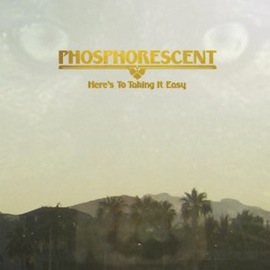
10. Phosphorescent – Here’s To Taking It Easy
Last year, Phosphorescent released To Willie, a straightforward set of Willie Nelson covers. It stands to reason that fans who’d gotten hooked on the band’s cryptic dream-folk stylings might’ve had trouble connecting the dots. Which could very well be the inspiration for Here’s To Taking It Easy, an artful distillation of the two approaches that’s equal parts sweet, lazy country and deep, introspective indie rock. Bandleader Matthew Houck gives his ambitions a rain check here, opting for words and arrangements that sum up where he’s been – touring like crazy, destroying his relationships, then touring some more. The saloon-ready pedal steel and driving horns of “It’s Hard to be Humble” shows he’s not over his Willie obsession, while the haunting mantra “Hej, Me I’m Light” could be a Pride outtake. And “Los Angeles” closes things with a clear-headed swipe at our fame-obsessed culture – “Are they covering you up with affection now?/Are they giving you a lot of attention now?”

9. LCD Soundsystem – This Is Happening
On This Is Happening, LCD Soundsystem’s third straight slab of epic, confessional dance-pop, there’s much of what you’d expect – immersive walls of synths, cold-light-of-morning musings, and a thunderous beat or two. But there’s something new lurking in the impeccably produced weeds, a sense of tension that finds James Murphy writing some of his catchiest material, while simultaneously rebelling against the concept of pop. “You wanted a hit/But maybe we don’t do hits,” Murphy posits on one especially hook-filled tune, which he stretches to a 9-minute running time, stacking ironies and keyboard sounds with equal fervor.

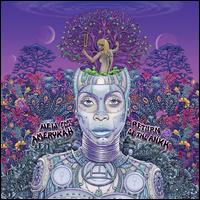
8. Erykah Badu – New Amerykah, Pt. Two: Return of the Ankh
On her fifth album, and second installment of the awkwardly named “New Amerykah” series, Erykah Badu gives us her most commercially viable music of the last decade or so. That’s not to say it’s the kind of glossy, over-emoted sludge that passes for R&B these days – Return of the Ankh goes down easy, but it’s because Badu and her band make these breezy soul grooves look easy. A significant shift from the challenging sprawl of New Amerykah, Pt. One: 4th World War, Ankh begs to be pulled out during the summer months. With the airy funk of “Turn Me Away (Get Munny)” and the slow-burning ode to solo travel “Window Seat” drifting from your speakers, you’ll almost be able to smell the barbecue.

7. Robert Plant – Band of Joy
After the initial shock of Raising Sand, on which Robert Plant sang with a tenderness and clarity he’d only hinted at in the past, it made complete sense that this artist would spend the twilight of his career as a sublime interpreter of classic Americana. Nobody ripped off American blues masters quite as brazenly as Led Zeppelin, and some of Plant’s best work with that band was on its occasional forays into folk and country. With Band of Joy, the legend puts an exclamation point on this revelation, as Plant assembled a Grand Ole Opry-worthy band to help him take on traditional folk tunes and modern numbers by artists like Los Lobos, Richard Thompson and Townes Van Zandt. The result is earthier than Raising Sand, with less focus on harmony and more of a live in the studio feel. Which isn’t to say it’s not beautiful – whether it’s among the echo chamber guitars of “Silver Rider” or the ominous acoustics of “Satan Your Kingdom Must Come Down,” Plant’s voice enchants.

6. Gorillaz – Plastic Beach
Ever since Damon Albarn’s band of animated hipsters released its self-titled debut in 2001, Gorillaz has felt like a lark, a fun side project that let the artist scratch his hip hop itch. But listening to the wildly eclectic sounds, indelible melodies and post-apocalyptic concepts of Plastic Beach, it’s clear that Albarn has realized that his “other” band is the one he was meant to lead. On paper, the formula is pretty much the same as the first two Gorillaz discs – get a crackerjack group of guest artists and let them run wild over chilled-out electronic grooves. But for the first time, the songs are as adventurous as the guests, full of moody Britpop atmospheres, burbling funk jams, aching bursts of R&B and full-on orchestral bombast. “White Flag” acts as a microcosm of it all, combining the hypnotic Eastern melodies of The Lebanese National Orchestra with bursts of playful electro-rap. And when Albarn follows it up with the post-punk ballad “Rhinestone Eyes,” singing about how his love’s peepers glitter “like factories far away,” it becomes clear that there’s nothing at all cartoonish about these Gorillaz anymore.

5. Vampire Weekend – Contra
Oh, it could be so easy to blow off Vampire Weekend, what with their songs about aristocrats, diplomat’s sons and girlfriends’ trust funds. But perhaps because of its unabashed approach to upper crust tropes, Contra possesses a freshness that only a hater wouldn’t acknowledge. Of course, ambitious, effervescent pop hooks make any hyper-educated rich kid lament go down easier, and Contra is stuffed to the gills with ’em, from the falsetto-laden Afro-pop of “White Sky” to the M.I.A.-sampling electro-ska of “Diplomat’s Son.” And tell me one band that’s doing anything like “California English,” where singer Ezra Koenig ponders the deeper implications of using Tom’s of Maine toothpaste in an AutoTune-corrected voice. These kids might be spoiled, but their art is built to last.

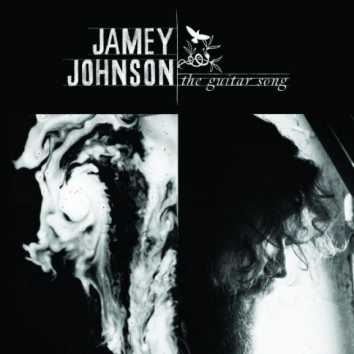
4. Jamey Johnson – The Guitar Song
A double album from the guy who co-wrote “Honky Tonk Badonkadonk”? Sounds like something whipped up by the Satan of my own personal hell. But there ain’t nothing trendy or empty-headed about The Guitar Song, a robust collection of songs with roots in traditional country and production values that gleam like an oil soap-polished bar. Don’t be fooled by the record’s “Black” and “White” subtitles, because Johnson’s interested in grey areas. Whether he’s singing about heartbreak, the plight of the modern farmer or breezy afternoons on porch swings, there’s either a resiliency behind the sadness, or the sense that real happiness is earned. Through it all, the pedal steel licks soar and mourn, the pianos dance in dark corners, and every word is soaked in Johnson’s elegant, commanding baritone.

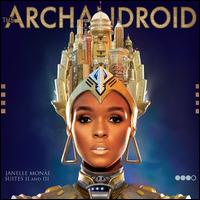
3. Janelle Monaé – The ArchAndroid
An over-the-top cinematic intro segues into an Outkast-meets-Gloria Estefan barnburner, which segues into an equally propulsive dance floor cut on which the vocalist confesses she’s “shaking like a schizo” over sped-up jazz guitar licks. These are the first three tracks of
The ArchAndroid, Janelle Monaé’s concept album about cyborg clones, time travel and futuristic psycho wards. It was the most exciting beginning to an album in 2010, setting a standard that would be tough for Aretha to match for 18 tracks. But Monaé almost does it, thanks to an unflagging creative spirit – from the Willy Wonka strings of “Neon Valley Street” to the English folk melodies of “57821” and the light-as-air romantic pop of “Oh, Maker,” The ArchAndroid is a Baskin Robbins of sonic imagination. If it wasn’t for the out-of-place Of Montreal collaboration “Make the Bus,” we’d be talking perfection here. Still, this is a dizzying accomplishment, one that puts Monaé on a short list of artists who can push the envelope and cross over in the same supercharged breath.

2. The Roots  – How I Got Over
We’ve always been able to count on The Roots to deliver top-notch, head-bobbing grooves and smart, fiery verses – they’re probably the most consistent outfit in hip-hop. But with How I Got Over, these guys haven’t just kept things fresh; they’ve upped the ante. A powerful, nuanced concept album about overcoming all that life can hurl your way, it thrills on first listen, and only becomes more rewarding the more you hit repeat. By masterfully blending their two main stylistic approaches – warm, Native Tongues beats and chilling, confrontational synth-funk – the band is able to paint a thoroughly convincing picture of self-doubt evolving into self-confidence. Black Thought rattles off a laundry list of natural disasters over the gloomy piano chords of “Walk Alone,” but by “The Day,” guest vocalist Blu is looking in the mirror and realizing, “I should start living today.” Moving stuff, in both senses of the word.

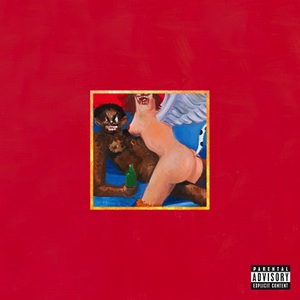
1. Kanye West – My Beautiful Dark Twisted Fantasy
The American Dream ain’t what it used to be. It’s more about power than picket fences. But I’ll stop trying to define it, because Kanye West has created the ultimate tutorial – his fifth album, My Beautiful Dark Twisted Fantasy. In lesser hands, this treatise on the glories and pitfalls of being crazy successful could sound like a Republican Party platform speech. But West’s combination of honesty, outrage, ego and phenomenal wordplay transforms the concept into an irresistible Jekyll and Hyde tale. He describes himself as a superhero and a monster, preaching that “no one man should have all that power” on his first single, while boasting “my presence is a present, kiss my ass” on his second. He’s never been this emotional on record, but he doesn’t let it stop him from writing battle-ready rhymes – for all of the wild psychoanalysis going on, one of the biggest highlights is a Family Matters reference (“Too many Urkels on your team/that’s why you’re wins low”). Musically, MBDTF is just as compellingly schizo. “Dark Fantasy’s” gospel chorus asks “can we get much higher?” Rocky soundtrack-ready synth horns propel “All of the Lights.” The slinky, Smokey Robinson-sampling “Devil in a New Dress” hearkens back to the College Dropout formula. “Monster” is an old-school rap feast, packed with top-notch guests (including a world-beating verse from Nicki Minaj). The result? The most brilliantly produced, fully realized musical vision of 2010. For hip-hop fanatics, casual pop listeners and party animals alike, it’s a garden of earthly delights – lush, intoxicating, and laced with nightmares.

Honorable Mentions: She & Him – Volume Two; Das Racist – Sit Down, Man; Sleigh Bells – Treats; M.I.A. –Maya; Drake – Thank Me Later; Elvis Costello – National Ransom; Of Montreal – False Priest

What’s in my Discman, May 2010

I’m really into albums from 1971 these days, for some reason. I guess I’m just swept up in the memories they inspire – you know, me at -7, eating Tootsie Pops and playing four square while living in the twinkle of my pappy’s eye.

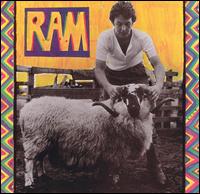
Paul & Linda McCartney – Ram

Like any aspect of Beatles history, the band’s attempt to get back to its roots on its muddled-with-patches-of-brilliance swan song, Let It Be, has been analyzed to death. But you don’t need an insider biography to tell you that Paul McCartney was leading this charge towards stripped down rock and blues constructions. All you need as evidence are his first two solo records, 1970’s jarringly spare McCartney and 1971’s Ram. The latter is the much stronger album, presenting the ideal mixture of the farmhouse rusticity Macca was obsessed with and the gloriously produced melodies that have always been his strong suit. You’ve got the unadorned Delta blues of “3 Legs” and the light, scatman folk of “Heart of the Country,” as well as the beautiful Beach Boys harmonies of “Dear Boy” and the looking-ahead-to-Wings power ballad “Back Seat of My Car.” Unlike any other McCartney album, Ram never goes to extremes; even Linda’s hopelessly flat back-up vocals fit the homestyle milieu. The Cute One went on to do some great things, but he never again made an album as balanced as this.

Bill Withers – Just As I Am

Bill Withers is the quintessential R&B folksinger, and this, his debut album, is prime evidence to back up that claim. Over the course of a dozen tracks, the music world was introduced to the steady, hypnotic bluesiness of Withers’ voice, his soul-infused acoustic guitar playing, and the gut-wrenching drama of his songwriting. Withers tells gripping stories as easily as he delivers those buttery vocal runs – “Grandma’s Hands” mourns the loss of a matriarch; “I’m Her Daddy” is the stirring plea of a man who realizes he has a six-year-old daughter; “Better Off Dead” is a suicide note from an abusive alcoholic. Producer Booker T.’s arrangements are subtle and tasteful throughout, letting Withers’ glue-you-to-your-seat tunes carry the day – just thinking about “Ain’t No Sunshine” gives me goosebumps.

David Bowie – The Man Who Sold The World

Few artists have dabbled with as many different styles as David Bowie. But until I heard The Man Who Sold The World, I didn’t realize that prog-rock and early metal were on the list. Before the pop perfection of Hunky Dory or the conceptual, glammed-out brilliance of The Rise and Fall of Ziggy Stardust and The Spiders From Mars, there was this album – a loud, roughshod recording dominated by huge guitars and huger concepts. “Running Gun Blues” is an unflinching Vietnam critique, “All the Madmen” a harrowing depiction of a man about to be released from a sanitarium, “Saviour Machine” a plea from a governmental leader to help him kick his power addiction. It’s all bathed in chugging Sabbath riffage and epic early-Zeppelin arrangements – while the towering melodies and glamorous sensibilities of classic Bowie are ever-present, the guy never rocked harder than he does here.

1,000-pound Gorillaz

On Plastic Beach, the third effort from the virtual space rock/hip hop group Gorillaz, bandleader Damon Albarn has a revelation akin to that of a Jane Austen character. Ever since his band of animated hipsters released its self-titled debut in 2001, Gorillaz has felt like a lark for Albarn, a fun side project that let him scratch his hip hop itch and do other things he couldn’t do with his primary creative outlet, the much-beloved Britpop group Blur. But at some point over the last few years, the singer/songwriter/producer realized that Gorillaz was more than just a cool diversion. Listening to the wildly eclectic sounds, indelible melodies and post-apocalyptic concepts of Plastic Beach, it’s clear that Albarn has realized that his “other” band is the one he was meant to lead.

On paper, the formula is pretty much the same as the first two Gorillaz discs. Get a crackerjack group of guest artists and let them run wild, countering their ebullient contributions with chilled-out electronic grooves and Albarn’s levelheaded vocals. But Plastic Beach is something more than its thoroughly entertaining predecessors – it’s the result of a fully realized vision, in which every pop hook, stylistic twist and pseudo-sci-fi moral has its place.

The loose concept behind the album isn’t going to win any fiction prizes, but the idea of the world as an industrial wasteland marked by lifeless, synthetic shores is an effectively harrowing one. And it’s more than enough for Albarn and his star-studded peanut gallery to sink their teeth into, whether it’s Mos Def and Bobby Womack breathing soulful fire into the early-Depeche Mode groove of “Stylo,” De La Soul gleefully rapping about futuristic fast food on “Superfast Jellyfish” or Lou Reed lending his incomparable monotone to the gloriously catchy “Some Kind of Nature.”

For the first time, Albarn has made a record that’s as adventurous and bold as its guests, full of moody Britpop atmospheres, burbling funk jams, aching bursts of R&B and full-on orchestral bombast. The magnificent “White Flag” acts as a microcosm of it all, combining the hypnotic Eastern melodies of The Lebanese National Orchestra with bursts of playful electro-rap for a track that has an immediacy and personality all its own. And when Albarn follows it up with the emotionally resonant post-punk ballad “Rhinestone Eyes,” singing about how his love’s eyes glitter “like factories far away,” it becomes clear that there’s nothing at all cartoonish about these Gorillaz anymore.

Like Emma Woodhouse, Damon Albarn has realized that his real muse was right in front of his face all of these years. And he’s made it awfully hard to not fall in love with Plastic Beach.