Bucky = Sucky

bucky-covington-closeup-9_3Mom and dad,

I reviewed an acoustic country showcase a few weeks ago, featuring American Idol alum Bucky Covington and fellow up-and-comers Justin Moore and Chris Young. Sorry it’s taken me so long to post – I was too busy forgetting mom’s birthday.

Young was very impressive, with a strong voice, compelling songs and an excellent lead guitarist in tow; Moore was fearless and flag-waving, showcasing some great pipes and one tune that bordered on hate-mongering; Covington was a pathetic joke.

The other two guys exemplified what’s great about the country music mystique – hard-working, salt-of-the-earth dudes with sensitive sides the size of Wyoming. Especially in this context, Bucky’s pop ballads just sounded silly; the final version of my review describes his hit “I’ll Walk” as “saccharine,” but my original draft described it as a “saccharine turd,” which is closer to the mark.

Please sir, may I have some Mo’?

Mom and dad,

I’ve been requested to post links to my Buffalo News reviews, as opposed to plopping the text in here. So here’s a link to my review of Keb’ Mo’s performance at the Seneca Niagara Casino this past Monday. I always knew the guy was talented, a true bluesman, but was surprised at how straight-up beautiful some of his songs can be. After seeing this show, the first thing I did was download “Life is Beautiful,” and it’s been on a loop all week long. Check it.

Top 100 Albums of the 2000s (49-25)

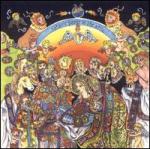
mmj49. My Morning Jacket – Evil Urges (2008)
Before Evil Urges, listening to My Morning Jacket was like getting slowly drunk on a great bottle of wine, without the crusty red lips and ungodly hangover. Jim James’ voice is somewhere in between Neil Young and a member of the heavenly host, and on his band’s early records, it took their psychedelic-country-rock sound to spine-tingling heights. But here, James uses his unique timbre to get a little freaky, employing his falsetto with relentless glee on the Tone Loc-meets-Prince jam “Highly Suspicious.” While that cut is the most jarring departure, the rest of Evil Urges provides more telling evidence of the band’s evolution – MMJ now prefers a well-crafted pop sheen to that old Crazy Horse jangle.
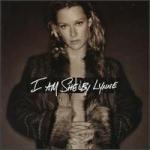
lynne48. Shelby Lynne – I Am Shelby Lynne (2000)
It was only 25 days into the 2000s, and the contemporary country music of the decade had peaked. After kicking around Nashville for a decade or so, Shelby Lynne struck gold with her sixth album, which didn’t just show that country-pop could sound organic, warm and seductive, but also positioned the singer/songwriter as the heir apparent to Dusty Springfield. These are the kind of songs Sheryl Crow wishes she could come up with – especially the tear-streaked, girl group R&B of “Your Lies,” the Bonnie Raitt-ish phrasing and impeccably arranged horns of “Why Can’t You Be,” the sweet, nostalgic soul of “Where I’m From.” The record earned her a much-deserved Grammy, but it was for Best New Artist, proving that the Grammys are run by ignorant puds.

whiskeytown47. Whiskeytown – Pneumonia (2001)
For the first half of the 2000s, Ryan Adams couldn’t stand the heat, but remained firmly in the kitchen. His promising 2000 solo debut, Heartbreaker, started the hype train rollin’, and by the time Gold came out a year later, Adams seemed to have all of singer/songwriter-dom on his jean-jacketed shoulders. It was all downhill from there – the guy released seven albums from 2000-2005, preferring to be prolific instead of good. And through it all, this album, the third and final release from the Adams-led alt-country juggernauts Whiskeytown, was lost in the shuffle. Full of the heartfelt ’70s AM pop that marked Adams’ best solo albums, as well as the swirling fiddles and steel guitars of band members Caitlin Cary and Mike Daly, Pneumonia is a real masterpiece. It’s joyful, sad, ingratiating and experimental, and proof that Ryan Adams has chops indeed.

sparklehorse46. Sparklehorse – It’s A Wonderful Life (2001)
At first blush, this album has one of the most sarcastic titles in rock history. Sparklehorse records were never all that positive before this one, but It’s A Wonderful Life finds Mark Linkous taking his fragile, lo-fi songs to newer, weirder depths of despair. But Linkous isn’t one to joke, and after living with this album for close to a decade, the streaks of hope are easy to spot, like drops of glitter glue on black construction paper. The earnest whisperings of the title track aren’t ironic – when Linkous compares himself to a dog that ate your birthday cake, there’s plenty of self-loathing going on, but also a sense of appreciation for how it feels to be alive, running free with frosting in your hair.

portishead45. Portishead – Third (2008)
For better or for worse, much is made about the amount of time it takes for a band to make an album – if it’s quick on the heels of a previous release, we tend to expect something rawer and more “real;” if it’s 11 years between records, we tend to expect a Chinese Democracy-level disaster. But with Third, trip-hop pioneers Portishead exposes these critical expectations as hogwash. Their first studio album since 1997 is a natural progression of its sound, not some overproduced, micro-managed bomb. You could say that the album has more “trip” than “hop,” eschewing the turntable theatrics of yore for even moodier electronic and post-punk panoramas. Beth Gibbons’ voice is as hauntingly beautiful as ever, whether it’s navigating through the drum-loop explosions of “Machine Gun,” the space-folk picking of “The Rip,” or the subterranean ukulele vignette “Deep Water.” This is music that’s worth any kind of wait.

grizzlybear244. Grizzly Bear – Yellow House (2006)
Dreamy, hyper-vocalized folk music ain’t just for hippies anymore. Or at least this album ain’t – a gorgeous, ethereal platter of plaintive acoustics and reverberating harmonies with roots in CSNY and aspirations towards outer space. Grizzly Bear’s second LP might not have been the record that got them noticed on a grand scale, and that’s probably fitting. Where 2009’s Veckatimest finds the group reaching even higher, Yellow House is a humbler attempt at fusing ’60s pop and country with a flair for spaciness that makes the band an organic American counterpoint to Radiohead. That’s high praise, indeed, but when the swirling, atmospheric vocals of songs like “Knife” float through your headphones, you’ll understand how much Grizzly Bear deserves it.
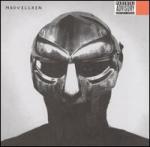
madvillain43. Madvillain – Madvillainy (2004)
MF Doom’s second appearance on this list is for this project with the omnipresent producer Madlib – the pair has piles of excellent tracks to their credit individually, but Madvillainy is the high watermark of both of their careers. Madlib’s beats are deliciously strange throughout – a fusion of campy lounge charts, crunching drums and hissing vinyl noise – and Doom nestles into them like they’re his childhood bed, using his comic book obsession to inspire superhuman verses that often comprise entire tracks. With most of these cuts coming in under the two-minute mark, Madvillain is able to overstuff this disc with eccentric grooves and unforgettable plays on words. For fans of smart, boundary-pushing hip hop, spinning Madvillainy for the first time must be somewhat akin to finding the Holy Grail.

harcourt42. Ed Harcourt – Here Be Monsters (2001)
There’s no doubt about it – Ed Harcourt’s favorite Beatle is Paul. As the singer/songwriter/shameless over-emoter’s career took flight in the 2000s, his best work was full of the Cute One’s head-over-heels-in-love themes, executed in a pretty, irony-free way. His best work being this album and little else, unfortunately. The kaleidoscopic productions that followed Here Be Monsters tended to be too rich for even a Wings fan’s blood, suffocating Harcourt’s sweet sentiments under merciless strings and long, meandering constructions. Given this context, Harcourt’s first proper album sounds all the more endearing, using piano, trumpet and the occasional orchestra to deliver his tender, desperate love songs. It’s one blissful pop moment after another, the kind of transportive album where the refrain “You’re the apple of my eye” feels heartfelt, and not the least bit cheesy.
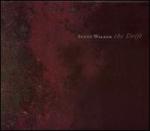
walker41. Scott Walker – The Drift (2006)
Halloween is approaching as I write this little review – the perfect time of year to shut off the lights, put The Drift on repeat and let your head fill up with nightmares. A death-obsessed collection of avant-cabaret dirges, Scott Walker’s 13th album is utterly unrelated to his most famous work, crooning ’60s pop hits like “The Sun Ain’t Gonna Shine Anymore” as the leader of The Walker Brothers. The Drift is marked by murky, unpredictable atmospheres, sickly, dissonant strings and stabbing notes that shock you out of your seat with slasher-film quickness. Walker writes lyrics about Benito Mussolini’s assassination and Elvis Presley’s stillborn twin brother, and sings them with operatic intensity. It’s as disturbing as music gets, short of a Dave Matthews concert.

harvey40. PJ Harvey – Stories From The City, Stories From The Sea (2000)
On her essential ’90s albums, Rid of Me and To Bring You My Love, PJ Harvey could have gotten along on persona alone. Of course, whether she was playing the role of furious punk visionary or Nick Cave-ish chanteuse, she always had fantastic songs and a raw, singular style to back it up. On Stories From the City, Stories From the Sea, she put her image on the back burner and relied exclusively on her chops. As a result, we got a dozen focused tunes that manage to the most universally appealing of her career, without compromising her trademark mix of determined riffs and dramatic vocals. “Big Exit” is the kind of song she can write in her sleep these days, with two churning chords and a fatalistic narrator; the Thom Yorke duet “The Mess We’re In” is as spellbinding as you’d expect, and the muted ballad “Beautiful Feeling” is a thoroughly convincing expression of love’s exhilarating sting.
smith39. Elliott Smith – Figure 8 (2000)
This album closes out one of the most heartbreakingly brilliant trilogies in folk-rock history, made all the more poignant by the fact that it’s the last Elliott Smith album to be released during the singer/songwriter’s life. The death of an artist can make you look at his or her former work in a different light, but with Smith, the knowledge of his intensely personal demise didn’t really add anything to the experience. It’s intensely personal songwriting, after all, and Figure 8 is marked by the grim acceptance of a lonely future. An ex-lover is “just somebody that I used to know.” When “everything reminds me of her,” it’s something that happens in spite of the narrator’s best efforts. Hell, there’s a song called “Everything Means Nothing To Me.” Smith continues down the lushly produced path that he mastered on 1998’s XO, and while you can make the argument that these two albums aren’t as intimate as his beloved Kill Rock Stars recordings, I’ll take this mixture of pain and pleasure every day of the week.
lilwayne38. Lil Wayne – Tha Carter III (2008)
It was easy to criticize mainstream hip hop in the 2000s, with artists like Nelly, Soulja Boy and 50 Cent offering up endless fodder. But you needed huge blinders to ignore all the great popular rap that this decade gave us, including Tha Carter III – that rare massive hit album that deserves every penny it earned. This sprawling, narcotic masterpiece is equal parts swagger, crass materialism and soul-searching introspection, and it brought Lil Wayne to the elite level of the artists that he neurotically name-drops – Jay-Z, Andre 3000, Biggie, etc. Full of woozy humor, ridiculous egotism and surprising tenderness, Tha Carter III pairs the emcee’s seemingly top-of-mind observations and smoke-ravaged voice with an impressively eclectic stable of beats – the chipmunk soul groove of “Mr. Carter,” Robin Thicke’s sexy guitar lick on “Tie My Hands” and the otherworldly keyboards and pounding drums of “Phone Home” being the most transcendent. Forget how frickin’ popular the thing was; it’s the defining moment of one of the boldest, most entertaining voices in modern hip hop.

outkast37. Outkast – Speakerboxxx/The Love Below (2003)
Of all the great singles that were released in the 2000s, a disproportionate amount of them were hip-hop or R&B tunes. And while Kanye West has a legitimate claim to the “singles king of the decade” title, my vote would go to Outkast. Faced with the unenviable task of following up Stankonia, Andre 3000 and Big Boi thought big, putting together a double album, with one disc each to reflect their distinct personalities. It’s not as good as its predecessor, but then again, few things are. And it has some unbelievably infectious cuts – “Hey Ya” is that rare pop masterpiece that can never be overplayed; “Unhappy” is an airy, irresistible R&B groove that fits beautifully with its “might as well have fun” philosophy; “She Lives In My Lap” is a sea of synthesized eroticism that would make Prince proud. Dre’s The Love Below side is as adventurous as expected, mixing jazz crooning, drum and bass instrumentals and synth-funk jams with aplomb, and Big Boi’s Speakerboxxx is less ambitious and more cohesive, boasting some masterfully slick funk jams and those trademark machine gun rhymes. This could end up being the last great Outkast album. But it’s going to be a hell of a long time before it gets old.

weakerthans236. The Weakerthans – Reunion Tour (2007)
I often find myself loving a sad movie, and then vowing never to see it again. Wouldn’t there be something wrong with a guy that wanted to watch Vera Drake over and over again? Perhaps wussy, emotional rockers are more my thing, but the music of The Weakerthans possesses the kind of sadness that I can’t get enough of. And this Winnipeg band’s most recent record is their most triumphant achievement, 11 tracks that look at life and love through the panes of a rain-spattered picture window. John Samson’s lyrics are as poignant as ever, sympathizing with cryptozoologist crackpots and aging ex-goaltenders, and exploring feelings of uselessness through a housework metaphor that’s just heartbreaking. I’ve painted an awfully morbid picture here, but these songs are also full of excellent hooks – Reunion Tour gets you humming along to themes of introspective turmoil. And “Utilities,” that song about uselessness, features what might be the most emotionally effective guitar solo of the decade.

whitestripes235. The White Stripes – De Stijl (2000)
Led Zeppelin did some mind-blowing stuff once they spread their wings in the early ’70s and looked beyond the raw blues of their first two albums. But they also never rocked harder than they did in the early days. You can draw a pretty fair parallel to The White Stripes in this decade, a band that blew us away with two threadbare indie-blues-rock masterpieces, then went on to a slightly more polished sound and loads of success. So for all of the wonderful work that Jack and Meg did after this album and White Blood Cells, these records remain the essence of what makes them great. And De Stijl is the best of the best, because it’s almost completely unadorned, relying on a few chords and loads of guts to connect with listeners, and succeeding on every single track. The guitar playing on cuts like “Hello Operator” and “Death Letter” is blisteringly good, and “Apple Blossom” is an ingenious pop song about love’s therapeutic power – like Zep’s “Black Mountain Side,” it’s just the kind of out-of-leftfield brilliance you’d expect from a young band poised to take over the world.

lcdsoundsystem34. LCD Soundsystem – Sound of Silver (2007)
Imagine if David Byrne was never seduced by the melodies and rhythms of world music, and had an affinity for club jams instead. You’d get something approximating LCD Soundsystem, the brainchild of singer/songwriter/beat-maker James Murphy. On his second album, Sound of Silver, Murphy shows us just how emotionally and sonically riveting electronic music can be, layering subtly catchy melodies over head-trip productions like the sublime one-two punch of “Someone Great” and “All My Friends.” And his lyrics are up to the challenge, dealing with the loss of a loved one on “Great,” and the sobering onset of adulthood on “Friends.” Then there are the fantastic dance-punk grinders he’s known for, like “North American Scum,” and the clever, Beatlesque closer, “New York I Love You, But You’re Bringing Me Down.” If there could somehow still be electronic music naysayers out there, this is the album that will shut them up, once and for all.

bird233. Andrew Bird & The Mysterious Production of Eggs (2004)
It’s a nifty little feat for an artist to be both accessible and undoubtedly unique, and Andrew Bird has fit both descriptions since his days fronting the Bowl of Fire, whose excellent 2001 album The Swimming Hour missed this list by a hair. The singer, songwriter and violinist has really come into his own since going solo, however, and The Mysterious Productions of Eggs is the high watermark of this fruitful era. This is the perfect mix of Bird’s whimsical and adult alternative sides, a tapestry of weird, gorgeous songs about nervous tics, psychological diagnoses of children, birthdays and opposite days. The violins swirl and the guitars build, and Bird’s heady couplets seal them together with SAT words that are as beautiful as they are cerebral. Chill-inducing stuff, all of it.

case232. Neko Case – Middle Cyclone (2009)
Neko Case’s fifth album finds her at the peak of her abilities, channeling Emmylou Harris and Jeff Tweedy in her reverb-laden alt-country soundscapes, and the devastating power of Mother Nature in her lyrics. When a singer/songwriter name-checks the natural world, we expect it to be a treatise on peace and beauty. But on Middle Cyclone‘s opening cut, “This Tornado Loves You,” the narrator is a fearsome storm, destroying towns and villages in her search for the love that got away. The lilting Sparks cover “Never Turn Your Back On Mother Earth” turns the tables on the standard abuser-victim relationship between mankind and the environment. On the title track, Case lets her guard down to confess the pain of a loveless life, but she finds her strength by the end – “But I choke it back/How much I need love.” The record is a gorgeous examination of love’s warts and blossoms, and by the time you get to its final cut – more than a half-hour of cricket-laden nature sounds – it feels less like a soothing sleep aid and more like a beautiful, potential threat.

scott31. Jill Scott – Who is Jill Scott (Words and Sounds, Vol. 1) (2000)
Music didn’t get more soulful in this decade than on Jill Scott’s debut album, a passionate, organic slab of R&B tinged with hip-hop, funk and spoken word. Whether she’s proselytizing about great food (on the magnificent extended jam “It’s Love”) or discovering a boyfriend’s infidelity (the clever poetic interlude “Exclusively”), Scott makes a personal connection to the listener. This is not a pop album by a worship-seeking diva; it’s real stuff, delivered with the honesty, fallibility and raw talent of a real artist. All of the genres tapped here are clearly beloved by the singer/songwriter – soul/hip-hop hybrids were big sellers in the 2000s, but Scott’s rap cred is as legit is gets. (She co-wrote “You Got Me” with The Roots, for Chrissakes.) It all just adds to that feeling of realness. The artist’s voice is unnaturally powerful, to be sure, but when she invites us to take a long walk, it feels as familiar as an old friend.

west30. Kanye West – Late Registration (2005)
The reactions that I’ve heard to Kanye West’s latest ill-advised award show stunt have been disconcerting. Sure, it made him look less than dignified. But I get the feeling that people are rejoicing in his embarrassment – Jay Leno brought up his recently deceased mother in an interview with West, a pathetic attempt at a Hugh Grant redux that some folks I know thought was just awesome. I think some people have had animosity towards West since his brilliant Katrina-era Bush bashing incident, and now that they have something they can outwardly criticize that doesn’t make them look racist, they’re going to make the most of it. Me, I’m going to dig even deeper into his music, which injected some much-needed emotion and sensitivity into mainstream hip-hop, paired with some of the greatest productions that the genre has ever seen. Late Registration cemented West as a superstar, thanks to the ingenious “Gold Digger,” but there’s a lot of pain and introspection here too, like the hospital waiting room poetry of “Roses” and the parental appreciation jam “Hey Mama.” As the second installment of his higher education-themed trilogy, the album finds the artist in the middle of an especially confusing and rewarding semester – full of unbelievable success and all the self-doubt that comes with it. And it’s this kind of honesty that will keep West’s music interesting and universally palatable, no matter how many teenybopper speeches he interrupts.

aesoprock29. Aesop Rock – Labor Days (2001)
When you’re a rapper with incredible command over an expansive vocabulary, it’s gotta be tempting to stuff every millisecond of your songs with syllabic fireworks. Aesop Rock is such a rapper, and on his first album at least, he managed to keep his powers in check enough to make a real masterpiece. Oh sure, Labor Days is lyrics-first hip-hop, all bizarre metaphor and spacey simile, but there are also some tight, unforgettable message tracks here that prize story over vocab – the follow your dreams tale “No Regrets” and the take this job and shove it mantra “9 to 5ers Anthem” being especially effective. The MC went on to become a victim of his own verbosity on later records, but not before giving us an independent hip-hop classic.

winehouse28. Amy Winehouse – Back To Black (2006)
Everyone loves to hear stories about the tragically talented. And while I’m not writing off Amy Winehouse to the point of lumping her in with Joplin and Hendrix – she could still have a very long and fruitful career, after all – there’s no doubt that she was the most gifted artist of the 2000s to get more attention from the tabloids than anywhere else. Of course, none of Winehouse’s extra-curricular activities matter unless you’re a friend or family member. What’s worth discussing is this, her second album and ticket to worldwide acclaim. Back To Black didn’t just take listeners by storm with its mascara-streaked mix of girl-group pop and last call laments, it inspired a mini retro revolution of copycats, both respectable (Adele) and forgettable (Duffy). These are songs about loneliness, regrets and drunken mistakes, dressed up in Phil Spector’s finest duds and sung in Winehouse’s deep, earnest tenor. Whether you’ve screwed up your life or just want to sing along to a killer groove, this is ideal stuff.

common27. Common – Be (2005)
In 2005, Kanye West released his triumphant Late Registration album, a thoroughly pleasing listen for both snotty critics and folks who just want the singles. But in the same year, another Chicago MC released a record that was tighter and even more soulful than said smash. Be was the follow-up to Common’s sprawling, psychedelic experiment, The Electric Circus, and in this context it’s a lean, mean, head-bobbing machine. It’s as focused as the rapper has ever been – even the excellent Like Water for Chocolate got fanciful at times, and none of Be’s 11 tracks meander, including the eight-minute closer “It’s Your World/Pop’s Reprise,” which features the MC’s father delivering some thought-provoking poetry about the understanding of self. From the sweet eroticism of “Go” to the courtroom soap opera “Testify” and the monogamy shout out “Faithful,” every song is what it is, coupling effective storytelling with beautifully interpolated classic soul samples. It’s Common’s ultimate achievement – a hip hop album that nourishes you from head to toe.

blackalicious26. Blackalicious – Blazing Arrow (2002)
Blackalicious is a group with major weapons, and on its second album, they’re straight-up deadly. The California duo’s one-two punch of rapper Gift of Gab and producer Chief Xcel is as good as it gets on Blazing Arrow, a record that captures the MC’s unbelievable speed and dexterity without getting too wordy and features some wonderful, eccentric sample choices from Xcel. Like the title track, for example, which repurposes the chorus from Harry Nilsson’s “Me And My Arrow” to create an entirely unique bit of avant pop-rap. This is followed by the stunning, ominous “Sky Is Falling,” which features a chorus of female vocalists detailing disasters to come – a bone-chilling, hip-hop take on The Furies. Gab and Xcel refuse to stick to one mood or texture throughout, going from ultimate feel-good anthems (“Make You Feel That Way”) to battle rap exercises (“Chemical Calisthenics”) without worrying too much about padding the transitions. It’s a cornucopia of vibrant, first-rate hip-hop, an adventure of a listen from track one to 17.

feist225. Feist – The Reminder (2007)
Forgive this paraphrase of an Everly Brothers/Orbison/Nazareth classic, but love aches. And nothing was able to capture this ache more convincingly in the 2000s than the voice of Leslie Feist. On her second album, The Reminder, the Canadian songstress uses those soft, expressive pipes to drive home a clutch of pop-folk songs that are as delicate as can be. Whether it’s the sharp ache of regret, the pleasurable ache of a new romance or the dull ache of a relationship’s demise, Feist makes listeners feel it, thanks to a markedly un-showoffy delivery and an eclectic mix of arrangements. There are the joyful glockenspiel plinks of “I Feel It All,” the serpentine piano of “My Moon My Man,” the mournful cello of “Limit To Your Love.” As a result, what sounds like a downer of an album on paper is a multi-faceted treatise on love that rivals Joni Mitchell’s Blue.

A shot of Teshtosterone

tesh

Mom and dad,

I saw John Tesh last Saturday, and it was as painful as live music gets. Remember when Uncle Mike sang “Brick House” in a speedo at the Sweeney Summer Picnic? This was worse.

A tsk-tsk night for tepid Tesh
October 11, 2009, edition of The Buffalo News

Saturday, Oct. 10, marked the birthdays of David Lee Roth, Brett Favre and Ben Vereen.

This is the kind of information you used to be able to get from John Tesh. Now, after leaving his gig as co-host of “Entertainment Tonight” for a wildly successful career writing and performing dentist’s office music—or instrumental pop or new age, whatever you prefer— Tesh has found fame in yet another arena, as the host of a hugely popular syndicated radio show.

Called “Intelligence for Your Life Radio,” the show combines self-help talking points, fun facts and music, and judging by its success—it’s on 300 stations nationwide—a lot of people believe they aren’t intelligent enough, and that John Tesh is the man to make them smarter.

His concert Saturday night in Buffalo State College’s Rockwell Hall was a mix of his radio show schtick and music. It opened with some little self-help nuggets projected on a screen that said watching the news before work will make us more likely to have a bad day, and that hugging our kids will stimulate their brain cells and make them smarter.

Then, Tesh took the stage backed by a three-piece group of considerable ability. And they started off with a bang (at least considering the context of what was to follow). “Barcelona” brought Tesh’s sound closer to the realm of prog-rock, pairing classical piano flourishes with big guitar licks and lots of stops and starts.

This was followed by the solo piano instrumental “Heart of the Sunrise,” a song that could be described as “pretty,” only because it’s a softly played mash-up of major scales that ends with a big, high-octave trill. Tesh knows and loves this genre of playing, and I don’t, so it’s a bit unfair to criticize his style. All I’ll say is, what it possessed in accuracy, it lacked in nuance. This is fine for background music, but for something under a spotlight?

Tesh’s set continued, with some nicely delivered personal stories and pieces of intelligence for our lives. It’s no coincidence that the guy has found massive success in multiple mediums — he’s charming, deep-voiced and sure of himself, and knows how to work a crowd. One of his intelligence bits included a listing of things that are full of germs that we can’t avoid touching — e. g. hotel room remotes, restaurant menus, elevator buttons. How this is going to help me, I’m not sure.

After giving a really good tutorial on the fretless bass, explaining why it’s both a difficult and freeing instrument, Tesh played “Garden City,” another vanilla instrumental.

A few songs later, we were treated to “Trading My Sorrows,” an abysmal attempt at Springsteen-ish pop that perpetuates the stereotype that all Christian rock stinks. As Tesh sang, “Yes, Lord!” over and over again, and a hip-hop dancer did his robotic moves on the side of the stage, I must admit I was confused. Maybe if my parents had hugged me more. . . .

Ben Folds: Big and Important

I reviewed Ben Folds’ performance last week with the Buffalo Philharmonic Orchestra. While it threatened to be a snoozer early, it ended up being quite a memorable evening, even though the crowd’s rapturous request for a second encore was denied (probably because the BPO had gone through all the charts it had learned).

Nerd-do-Well
Ben Folds hits it off with the BPO.
October 9, 2009, edition of The Buffalo News

At its peak in the mid-’90s, the Ben Folds Five had all the makings of a great nerd-rock band — cathartic, catchy songs that rage about childhood bullies and mean girls one second, and express openhearted sensitivity the next. Oh yeah, and these guys had no use for that most popular, and intimidatingly phallic, of rock instruments — the guitar. The bandleader and namesake of the snarkily named trio wasn’t some beautiful, testosterone-soaked ax-slinger. He was a piano man.

But not in the Billy Joel sense, thank god. When Ben Folds shared his copious gifts with the ornate backing of the Buffalo Philharmonic Orchestra in Kleinhans Music Hall on Thursday night, the resulting sounds had more depth, personality and charming irreverence than your average ivory-tickling pop star.

Folds, now almost a decade into his solo career, has always been a two-trick pony. For the most part, he’ll give you key-punishing, supercharged rockers or big, dramatic ballads, with all of it dripping in irony, teen angst, or both. And while some of his more elegant compositions are knock-you-on-yourtuchis great, especially his early Ali ode “Boxing,” the North Carolina native is at his best when he’s beating his piano into oblivion, a Jerry Lee Lewis in cappuccino frames that’s none too afraid of pop hooks and huge blasts of harmony.

I bring up Folds’ occasional weakness for sappy balladry because it negatively affected this show, if only slightly. Naturally, when putting together a set list to perform with full orchestral arrangements, Folds leaned more toward his softer side. But as a result, he shared some of the most boring tunes of his career, like “Smoke,” an overlong snorer of a relationship eulogy on the otherwise incredible “Whatever and Ever Amen” album, and “Cologne,” another unremarkable ballad off his most recent solo effort “Way to Normal.”

This was still a very good concert, however. Some frolicking woodwinds and somber strings made “Smoke” more interesting, and Folds eventually injected some energy into the night with far more pleasing selections. “Lullabye” was the first win, a gentle, bluesy and ultimately explosive gem that showcases all of the artist’s talents — simple, ingratiating chords and lyrics, some dramatic flair as the tension builds, thrilling lower-octave key bashing and unforgettable jazz soloing.

“Not the Same” was another dizzying high point. The artist stepped away from the piano on this one, letting the BPO take center stage with a playful arrangement of the song, which Folds described as being “about a guy who climbed a tree on acid.” But most memorably, the artist turned the Kleinhans audience into an “instant choir,” teaching us the main refrain beforehand by stacking the harmonies on his piano. Every time the chorus came around, the entire building was singing in three-part harmony — it was as spine-tingling as audience participation gets.

Folds also shared a pair of songs from a new album in progress, which will feature lyrics by novelist and established music geek Nick Hornby. One of these, a tale about a fictional aging rock star who had a hit in the ’70s called “Belinda” and can’t stand singing it every night for the memories it dredges up, was fantastically clever.

From this point, it was all golden. The big-band groove of “Steven’s Last Night in Town” was ideal for the setting; “One Angry Dwarf and 200 Solemn Faces” combined the punch of the recording with some frantic string section bowing. For the encore, Folds saved the best.

“Narcolepsy” was the opening track on Ben Folds Five’s last, most ambitious album, 1999’s “The Unauthorized Biography of Reinhold Messner.” It’s a huge, bombastic, Queen-like production with stunning dynamic shifts, and to hear it performed by a live orchestra was a treat indeed.

As Folds walked toward the wings to a standing ovation, there was no doubt about it. The guy can still nerd-rock our socks off.

Mozzarella Styx

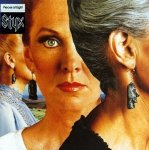
album-Styx-Pieces-of-Eight

Last week, I saw Styx for the second time in two years. I’ve always hated their music, but seeing them the first time was kind of fun, in that so-bad-it’s-good kind of way. This second exposure to the cheese rock kings was a bit tougher to swallow, however.

Styx’s Schtick
Band’s familiar sound might be overkill, but it comes off great
September 18, 2009, edition of The Buffalo News

NIAGARA FALLS, Ont. — It’s easy for music nerds to cry foul about the kinds of concerts that our area tends to attract. After all, there’s always some too-hip-for-you-to-have-heard-of indie rock band out there that’s never played Western New York or Southern Ontario. But there’s at least one niche of the concert-going population that has absolutely nothing to complain about — fans of big, dumb arena rock from the ’70s and ’80s.

As I settled into my seat in Niagara Fallsview Casino’s Avalon Theatre on Thursday night, getting ready to take in the first show of a two-night stand from Styx, I wondered if fans of this type of band are more religiously devout than the rest of us. God has certainly answered their prayers lately — it’s been less than a year since the last pair of Styx shows at Fallsview; REO Speedwagon played there in April; Journey performed at Darien Lake a few weeks ago. But when Tommy Shaw & Co. hit the stage to a cacophony of worshipful cheers, it became clear that the answer to my cheese-rock quandary wasn’t of a spiritual nature. These guys just rake it in when they hit our neck of the woods.

While I’m not going to pretend I don’t find Styx’s concepts corny and their approach to hard rock laboriously polished, it would be ridiculous to bash them unmercifully. Because even though original lead singer Dennis DeYoung left the group awhile back, the quintet sounds excellent, re-creating the shameless bombast of their most popular recordings with energy and flair.

A lot of Styx’s seamless live sound has to do with two relatively newer additions to the lineup — keyboardist/vocalist Lawrence Gowan and drummer Todd Sucherman. Gowan is a rock star in his own right, whose Canadian Top 10 singles include the 1985 smash “A Criminal Mind.” As he shared his classically trained piano chops and John Lennon-esque voice, his countrymen in the crowd showed their appreciation. Sucherman’s drum kit was a massive thing, and he used every inch of it on his wild, commanding fills.

The group was firing on all cylinders, and it was a shame that such synergy was wasted on junk like “Lady” (I’ve never thought a girl would be smitten by a guy that calls her “lady,” but whatever). And for the folks who saw their last tour, it’s too bad that they haven’t changed things up all that much. Their “Styx-ified” cover of “I Am the Walrus” was pretty impressive the first time around, but it felt like old news Thursday, and the story Shaw told leading into “Crystal Ball” was pretty much identical as the one he told in ’08.

The positives — “Too Much Time on My Hands” was as catchy as ever; the watered-down Who riffage of “Grand Illusion” was silly in a good way, and “Suite Madame Blue” was performed beautifully, even though it’s a complete rip-off of Zeppelin’s “Babe, I’m Gonna Leave You.”

And if you’re a sucker for cliched rock star moves like guitarists showing you their instrument while they solo, screams of “Are you ready to rock!” and gratuitous pick tossing, Styx’s schtick would have you begging for more.

Great Big Sea, reviewed by Great Big Me (I’m fat)

I saw those princes of Newfoundland, kings of Canada, Great Big Sea over Labor Day Weekend at the Erie Basin Marina. They were aight – the Irish drinking song stuff was fun, but the standard pop songs were pretty bland. Opening act Kathleen Edwards was fantastic, combining sturdy country-rock tunes with rich, Neko Case-ish harmonies. Check the review, complete with Moxy Fruvous shout-out:

City offers Great Big homecoming
September 06, 2009, issue of The Buffalo News

When music is distinctly regional, it can be as helpful as a travel agent. And like the gritty realism of a New York City rapper or the no-frills charm of a Buffalo bar band, Great Big Sea’s music gives some deep insight into its place of origin — the open skies and frowning, ocean cliffs of Newfoundland.

The band is touring in support of its ninth album, “Fortune’s Favour,” a collection of tracks released this past June that continues to explore the spaces between modern rock, Celtic music and traditional Newfoundlander folk songs—a unique place on the musical atlas that has defined the group since its independently released debut album in 1993.

It came as no surprise that Great Big Sea’s performance at Erie Canal Harbor on Saturday night was stuffed to the gills with fans, bouncing along in unison to the band’s high-powered drinking songs and singing along to the poppier stuff — our city has long been a big supporter of the group, boasting the kind of following that they’re used to seeing north of the border. So it was that a band from the northern tip of Canada played a show in Western New York that felt like a homecoming.

Led by a trio of original members, including Bob Hallett, who is a wizard of a multi-instrumentalist, the band gave a hungry Labor Day weekend audience the stomping singalongs and sea shanties they came for, along with more straight-ahead modern rock favorites like “When I’m Up (I Can’t Get Down).” The more rollicking stuff was a smashing success, especially the salty and spirited “Captain Kidd.” And it was wonderful to see Murray Foster on bass — a former member of the sadly defunct Moxy Fruvous. But when they put the fiddles and accordions away and tried to sing pop songs like “Something Beautiful,” things got a little schmaltzy. I couldn’t help but wish that Foster’s old band was on stage, doing their brilliant vaudevillian-pop-folk thing once again.

Great Big Sea was preceded by Kathleen Edwards, who led her three-piece band through a mesmerizing set of haunting, country-tinged rock songs.

Top 100 Albums of the 2000s (74-50)

Hooray! It’s more of my ramblings! YEAAA! WHOOO! Ramble on, me!!! WHOOO!!! Score one for the rambler!! Ramblin’s my name, and ramblin’s my game!!! My Christian name is Rambling J. Stephenson, and I’m Chair of Rambling Studies at Grambling University!!! I’m tenured!!!!! So suck it, President of Grambling University!!! You can’t touch me!!!

medulla74. Bjork – Medulla (2004)
So many wonderful things happen on Bjork records, but none of them would really work without her voice, which interprets the alien transmissons of her music, making it all feel urgent, impassioned and personal. Hence, Medulla is a no-brainer of a musical experiment. Comprised completely of vocals, with Rahzel’s superhuman beatboxing and Mike Patton’s general oddness complementing Bjork’s elastic, otherworldly pipes, the album doesn’t have mainstream success in its crosshairs. But it’s not all that challenging of a listen either – these are songs first, vocal showcases second, and every moment of it is just plain gorgeous.

tvontheradio

73. TV on the Radio – Dear Science, (2008)
“Rock” has become such a general term, because it encompasses so many things. And Dear Science is a rock album in this redefined sense. These tracks are enriched with subtle versatility, weaving early Beach Boys backing vocals, chattering funk guitars, post-punk keyboards, and lush string and horn arrangements into a sonic framework of remarkable consistency. “Red Dress” grinds and bashes its way to the dance floor, and it’s followed by “Love Dog,” a ballad that floats through your speakers like an out-of-body experience. Only on an artfully produced album like this could they become ideal bedfellows.

green72. Al Green – Lay it Down (2008)
Comeback albums are suspicious things, like an established actor in a piece-of-shit horror movie. When there’s a new Motley Crue album on the shelves, or Gary Oldman plays a rabbi exorcist in The Unborn, one question comes to mind – what made them so desperate for cash? But on this magnificent offering of joyful, slow-burning R&B, Al Green’s not after the Benjamins, just love, pure and true. The 62-year-old artist’s falsetto is as sexy and chill-inducing as ever, and his songs position love like it’s the central force of a religion (which it’s not, no matter what the Christians tell you).

franzferdinand71. Franz Ferdinand – You Could Have It So Much Better (2005)
Scotland’s Franz Ferdinand released a trio of angular rock entertainments in the 2000s, and while they’re all more than worth a spin, the middle child is the most consistently rewarding. You Could Have It So Much Better
has its ambitions, dabbling in arena rock riffs, punk dissonance and delicate, Beatlesque reprieves, but its excellence lies more in its pervading mood – loose, fun and free of the fussy neuroses that can turn promising follow-ups into second album curses.

dirtyprojectors70. Dirty Projectors – Bitte Orca (2009)
Take an infectious, harmony-drenched pop album of enviable quality. Now stick it in a jam jar and shake it up violently. You might have something resembling Bitte Orca, a record that’s stuffed with stunning vocal melodies and intricately beautiful guitar passages, put together in jarringly unconventional ways. Odd time signatures, jittering solos and acquired-taste falsettos abound, and instead of giving the sense of a masterpiece marred, Dirty Projectors reminds us of the beauty of broken rules.

delasoul69. De La Soul – AOI: Bionix (2001)
When a hip hop album begins with somebody saying “Better. Stronger. Faster,” that’s usually a dead giveaway – the group is past its prime and in denial. And there was no reason to believe that AOI: Bionix was any different. It’s the second installment of the ultimately abandoned “Art Official Intelligence” trilogy that De La Soul hoped would bring them back to the forefront of the genre, and the first was the tepid crossover attempt Mosaic Thump. So it was awfully refreshing to hear the trio in top form, from the crunching piano chords of the title track on. And even more refreshing to realize that they were operating on a higher spiritual plain this time around, encapsulated in the magnificent “Trying People” – an invigorating, open-hearted cut that’s exactly the kind of reflective art we should expect from once-hip artists approaching middle age.

feist68. Feist – Let it Die (2004)
Years before the iPod commercials and Colbert guest spots, Leslie Feist gave us an album of delicate beauty, equally suited to college radio stations and French cafe patios. The Francoise Hardy pop of “Gatekeeper,” the lilting cover of Ron Sexsmith’s “Secret Heart” and the extraordinarily catchy “Mushaboom” are three of this decade’s most satisfying moments.


case67. Neko Case – Fox Confessor Brings the Flood (2006)
The term “contemporary country” should apply to Neko Case, not any singer who adds a pedal steel and fiddle to Celine Dion-worthy arrangements. On this album, Case’s songs describe states of mind instead of establishing clear narratives, marrying haunted country-folk chords with lyrics that explore our jealousies, obsessions and gospel music-driven reveries. Where traditional country’s best moments lie in its unadorned emotions, Fox Confessor Brings the Flood succeeds by being less cut and dry, letting its reverberating vocal harmonies fill in the blanks as they sweep you away.

monch66. Pharoahe Monch – Desire (2007)
After the release of his promising debut album in 1999, Pharoahe Monch performed a bit of career suicide, waiting eight years to release the follow up. But while the gap hurt his ability to stay at the forefront of the game, it definitely didn’t dampen his talents. Desire is as versatile as hip hop got in the 2000s, putting expertly crafted club bangers alongside a tune written from the perspective of a bullet, a nine-minute soap opera about an avenging lover and a cover of Public Enemy’s “Welcome to the Terrordome.”

animalcollective65. Animal Collective – Feels (2005)
Crazed, uninhibited human screams don’t make for effective pop music. This is one of the seemingly common sense ideas that Animal Collective blows to smithereens on Feels, a record that treads the line between traditional pop and nutso avant garde with a breathtaking sense of balance. “Grass” is the tune in question, which pairs those screams with Beach Boys-ish “whoo hoos” on the chorus. Yes, Brian Wilson’s an influence here, but this indie-pop-head-trip of a record makes those Smile session eccentricities seem almost rational.

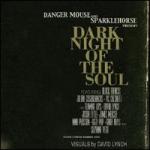
dangerspark64. Danger Mouse & Sparklehorse – Dark Night of the Soul (2009)
When two absolute masters from different genres team up on a project, the expectations are overblown, and the results usually can’t meet them. But when Danger Mouse joined Mark Linkous, the one-man wonder behind Sparklehorse, for a cinematic, star-studded affair called Dark Night of the Soul, the final product was as good as advertised. This is much more of a Sparklehorse record, which means it’s weird, whispery and sad (the most upbeat cut is called “Daddy’s Gone”). Mouse gives Linkous’ songs more room than they usually get to breathe, resulting in the most far-reaching album of his career. Guests with defined personalities (e.g. The Flaming Lips, Iggy Pop, David Lynch) blend gracefully into this tapestry, not a small feat. And in true Danger Mouse fashion, the record still hasn’t been released – a frustrating fact that only adds to its intoxicatingly mysterious vibe.

bird63. Andrew Bird – Armchair Apocrypha (2007)

Whistles and violins are dominant elements of Andrew Bird’s music, which on paper sounds like some kind of sweet Lovin’ Spoonful jaunt. Armchair Apocrypha, while consciously poppy in parts, is anything but a soundtrack for a healthy, high-on-life stroll. Bird’s whistles are produced to sound more like theremins, and songs like “Plasticities” and “Scythian Empires” tackle serious sociological issues over lavish string melodies. It’s as pretty as a no-nonsense worldview can get.

coldplay62. Coldplay – Viva la Vida or Death and All His Friends (2008)
It’s easy to like Coldplay, what with their sweeping melodies and earnest, somewhat generic anthems about love and friendship and stuff. And it’s easy to hate them, given the band’s utter media saturation in the 2000s. When they released this record, though, it became clear that anybody bashing these guys for being in over their heads was just player hatin’. After the overwrought, overlong X&Y showed that mainstream success might be getting to Chris Martin & crew, the band wisely circled the wagons, brought in Brian Eno, and made the most musically satisfying record of its career. From the instrumental atmospherics of “Life in Technicolor” to the stunning “Death and All His Friends,” this is finely crafted, ambitious pop music performed with confidence and heart – if only all mainstream rock giants sounded this good.

N.E.R.D.61. N.E.R.D. – In Search Of … (2002)
When a massive R&B or hip-hop single entered your subconscious during this decade, and its beat was actually worthy of all the cash it was making, chances are it was produced by Pharrell Williams. His trademark style brings everything back to rhythm, combining huge, gut-punching drums with a fuzzy guitar riff or keyboard flourish as window dressing. Nowhere is this philosophy better showcased then on this album, Williams’ debut as an artist in his own right. Together with fellow Neptune Chad Hugo, Williams uses the N.E.R.D. umbrella to let his ideas run wild – slamming dance-rock jams like “Lapdance” and “Rock Star” live next to the woozy folk of “Provider” and the gliding, Fender Rhodes R&B of “Run to the Sun.”

mosdef60. Mos Def – The Ecstatic (2009)
Until this year, Mos Def was a shoo-in for the most disappointing hip hop artist of the decade. His 1999 solo debut, Black on Both Sides, is one of the masterpieces of the genre, but it’s had to tide us over since then – 2004’s The New Danger was hazy and uneven, and 2006’s True Magic is best left forgotten. But from the opening, acid rock/Bollywood strains of “Supermagic,” where the MC spits a twisted Mary Poppins-inspired chorus, our faith is instantly renewed in his ability to get our heads nodding and spines tingling. The Ecstatic is more an album of vignettes than full-blown songs, and it keeps Mos Def constantly on his toes, crushing one mesmerizing analog beat after another, two-three minutes at a time. His acting is enjoyable, but here’s hoping he leaves the multiplex by the wayside and continues this musical resurgence.

vampireweekend59. Vampire Weekend – Vampire Weekend (2008)
It had been a while since the last wholeheartedly successful fusion of rock and Afro-pop, and on this NYC band’s debut album, those famed experiments of more than 20 years prior loom large. Vampire Weekend is clearly indebted to Paul Simon’s Graceland, in all the good ways – bouncing, ingratiating melodies, inherently celebratory pseudo-African grooves, smart storytelling. This is that rare record that can live up to the most bloated media buzz, thanks to tracks like the thrillingly effervescent “M79,” which features the best pop string arrangement of the decade.

prince58. Prince – Musicology (2004)
With this album, one of the greatest artists of the 1980s finally made peace with over a decade’s worth of eccentricities. No more name changes, label battles and bloated triple-disc releases – just Prince singing his guts out over classic funk and R&B vamps. The title track is his own “Sir Duke”; lyrics about the way music “made you feel back in the day” weave through a minimalist funk groove that could live on any Sly Stone album. And when he decelerates things with “On the Couch,” he belts out the kind of impassioned slow-jam wails that just might steam up the windows on their own. A welcome return to form, and one of the decade’s mightiest party records.

wilco57. Wilco – Sky Blue Sky (2007)
This is the least adventurous Wilco album since the rollicking alt-country of its 1995 debut, but there’s a whole lot of confidence in its fairly straightforward approach. Every track is infused with an unworried, been-there-done-that air; it opens with an ode to passivity and pretty much follows its philosophy throughout. Sky Blue Sky rarely strains to get your attention, and does just that in the process. There are several more ambitious, boundary-pushing Wilco albums out there, but this one cemented the band’s status as the most dependable American rock act we’ve got.

radiohead56. Radiohead – Amnesiac (2001)
After the stroke of disaffected, interplanetary genius that was Kid A, it was easy to discredit its follow-up, which was released only eight months later and reeked of leftovers. Eight years later, it’s easier to look at Amnesiac outside of its predecessor’s significant shadow, and some brilliant, elegiac electro-art-rock is what comes to light. Sure, the alternate version of “Morning Bell” shouldn’t be there. But if songs like “You and Whose Army?” and “Life In a Glass House” are throwaways, then I’ll be the first to say “Mmmmm … garbage.”

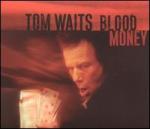
waits55. Tom Waits – Blood Money (2002)
Tom Waits has never been full of sunshine and lollipops, but this album is probably the bleakest of his illustrious career. One of a pair of Waits records released on the same day in 2002, Blood Money explores a hopeless world of dominating ids and absent gods, colored with the murky marimbas, clattering percussion and mournful piano that’s been his calling card for the last quarter century. As always, his lyrics are crushingly good – “All the good in the world you could put inside a thimble/And still have room for you and me.”

kooks54. The Kooks – Konk (2008)
The Kooks are confident little buggers. Not only did they take their name from a Bowie song, they christened their second album after the studio it was largely recorded in, which is owned by Ray Davies. It’s lofty company to associate yourself with, but this quartet must’ve known what a great batch of tunes they had on their hands. Konk is good enough to name-drop so willfully, boasting a free-wheeling power-pop attack that any Kinks fan should eat up with a spoon. And in between surefire singles like “Always Where I Need To Be” and “Mr. Maker” sit some equally effective bits of plaintive acoustic strumming – the relationship eulogy “One Last Time” being the biggest winner.

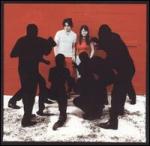
whitestripes53. The White Stripes – White Blood Cells (2001)
Contemporary blues artists are a fairly sickening lot, defined by self-serving guitar wankers that will forever draw crowds. Which makes The White Stripes even more of a blessing. The Detroit duo has been the opposite of bullshit since it first paired slide guitar shredding with huge, methodical drums. White Blood Cells was the band’s commercial breakthrough, and for good reason – Jack White is at his catchiest here, evidenced by the Beatles-biting “We’re Going To Be Friends” and the full-tilt country romp “Hotel Yorba.” But that doesn’t mean the artful blues swagger of earlier albums is M.I.A. “I Think I Smell a Rat” will bust your speakers with as much glee as any track of the 2000s.

plantkrauss52. Robert Plant & Alison Krauss – Raising Sand (2007)
“I WANNA BE YOUR BACK DOOR MAN!” This was the legacy of pre-Raising Sand Robert Plant – the source of those mind-blowing, sexually charged screams that made Led Zeppelin the most kinetic rock band of the late-’60s and ’70s. Which made this project, a T-Bone Burnett-produced set of ethereal covers that pairs Plant with modern bluegrass legend Alison Krauss, sound ill-advised. But holy god, it’s a pretty thing, thanks to Plant’s downright angelic vocals, which perfectly intertwine with Krauss’ equally beautiful pipes. On the lush country ballad “Killing the Blues” and ghostly folk of “Your Long Journey,” the duo puts on a two-part harmony clinic, making this odd little experiment seem nothing less than predestined.

theroots51. The Roots – Rising Down (2008)
The Roots rose to prominence as the logical extension of the Native Tongues, favoring warmth and positivity in the waning years of gangsta rap’s reign. But as the group got older and the world went to hell in the 2000s, those rich Fender Rhodes chords and thoughtful party anthems gave way to a colder, tougher, more passionate approach. And while Rising Down isn’t the definitive example of these evolved Roots, it’s a barnburner just the same, thanks to some (literally) breathtaking verses from Black Thought and guest Mos Def, seas of chilling synths, and fearless explorations of strife, both personal and sociological.

badu50. Erykah Badu – New Amerykah: Part One (4th World War) (2008)
Nothing Erykah Badu ever does will be as instantly gratifying as the two records she released in 1997 (one studio, one live), which single-handedly ushered in the style now known as “neo soul.” So it’s a wonderful thing that she’s long since moved on, preferring slow-to-develop, tripped-out sprawls of songs (and horrible sprawls of album titles). Badu isn’t interested in hooking listeners, but rewarding them for their patience – slinky, meditative tunes like “Soldier” and “Telephone” are pleasant at first blush, and epiphanies by the time you’ve completely let them in.

My mustache is true

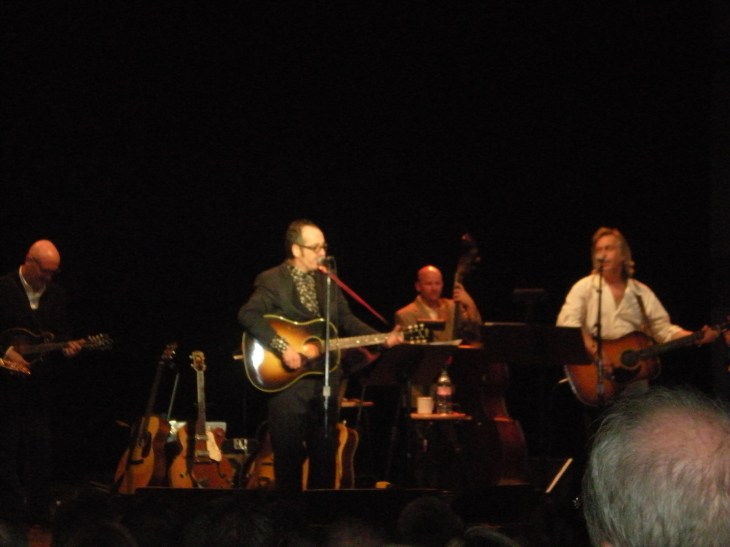
DSCN0488My wife and I saw Elvis Costello on Saturday night, down in the Chautauqua Institution. He, along with his percussion-less band The Sugarcanes, was riveting. The country & western bent of his unfortunately titled Sweet, Profane & Sugarcane was the order of the day, and the arrangements were worthy of a Grand Ole Opry showcase. Even when the mustachioed, purple-hatted Costello dipped into his back catalog, the mix of mandolin, fiddle, dobro, guitar and accordion felt natural (“Mystery Dance,” “Blame It On Cain” and “Indoor Fireworks” being highlights for me). And a bluegrassed-up rendition of the Velvet Underground’s “Femme Fatale” was surprisingly effective. Costello’s records aren’t quite what they used to be, but at 55 years old, he’s as endearing and talented a performer as ever.

Oh, and a memo to anybody that wants to stop for a drink at the Chautauqua Institution before a concert – you are Beezlebub himself. We sat down at a place called The Season Ticket, asked for a wine list and were treated like we had propositioned the waitress for sex. “Institution rules” state that you can’t buy an alcoholic beverage without also ordering food. And the menu listed cosmos, Bloody Marys and the like, but they all had an asterisk next to them. The corresponding asterisk let us know that all of these drinks were wine-based. A wine-based Bloody Mary? That’s just unholy.

Top 100 Albums of the 2000s (100-75)

Welcome to my blog. My maiden posts will cover my choices for the top 100 albums of the 2000s, chopped up into four somewhat digestible parts. Enjoy masticating part one, piggies!

monae

100. Janelle Monáe – Metropolis: The Chase Suite (2008)
Equal parts Isaac Asimov and Mary J. Blige, this debut EP from the protege of Big Boi (Monáe’s performance on the track “Call the Law” was one of the bright spots on Outkast’s uneven Idlewild)  is an introduction to a massive talent. Tied together by its concept of an android who risks disassembly by loving a human, and propelled by some of the most inventively stomping neo-soul grooves of the 2000s, Monáe’s brainchild marries the organic with the technological in more ways than one.

spektor99. Regina Spektor – Begin To Hope (2006)
Say what you will about this Moscow native’s vocal quirks – if you want to put her penchant for lisping in the same category as Jewel’s unconscionable yodel, go right ahead – but her best songs possess a quirky power that puts it all in context. On Begin to Hope, Spektor finds the ideal balance between snappy melodies and self-consciously off-the-wall explorations. And on the piano/vocal suite and loose Biblical allegory “Samson,” the artist’s pop and avant garde sides come together with spine-tingling seamlessness.

faithfull98. Marianne Faithfull – Before the Poison (2005)
The human voice doesn’t deteriorate with age, it simply changes. At least that’s what Before the Poison would have you believe. Faithfull’s cracked, gravelly performance on this album bears little resemblance to her famous mid-’60s work, on which she sang with such serious clarity. But here she doesn’t opt for chamber pop odes to summer nights and little birds – instead she enlists artists like PJ Harvey and Nick Cave to write material to match her seemingly damaged instrument. The result is a work of dark, conflicted beauty, in which Faithfull’s voice is indispensable.

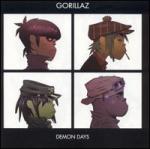
gorillaz97. Gorillaz – Demon Days (2005)
After Gorillaz had a hit on its hands with “Clint Eastwood” in 2001,  the virtual alt/hip-hop group released its self-titled debut, which didn’t contain one cut half as good. Perhaps Damon Albarn just needed more time to create his cartoon group’s definitive statement, because four years later, Demon Days was it. Full of songs that mixed moody Britpop with bursts of top-notch hip-hop, and peppered with moments of inspired weirdness (e.g. a spoken-word track featuring Dennis Hopper called “Fire Coming Out of the Monkey’s Head”), this is where Albarn graduates from comic book geek to graphic novel visionary.

mccartney96. Paul McCartney – Chaos and Creation in the Backyard (2005)
2007’s Memory Almost Full might have had the more memorable single,  but this record is as sweet and unfettered as McCartney’s ever been. Love songs abound, and they ain’t silly, thanks to universal sentiments like “This Never Happened Before” and “Follow Me,” and the steady hand of producer Nigel Godrich.

dangerdoom95. Dangerdoom – The Mouse & The Mask (2005)
The “Adult Swim” block of programming on Cartoon Network gets my vote for best pop culture development of the decade, not just for the platform it’s given to brilliantly deranged animators and comedians, but for its musical savvy as well. Without it, we wouldn’t have this collaboration between super-producer Danger Mouse and the king of underground MCs, MF Doom. Mouse’s beats are as funky as they are campy, Doom spits non sequiturs that burn into your brain, and guest spots from Talib Kweli and Cee-Lo are unforgettable. If cartoons weren’t already cool (they were), The Mouse & The Mask gave them more street cred than ever before.

ghostface94. Ghostface Killah – Fishscale (2006)
By the end of the ’90s, the only Wu-Tang solo careers worth following were Ol’ Dirty Bastard’s, RZA’s and Ghostface Killah’s. 10 years later, with the passing of ODB (R.I.P.) and RZA continually stretching himself too thin, Ghostface stands alone. Fishscale finds the MC giving impassioned, forgiving odes to his mother, opining on the ins and outs of child discipline and boasting that he’s still the champ – over the kind of crackling soul beats that he’s been artfully tearing to shreds for years.

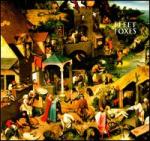
fleetfoxes93. Fleet Foxes – Fleet Foxes (2008)
If autumn is your favorite season, you’ll probably dig this – a pastiche of big, warm harmonies, gently strummed acoustics and Mother Nature-heavy lyrics. It’s gorgeous folk-pop that, unlike its contemporaries Grizzly Bear, is absolutely content to stay within its own unique burrow of sonic serenity. And like autumn,  Fleet Foxes is slowly paced yet not depressing, like a 2000s version of Harvest minus the junkie eulogy.

dylan92. Bob Dylan – Modern Times (2006)
Bob Dylan’s 2009 effort Together Through Life is a pleasantly tossed-off-sounding roots rock album, and also a total letdown. After the trilogy of sometimes morbid, sometimes whimsical masterpieces that began with 1997’s Time Out of Mind and ended with this album, Together just sounds ordinary. Modern Times is a deliciously ironic title for a collection of songs that relies on grimy Chicago blues and Tin Pan Alley balladry to tell stories about romantic obsession, swollen levees and blue-collar strife. People used to think that Blood on the Tracks was Dylan’s last masterpiece – I’ll say the same about this album, in hopes that the artist surprises us yet again.

allen91. Lily Allen – Alright, Still (2007)
Forget about what Lily Allen said to Elton John at some award show, or anything else that could you could have learned from Access Hollywood, for that matter. The MySpace phenom’s debut album is a how-to manual of modern cheekiness, pairing breezy ska, new wave and lite hip-hop hooks with delightful wink-and-a-middle-finger anthems. “Everything’s Just Wonderful” is probably the best of the bunch, a lesson in how all your worries, body issues and financial troubles can get swept away by one excellent pop hook.

beck90. Beck – The Information (2006)
A new Beck album doesn’t have the same import that it did in the late-’90s, but those who’ve followed him through his patches of mediocrity  have been occasionally rewarded. The Information is one of those gifts, a loose, clattering mix of funk, psychedelic balladry and white boy rap that channels the spirit of his most famous work much more effectively any of his ’00s records. And it’s much more than a retread – check the wishy-washy protagonist of “Think I’m In Love” or the ballad “Dark Star,” which takes the keyboard hook from Stevie Wonder’s “Have a Talk With God” and makes it the linchpin of a burbling, subterranean voyage.

gabriel89. Peter Gabriel – Up (2002)
If it wasn’t for Peter Gabriel’s apparent desire to add another “Sledgehammer” to his resume, Up would be much higher on this list. It’s a lush, dramatic and demanding listen, on which the artist’s still-enchanting voice guides us through a forest of slow-building soundscapes. Gabriel uses every second of these long running times to his advantage, using guests like the Blind Boys of Alabama and Nusrat Fateh Ali Khan to spice up his ethereal universe, patiently constructing tensions and releases with the skill of a master craftsman – with one glaring exception. “The Barry Williams Show” is a massive sore thumb, an attempt at mainstream success that finds the artist embarrassingly out of touch. In such beautiful, inventive surroundings, a song that teaches us about how daytime TV talk show hosts are manipulative (no shit, Pete) is simply unfortunate.

thorn88. Tracey Thorn – Out of the Woods (2007)
Everything But the Girl might be best known for one ghostly ’90s club anthem, but its scope always reached far beyond the dance floor. And never farther than on EBTG vocalist Tracey Thorn’s second solo effort, which mixes earnest, gorgeously produced pop balladry with the kind of rainy-day synth-rock songs that defined British rock in the ’80s. “A-Z,” a post-punk shot in the arm to every gay kid struggling with oppression, puts all of Thorn’s strengths into one three-and-a-half-minute package.

wutang87. Wu-Tang Clan – 8 Diagrams (2007)
In the years leading up to the release of Wu-Tang Clan’s fifth album, its most entertaining member died, the remaining MCs struggled to advance their solo careers (except for Ghostface Killah), and there was apparently some serious infighting about RZA’s beats, which were getting more psychedelic and less street-wise. And by the sound of it, adversity suits Wu-Tang wonderfully. 8 Diagrams is easily their best album since Wu-Tang Forever, featuring one of RZA’s headiest bouts of knob-twisting and the newfound energy of many rappers that seemed to be dead in the water – especially Method Man, who dominates every track he appears on with verses that cut like rasping scythes.

peterbjornandjohn86. Peter Bjorn and John – Writer’s Block (2006)
In 2004, my wife and I honeymooned in Paris. But even if you spent the whole year in Buffalo, the song “Paris 2004” could very well strike you the same way it did us. The track is the centerpiece of Peter Bjorn and John’s breakthrough album Writer’s Block, a pop record that’s clever in its starkness. Vocal harmonies and guitar heroics are practically non-existent, leaving the spotlight to whistles, glockenspiels and lyrics about waking up in Paris and feeling hopelessly in love. This is music that stays with you, romantic coincidences aside.

betaband85. The Beta Band – Hot Shots II (2001)
After making an initial splash with an album patched together from older work, The Beta Band was in a strange sort of pickle – could an old-fashioned LP from the group possess the same sense of adventure? Honestly, Hot Shots II doesn’t possess the cavalier indie-electro-pop spirit of 1997’s The Three E.P’s, but it has its own sort of reserved, cohesive brilliance. Thanks to Steve Mason’s matter-of-fact voice, his group is able to pull off a brand of everyman space rock – big, reverberating songs that sound like they’re being whispered into your ear. There’s nothing as standout as “Dry the Rain” here, maybe because it’s a true LP, meant to be played from beginning to end to understand its intent – a gloriously ironic, and blissfully musical, turn of events.

q-tip84. Q-Tip – The Renaissance (2008)
It was a sad day when A Tribe Called Quest broke up in 1998. Looking back at hip-hop in the ’00s, it’s tough to pinpoint an artist that filled the void. And it didn’t help that Q-Tip’s solo career seemed irreparably cursed. But on Election Day in 2008, there were a few reasons to feel infused with hope, one of them being The Renaissance, the MC’s first release since his 1999 offering of crossover jams, Amplified. This is a great album for the same reasons that Midnight Marauders is – sharp rhymes delivered in Tip’s controlled, honeyed voice, soulful beats primed for backyard barbecues, and a pervading sense of positivity. It’s not a game-changer like Marauders, but it keeps its spirit alive, which is enough to make it a classic of the ’00s.

cave83. Nick Cave & The Bad Seeds – Abattoir Blues/The Lyre of Orpheus (2004)
“Get ready for love!” growls Nick Cave on the opening cut of this elegant double album, which finds the artist continuing his exploration of the murky depths of the romantic impulse (why hasn’t he covered “Hurts So Good” yet?) over swelling arrangements that bounce between Waits-ian wallowing and glorious choral testaments. Its ridiculous title is not indicative of the songs, which yank on your heartstrings with forceful, direct language.

santogold82. Santogold – Santogold (2008)
What if Gwen Stefani cared about crafting entire albums instead of just throwing an hour of tired dance-pop filler on the shoulders of one killer single? Well, she’d be kind of like Santogold (who is now called Santigold thanks to the threat of legal action from some jeweler called Santo Gold, which is dumb). The duo, led by producer/songwriter/vocalist Santi White, packed all kinds of hooks and genre-hopping experiments into its self-titled debut, resulting in an irresistible mix of soul, ska, electronica and surf that makes you want to throw open the windows and sing, air conditioning/blizzards be damned.

weakerthans81. The Weakerthans – Reconstruction Site (2003)
John Samson’s songs tend to be beautiful things, even though they go out of their way to sound mundane, dry or just plain sad. On this, his third Weakerthans record, the singer/songwriter lets his down-to-earthness fly over pleasing, plugged-in folk progressions, resulting in some lyrical jags that are tough to forget (e.g. “I broke like a bad joke somebody’s uncle told at a wedding reception in 1972, where a little boy under a table with cake in his hair stared at the grown-up feet as they danced and swayed”).

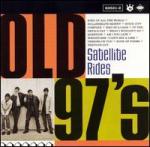
old97s80. Old 97’s – Satellite Rides (2001)
As one of the best bands to emerge from the alt-country revolution in the 1990s, Old 97’s always had impeccable pop sensibilities lurking under all that raucous Texas twang. On Satellite Rides, Rhett Miller and company let their catchy sides take the reins, proving they’re as good at power-pop as they were at country-rock. The love songs are instantaneously lovable, whether they’re about being the shy guy (“Designs On You”), the happily whipped guy (“Bird in a Cage”) or the head-over-heels guy that’s about to propose (“Question”).

boniver79. Bon Iver – For Emma, Forever Ago (2008)
With the death of Elliott Smith in 2003, fans of quiet, torchered folk songs needed the Trey to replace their Jerry. And while the jury’s still out on whether anyone’s worthy of carrying on the Smith legacy, Justin Vernon makes a serious claim with this album. His songs quaver with a soft, delicate, Sparklehorse-like ache, but Bon Iver isn’t quite as abstract as that group, using the track “Skinny Love” to describe a failed relationship in gory detail (“Staring at the sink of blood and crushed veneer”).

dangermouse78. Danger Mouse – The Grey Album (2004)
Unless you’re on a dancefloor and drunk as hell, you shouldn’t be listening to a mash-up. They’re pointless, gimmicky productions that get old faster than “A Fifth of Beethoven.” Unless you’re talking about The Grey Album, that is. Of all of Danger Mouse’s clever, game-changing projects (Gnarls Barkley, Dangerdoom, Dark Night of the Soul, etc.), this remains the smartest. By laying the vocal tracks off Jay-Z’s The Black Album over some brilliantly interwoven samples from The Beatles’ White Album, the producer did more than mix seemingly disparate colors. He made us think – about the inherent similarities between rock and hip-hop, the artistic legitimacy of creating something new from material that’s already incredibly popular, the overlooked coolness of “Long, Long, Long.” All this from an album that was never released. Oh music industry, you so crazy!

grizzlybear77. Grizzly Bear – Veckatimest (2009)
The press went apeshit about an album with a weird title by a relatively unknown Brooklyn indie-folk band. Lots of people listened, went out and bought it. And it’s terrific. What a refreshing thing to think about as the “death of the album” decade comes to a close. To those going in pre-hyped, Veckatimest might not be an immediately rewarding listen, because this isn’t typical pop songcraft. It’s lofty, hypnotic music, where the verses draw you in and the choruses only serve to deepen the mystery.

lowe76. Nick Lowe – The Convincer (2001)
After giving Elvis Costello his start in the mid-’70s, Nick Lowe was quickly overrun by his prodigy. But the singer/songwriter’s latest work finds him balancing the scales a bit. While Costello’s been all over the stylistic map on his ’00s records, missing as often as he hits, Lowe has settled into his role as a snarky soft-rock crooner, and The Convincer is as good as it gets. Whether it’s the sexual desperation of “Homewrecker,” the sad-sack lament of “Lately I’ve Let Things Slide” or the sweet, antisocial romance of “Let’s Stay In and Make Love,” Lowe’s voice remains cool and observant, a natural fit for these laid-back arrangements.

ofmontreal75. Of Montreal – Satanic Panic in the Attic (2004)
As this decade progressed, and Kevin Barnes’ music became progressively wilder, his band picked up an almost Bowie-ish quality, leaving fans unsure what to expect and loving every second of it. And Of Montreal’s sixth record, Satanic Panic in the Attic, was the first snapshot of the artist in transition. It’s a thrilling bridge between Barnes’ early heart-on-sleeve folk and the kaleidoscopic, freaked-out dance-pop he prefers these days. This is still a rock album, just an impeccably arranged, deliriously catchy one – when Barnes stacks harmonies like Lincoln Logs on the majestic, sun-streaked “Lysergic Bliss,” both smiling and thrashing around are in order.