What’s in my Discman, May 2010

I’m really into albums from 1971 these days, for some reason. I guess I’m just swept up in the memories they inspire – you know, me at -7, eating Tootsie Pops and playing four square while living in the twinkle of my pappy’s eye.

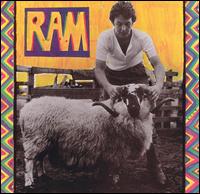
Paul & Linda McCartney – Ram

Like any aspect of Beatles history, the band’s attempt to get back to its roots on its muddled-with-patches-of-brilliance swan song, Let It Be, has been analyzed to death. But you don’t need an insider biography to tell you that Paul McCartney was leading this charge towards stripped down rock and blues constructions. All you need as evidence are his first two solo records, 1970’s jarringly spare McCartney and 1971’s Ram. The latter is the much stronger album, presenting the ideal mixture of the farmhouse rusticity Macca was obsessed with and the gloriously produced melodies that have always been his strong suit. You’ve got the unadorned Delta blues of “3 Legs” and the light, scatman folk of “Heart of the Country,” as well as the beautiful Beach Boys harmonies of “Dear Boy” and the looking-ahead-to-Wings power ballad “Back Seat of My Car.” Unlike any other McCartney album, Ram never goes to extremes; even Linda’s hopelessly flat back-up vocals fit the homestyle milieu. The Cute One went on to do some great things, but he never again made an album as balanced as this.

Bill Withers – Just As I Am

Bill Withers is the quintessential R&B folksinger, and this, his debut album, is prime evidence to back up that claim. Over the course of a dozen tracks, the music world was introduced to the steady, hypnotic bluesiness of Withers’ voice, his soul-infused acoustic guitar playing, and the gut-wrenching drama of his songwriting. Withers tells gripping stories as easily as he delivers those buttery vocal runs – “Grandma’s Hands” mourns the loss of a matriarch; “I’m Her Daddy” is the stirring plea of a man who realizes he has a six-year-old daughter; “Better Off Dead” is a suicide note from an abusive alcoholic. Producer Booker T.’s arrangements are subtle and tasteful throughout, letting Withers’ glue-you-to-your-seat tunes carry the day – just thinking about “Ain’t No Sunshine” gives me goosebumps.

David Bowie – The Man Who Sold The World

Few artists have dabbled with as many different styles as David Bowie. But until I heard The Man Who Sold The World, I didn’t realize that prog-rock and early metal were on the list. Before the pop perfection of Hunky Dory or the conceptual, glammed-out brilliance of The Rise and Fall of Ziggy Stardust and The Spiders From Mars, there was this album – a loud, roughshod recording dominated by huge guitars and huger concepts. “Running Gun Blues” is an unflinching Vietnam critique, “All the Madmen” a harrowing depiction of a man about to be released from a sanitarium, “Saviour Machine” a plea from a governmental leader to help him kick his power addiction. It’s all bathed in chugging Sabbath riffage and epic early-Zeppelin arrangements – while the towering melodies and glamorous sensibilities of classic Bowie are ever-present, the guy never rocked harder than he does here.

What’s in my Discman, April 2010

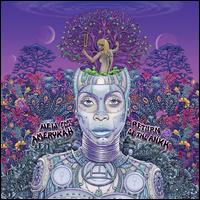
Erykah Badu – New Amerykah, Part Two: Return Of The Ankh

On her fifth album, and second installment of the awkwardly named “New Amerykah” series, Erykah Badu gives us her most commercially viable music of the last decade or so. That’s not to say it’s the kind of glossy, over-emoted sludge that passes for R&B these days – Return of the Ankh goes down easy, but it’s because Badu and her band make these breezy soul grooves look easy. A significant shift from the challenging sprawl of New Amerykah, Part One: 4th World War, Ankh is waiting to be pulled out during the summer months. With the airy funk of “Turn Me Away (Get Munny)” and the slow-burning ode to solo travel “Window Seat” drifting from your speakers, you’ll almost be able to smell the barbecue.

She & Him – Volume Two

She & Him is such a shamelessly cute premise – gal writes sweet love songs, guy produces ’em to sound like mid-’60s pop singles, and they release them in packaging full of fanciful illustrations – I can’t believe I don’t hate it. The duo’s second album follows pretty much the same formula as its first, with Zooey Deschanel’s songs dripping in hooks that would’ve surely been snatched up by The Turtles and Herman’s Hermits back in the day, and M. Ward’s production fleshing them out without weighing down their inherent preciousness. Their back-to-pop-basics philosophy seems trendy on paper, but on Volume Two, She & Him makes Me happy.

Kanye West – 808s & Heartbreak

It took me a while to really give 808s & Heartbreak a chance. I figured Kanye’s “I’m working out my personal issues with Auto-Tune and a TR-808 drum machine as a support system” album would be an interesting, but ultimately forgettable, listen. Lord, was I wrong. West embraces the chilly, impersonal nature of that technology, using it to enhance the feelings of loss, abandonment and unrequited love that dominate these tracks. And he pairs his roboticized voice with beautiful post-punk soundscapes throughout, from the heart-monitor-beep-fueled sexuality of “Say You Will” to the sweeping strings and gnashing drum machines of “RoboCop.” By fusing one of R&B’s lamest trends with the gothic, synthesized pop of bands like The Cure, Kanye West took a wild artistic gamble and created something staggeringly great. I’m just trusting him from now on.

1,000-pound Gorillaz

On Plastic Beach, the third effort from the virtual space rock/hip hop group Gorillaz, bandleader Damon Albarn has a revelation akin to that of a Jane Austen character. Ever since his band of animated hipsters released its self-titled debut in 2001, Gorillaz has felt like a lark for Albarn, a fun side project that let him scratch his hip hop itch and do other things he couldn’t do with his primary creative outlet, the much-beloved Britpop group Blur. But at some point over the last few years, the singer/songwriter/producer realized that Gorillaz was more than just a cool diversion. Listening to the wildly eclectic sounds, indelible melodies and post-apocalyptic concepts of Plastic Beach, it’s clear that Albarn has realized that his “other” band is the one he was meant to lead.

On paper, the formula is pretty much the same as the first two Gorillaz discs. Get a crackerjack group of guest artists and let them run wild, countering their ebullient contributions with chilled-out electronic grooves and Albarn’s levelheaded vocals. But Plastic Beach is something more than its thoroughly entertaining predecessors – it’s the result of a fully realized vision, in which every pop hook, stylistic twist and pseudo-sci-fi moral has its place.

The loose concept behind the album isn’t going to win any fiction prizes, but the idea of the world as an industrial wasteland marked by lifeless, synthetic shores is an effectively harrowing one. And it’s more than enough for Albarn and his star-studded peanut gallery to sink their teeth into, whether it’s Mos Def and Bobby Womack breathing soulful fire into the early-Depeche Mode groove of “Stylo,” De La Soul gleefully rapping about futuristic fast food on “Superfast Jellyfish” or Lou Reed lending his incomparable monotone to the gloriously catchy “Some Kind of Nature.”

For the first time, Albarn has made a record that’s as adventurous and bold as its guests, full of moody Britpop atmospheres, burbling funk jams, aching bursts of R&B and full-on orchestral bombast. The magnificent “White Flag” acts as a microcosm of it all, combining the hypnotic Eastern melodies of The Lebanese National Orchestra with bursts of playful electro-rap for a track that has an immediacy and personality all its own. And when Albarn follows it up with the emotionally resonant post-punk ballad “Rhinestone Eyes,” singing about how his love’s eyes glitter “like factories far away,” it becomes clear that there’s nothing at all cartoonish about these Gorillaz anymore.

Like Emma Woodhouse, Damon Albarn has realized that his real muse was right in front of his face all of these years. And he’s made it awfully hard to not fall in love with Plastic Beach.

Get low on E

The eighth album from Eels, End Times, is its bleakest work yet. And that really says something. Since the band – essentially a one-man show with a rotating mix of instrumentalists rounding it out – released its universally acclaimed second album, Electro-Shock Blues, in 1998, its oeuvre has been dominated by themes of untimely death and nihilistic loneliness. But End Times is different, in two fundamental ways. First, it’s a breakup album, which is new territory for singer/songwriter/bandleader Mark Oliver Everett (aka “E”). Second, perhaps because it’s a breakup album, there’s no black humor to be found, something you could always rely on to clear up the stormy skies of prior Eels records. Still, for all of its woebegone self-loathing, End Times mostly works, continuing down the minimalist musical path Everett’s favored on his last few records, and spotlighting his painfully honest, conversational lyrics. “She locked herself in the bathroom again/So I am pissing in the yard,” he sings on the beautifully heartsick “A Line in the Dirt,” bemoaning his self-destructive nature over a plaintive piano. “In My Younger Days” finds the artist grappling with the onset of middle age, finding that it’s tougher to bounce back than it once was. The title track compares the break-up to the rapture over lone, autumnal guitar chords. All of these moments work, however melodramatic they may seem on paper, because the sincerity is palpable in Everett’s lightly graveled voice, as well as his humble arrangements. And if it wasn’t for his pair of attempts at fuzz-rock – especially the jarringly out-of-place, tossed-off-sounding “Paradise Blues” – End Times could be a sad-sack breakup album for the ages, something for miserable hipsters to turn to when they’re feeling especially mopey. If you’re not in the mood to hear a guy falling apart on tape, this album most definitely isn’t for you. But if raw, heart-on-sleeve expression is your bag, and it’s a rainy Sunday morning, you’ll find a lot to love about this relationship apocalypse tale.

This review also appeared in Artvoice. Read it again in a different milieu!

Interested in my thoughts on earlier Eels records? Too bad! Here’s my review of the band’s 2006 live album, Eels With Strings: Live At Town Hall.

And my take on the 2005 double-disc Blinking Lights and Other Revelations (#14 on my Top 100 Albums of the 2000s list).

I’m not credible!

Fun fact: The beautiful people over at Artvoice were kind enough to include selections from my Top 100 Albums of the 2000s list in their January 7 issue – they even put the story on the cover.

In it, I refer to a song from Radiohead’s Kid A called “How To Disappear Completely.” Except I decided to call it “How To Become Invisible.”

If you need me, I’ll be out back, burning all of my wool caps, cappuccino frames, ironic t-shirts and thrift store sweaters with well-worn thumbholes. I hath no indie cred.

Top 10 Albums of 2009

Mom and dad,

This list of the Top 10 Albums of the past year is a bit anti-climactic, since I’m sure you pored through my Top 100 Albums of the Decade list with a fine-toothed comb, or at least a comb with teeth that are relatively small. It definitely wouldn’t have been one of those thick plastic combs that come with dolls that you buy at the Dollar Tree. If it was, then you’re both dead to me.

You’ll see a few repeats here (six, in fact), but I’m sure you won’t mind reading them again – I’m your flesh and blood after all. It’s the least you could do.

10. Iggy Pop – Préliminaires
Iggy Pop’s 15th solo album is a brooding slab of French pop, post-punk and Basin Street blues, making for a delightful departure from his firmly established hard rock sneer. Whether he’s seducing like Serge Gainsbourg on “Les Feuilles Mortes,” leaning into a dirty New Orleans groove on “King of the Dogs” or channeling Leonard Cohen over the wandering violins of “Spanish Coast” and brooding synths of “Party Time,” Iggy’s gothic cabaret baritone totally captivates, thickening each arrangement like café with extra lait.

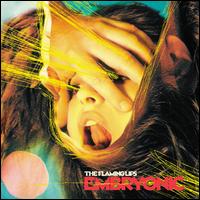
9. The Flaming Lips – Embryonic
This is the album that The Flaming Lips needed to make after 2006’s At War with the Mystics, a solid effort that nonetheless signaled the band’s return to Earth after seven years in the space rock stratosphere. Shredding that sacred, universally appealing Soft Bulletin formula once and for all, Embryonic isn’t much interested in hooks, or for that matter, traditionally beautiful sounds. Raw, challenging soundscapes are the order of the day instead, accentuating the inherent weirdness of Wayne Coyne’s voice where previous albums sought to offset it. Where Bulletin or Yoshimi Battles the Pink Robots would have given you a blast of harmony, Embryonic hits you with a wall of static, a dissonant power chord or wash of synthesized harp. By bringing their freakier ’80s and ’90s selves back into the fold, the band can give us metaphysical head trips like the “The Sparrow Looks Up at the Machine” and towering, passionate jams like “Worm Mountain.” Drummer Kliph Scurlock goes ballistic throughout, like Nick Mason would’ve if Pink Floyd had tried to go back to its roots. With feet planted in the past and the future, Embryonic makes the present a hell of a lot more interesting.

8. Vetiver – Tight Knit
Quick, listen to Vetiver’s song “Everyday” right now, before Target or Old Navy or some other company beats it into submission in a ubiquitous commercial. Coupling some breezy acoustic chords with a sweet, McCartney-esque vocal melody, the track is as effortlessly catchy as anything released in ’09, and if it wasn’t for Feist’s “Mushaboom,” the entire decade. And this quality bit of easy listening is only part of the charm of Tight Knit, a record that’s intent on conveying one particular form of happiness – that lazy Sunday afternoon, dipping your toes in the lake kind of feeling, a sensation that’s as unforgettable as it is fleeting. As a result, Andy Cabic’s songs aren’t all that interested in changing your life, or even getting you to think all that much. This is gentle, artful soft rock, irresistibly simple and mostly free of James Taylor-ish stabs at poetry. Keep it out of your On the Go party playlist, but when you’re hung over the next day, you’ll cling to it as intensely as that bottle of blue Gatorade.

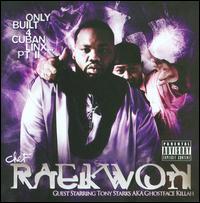
7. Raekwon – Only Built 4 Cuban Linx … Pt. II
Wu-Tang Clan broke the rules from the start, a crew of nine MCs that rolled out a raw East Coast masterpiece at the height of gangsta rap’s popularity, took four years to record a two-disc follow-up, and turned that into a stroke of brilliance as well. In this context, the utter magnificence of Only Built 4 Cuban Linx … Pt. II makes sense. Usually when artists borrow off the cred of their younger days, it’s because they’re either greedy, out of ideas, or both. But Raekwon’s “sequel” to his legendary solo debut is no Stillmatic. Maybe the title alone was enough to get the MC to push himself, so as not to sully the sacrosanct Cuban Linx name, but regardless, Raekwon has never sounded better, not to mention guests Ghostface Killah and Method Man, and producers RZA, Dr. Dre and the late J Dilla. These project newscasts, dealer diatribes and prison yard tales are as raw and compelling as hip hop gets, from the chilling descriptions of “Cold Outside” to the laid-back crack-making interlude “Pyrex Vision” and the heartfelt Ol’ Dirty Bastard memorial “Ason Jones.” Part II is such a shocking triumph, one wonders if these guys could’ve salvaged The Godfather: Part III.

6. Grizzly Bear – Veckatimest
The press went apeshit about an album with a weird title by a relatively unknown Brooklyn indie-folk band. Lots of people listened, went out and bought it. And it’s terrific. What a refreshing thing to think about as the “death of the album” decade comes to a close. To those going in pre-hyped, Veckatimest might not be an immediately rewarding listen, because this isn’t typical pop songcraft. It’s lofty, hypnotic music, where the verses draw you in and the choruses only serve to deepen the mystery.

5. Dirty Projectors – Bitte Orca
Take an infectious, harmony-drenched pop album of enviable quality. Now stick it in a jam jar and shake it up violently. You might have something resembling Bitte Orca, a record that’s stuffed with stunning vocal melodies and intricately beautiful guitar passages, put together in jarringly unconventional ways. Odd time signatures, jittering solos and acquired-taste falsettos abound, and instead of giving the sense of a masterpiece marred, Dirty Projectors reminds us of the beauty of broken rules.

4. Danger Mouse & Sparklehorse – Dark Night of the Soul
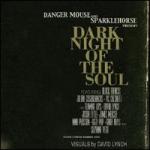
When two absolute masters from different genres team up on a project, the expectations are overblown, and the results usually can’t meet them. But when Danger Mouse joined Mark Linkous, the one-man wonder behind Sparklehorse, for a cinematic, star-studded affair called Dark Night of the Soul, the final product was as good as advertised. This is much more of a Sparklehorse record, which means it’s weird, whispery and sad (the most upbeat cut is called “Daddy’s Gone”). Mouse gives Linkous’ songs more room than they usually get to breathe, resulting in the most far-reaching album of his career. Guests with defined personalities (e.g. The Flaming Lips, Iggy Pop, David Lynch) blend gracefully into this tapestry, not a small feat. And in true Danger Mouse fashion, the record still hasn’t been released – a frustrating fact that only adds to its intoxicatingly mysterious vibe.

3. Mos Def – The Ecstatic
Until this year, Mos Def was a shoo-in for the most disappointing hip hop artist of the decade. His 1999 solo debut, Black on Both Sides, is one of the masterpieces of the genre, but it’s had to tide us over since then – 2004’s The New Danger was hazy and uneven, and 2006’s True Magic is best left forgotten. But from the opening, acid rock/Bollywood strains of “Supermagic,” where the MC spits a twisted Mary Poppins-inspired chorus, our faith is instantly renewed in his ability to get our heads nodding and spines tingling. The Ecstatic is more an album of vignettes than full-blown songs, and it keeps Mos Def constantly on his toes, crushing one mesmerizing analog beat after another, two-three minutes at a time. His acting is enjoyable, but here’s hoping he leaves the multiplex by the wayside and continues this musical resurgence.

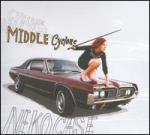
2. Neko Case – Middle Cyclone
Neko Case’s fifth album finds her at the peak of her abilities, channeling Emmylou Harris and Jeff Tweedy in her reverb-laden alt-country soundscapes, and the devastating power of Mother Nature in her lyrics. When a singer/songwriter name-checks the natural world, we expect it to be a treatise on peace and beauty. But on Middle Cyclone‘s opening cut, “This Tornado Loves You,” the narrator is a fearsome storm, destroying towns and villages in her search for the love that got away. The lilting Sparks cover “Never Turn Your Back On Mother Earth” turns the tables on the standard abuser-victim relationship between mankind and the environment. On the title track, Case lets her guard down to confess the pain of a loveless life, but she finds her strength by the end – “But I choke it back/How much I need love.” The record is a gorgeous examination of love’s warts and blossoms, and by the time you get to its final cut – more than a half-hour of cricket-laden nature sounds – it feels less like a soothing sleep aid and more like a beautiful, potential threat.

1. Antony and the Johnsons – The Crying Light
Good music is fun to listen to and easy to identify with. Great music transports you to another world. The Crying Light is great music, an impeccably produced, soul-searching record, marked by ambitious arrangements and Antony Hegarty’s indelible, quavering voice. This is a white man in his late 30s who sounds like the reincarnation of Nina Simone, pouring sincere expressions of pain and pleasure into lyrics that aren’t afraid to get markedly poetic. In Hegarty’s world, hearts don’t break, they sob. Lovers don’t kiss his lips, they kiss his name. Celebrations of Mother Nature rub shoulders with a devastating account of an epileptic seizure. And the singer’s hypnotic way with words makes them ideal bedfellows for these arrangements, which employ small string sections, spare pianos, subdued guitar picking and dancing woodwinds in a way that’s both elegant and humble. The Crying Light is an album dominated by soft, shy balladry, yet it demands your attention. God-given talent isn’t a background kind of thing.

Top 100 Albums of the 2000s (24-1)

beck224. Beck – Sea Change (2002)
Not to say that Beck isn’t an inventive artist, but ever since he hit the mainstream, he’s released two kinds of records – the freak funk/white boy hip-hop thumpers and the richly textured, countrified beauties. And while both approaches have merit, I’ve always been a sucker for the latter. Sea Change, while full of the simple vocals and lazy pedal steel runs that made Mutations such an unexpected treat, is a different animal from that 1998 masterwork. Deep despair exudes from every pore, as the artist explores the desolate terrain of a failed relationship, describing the nature of lonesome tears and lost causes over the most finely crafted productions of his career. “Paper Tiger” might be about the illusion of strength being exposed, but lord it’s a sexy melody, with string charts that stab and weave with boldness and elegance. The haunting folk picking of “It’s All In Your Mind” just stays with you. The slowly drifting “Guess I’m Doing Fine” gives us a sweet harmonica line that’s as heartbreaking as the narrator’s resignation – “It’s only lies that I’m living/It’s only tears that I’m crying/It’s only you that I’m losing/Guess I’m doing fine.” A sad, gorgeous album for the ages.

23. Wilco – Yankee Hotel Foxtrot (2002)
Looking back at all the weird industry drama that surrounded this album – Reprise refusing to release it, and then eating a steaming pile of crow after it went on to become Wilco’s best-selling record, with Nonsuch looking like hipster geniuses after the smoke had cleared – it still doesn’t make any sense. Yankee Hotel Foxtrot is an offering of gentle, sun-speckled rock, not half as adventurous as the two Wilco records that preceded it. The double-album indulgences of Being There were just fine with Reprise, ditto the relatively unexpected, stomping power-pop of Summer Teeth. YHF’s opening song, “I Am Trying to Break Your Heart,” is as strange as it gets, taking a stuttering drum loop and building on it for seven minutes, but the result is a swirling country-rock atmosphere, with no “Misunderstood”-ish catharsis. Jeff Tweedy’s boyfriend-scorned lyrics are vibrant and Dylan-esque (“Disposable Dixie cup drinker/I assassin down the avenue”), but by no means provocative. The album floats through relatively calm waters from here, from the bouncing acoustic pop of “Kamera” to the reverb-dripping ballad “Radio Cure” and the Petty-esque concert nostalgia of “Heavy Metal Drummer.” After bursting out of their cocoon in the ’90s, Wilco isn’t reinventing themselves here. They’re settling into a groove that they’re still riding at decade’s end – when a phase of your career begins with an outright masterpiece, why change gears?

22. Sparklehorse – Dreamt For Light Years in the Belly of a Mountain (2006)
When I interviewed Mark Linkous around the time of this album – his “band” Sparklehorse’s fourth, and best – a fair amount of time was spent discussing the five-year gap between it and its predecessor, It’s A Wonderful Life. Linkous spoke timidly about the suffocating depression that kept him out of the studio, and the fear that by the time the follow-up finally came out, everyone would have forgotten about him. Not necessarily the feelings of a prolific artist, yet here he is, for the third time on this list – Linkous may be self-loathing, but he’s never made a bad album. Dreamt For Light Years in the Belly of a Mountain sticks to the formula that worked so well on Life, running fragile songs of estrangement through one staticky filter after another, resulting in a ham radio transmission of mind-bending brilliance. But it’s more focused than its predecessor, opening with the bizarro Beach Boys melody of “Don’t Take My Sunshine Away” and the poltergeist keyboards of “Getting It Wrong,” guiding the listener through landscapes of lyrical pain and sonic imagination with the steadiest of hands. Fuzz rockers “Ghost in the Sky” and “It’s Not So Hard” add some welcome punch to the proceedings, without seeming out of place. And then there’s the title track, 10 and a half minutes of minimalist, subterranean chords and heart monitor beeps that ends the proceedings in an unforgettable fashion. It’s the best final track of the 2000s, a instrumental that fortifies the spirit in a way that words can’t capture. Linkous might not have been in the best place when he put this album together, but he gave his listeners a dreamworld.

21. The Flaming Lips – Yoshimi Battles the Pink Robots (2002)
I don’t know what’s more remarkable, the mind-bending, widescreen head trip that was The Soft Bulletin, or the fact that The Flaming Lips were able to follow it up with an effort of comparable brilliance. Yoshimi Battles the Pink Robots had the awkward task of continuing a veteran band’s mid-career reinvention, as the Lips expanded their scope from freaky, ragged alt-rock jams to freaky, harmony-soaked album rock. And it did so with a collection of majestic tunes about mortality and human-android fights. Wayne Coyne’s voice is as bizarrely heavenly as ever, like an angel that’s been sucking helium, soaring over slowly unfolding ballads like “In the Morning of the Magicians” and dancing through refracted pop charmers like the title track. Yoshimi is a resounding work of sonic ingenuity, The Flaming Lips’ second in three years.

20. The Roots – Game Theory (2006)
When Black Thought lays into his first verse on the title track of Game Theory, it’s as good as hip-hop gets. The live drums clatter deep in the pocket, the keyboards attack the beat with short, quick stabs, and the MC weaves his words through it all with passion that can’t be bullshitted. And this is but one of the many goosebump-raising moments that The Roots gave us on their seventh album, the result of a tectonic shift in their approach – gone are the warm, funky backpacker jams, replaced by colder, harder, more confrontational songs that lash out of your speakers. The album is named after the mathematical study of human behavior in situations where the success of their own decisions depends on the decisions of others, and these tracks are stuffed with feelings of being trapped, controlled and lied to. On the adrenalized cut “Here I Come,” the cops announce they’re going to release the hounds on Black Thought. When he responds by spitting the song title over and over, his defiance is electrifying, the indomitable spirit of the words making for a thrilling catharsis.

19. Radiohead – In Rainbows (2007)
Radiohead has always been a band with a big sound, whether it was the anthemic alternative rock of The Bends, the alienated art rock of OK Computer or the increasingly atmospheric experiments of subsequent albums. Which makes the relative leanness of In Rainbows its most immediately distinctive quality. From the fluttering electronica of “15 Step” to the soft, circular piano chords of “Videotape,” this was the most direct, boiled down effort from the band in at least a decade. And it’s also the most emotional. Thom Yorke has always been brilliant at delivering his bleak worldview in a spooky, disaffected way, making it all look easy with that alien birdsong of a voice. But here, he compares himself to “an animal/Locked in your hot car,” a desperate, sexy metaphor for unrequited love. This sharpened focus and visceral writing does wonders for the songs, which are some of the band’s best. “Nude” is the most stunning of the bunch, with Yorke’s multi-tracked vocals ebbing and flowing into each other, eventually spiralling into the heavens like an untainted soul.
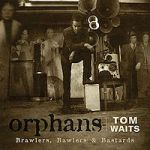
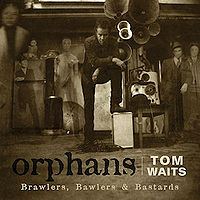
18. Tom Waits – Orphans: Brawlers, Bawlers & Bastards (2006)
To get any Tom Waits albums in this, his fourth decade of recording, is a blessing. So when Orphans came out, it was a ridiculously gratifying day. An embarrassment of Waits-ian riches spread out over three thematically arranged discs – the rumbling, bluesy “Brawlers,” soft, haunting “Bawlers,” and odds and ends-ish “Bastards” – the collection is incredibly meaty, with maybe a track or two that aren’t up to the legendary singer/songwriter’s standards. Every side of latter-day Waits is represented, from the weird, sea shanty clangs of “Fish in the Jailhouse” to the crackling croon of “You Can Never Hold Back Spring,” the boozy lounge of “Altar Boy” to the hilarious spoken word of the hidden track “Missing My Son.” And all of his soundtrack and compilation cuts from recent years wash up on this album’s shores, the best being his cover of the Disney staple “Heigh Ho,” a creepy, railroad dirge that barely echoes the original. There’s just so goddamn much to love here, as if the guy hadn’t already done enough to deserve music fans’ unconditional devotion.

17. M.I.A. – Kala (2007)
It’s always easier to say that an album is reminiscent of another artist’s work, instead of using, like, adjectives and things. With her second album, Kala, M.I.A. gives no quarter to critics who like taking this easy way out – nothing this decade was tougher to classify. It’s dance music, underground hip-hop, Bollywood, old-school rap and worldbeat. Or it’s simply pop music, because whether the singer/songwriter’s rapping over a droning, otherworldly beat or singing over an irresistible string loop, the hooks are huge, with barbs that sink way deep. “Jimmy” is an incredible, exotic disco freakout. The hyperactive, staccato techno of “XR2” makes uppers unnecessary. And “Paper Planes” is a triumph of a summertime single, featuring ringing gunshots, a Clash sample and a Wreckx n Effect shout out. Other artists have found success by cherry-picking influences from around the globe to add some new wrinkles to their sound. M.I.A. is those influences personified, cranked up loud and bathed in bright, fluorescent light.

16. Coldplay – Parachutes (2000)
Parachutes is a gentle, unassuming record, not your typical big-splash debut from rock superstars-to-be. It’s influenced by explosive, era-defining artists, but it isn’t the least bit explosive, and isn’t trying to be a definitive statement of where popular music was in the early 2000s. But what it is – ten wide-eyed alt-pop songs about love, hope and longing – is magnificent. Future albums found the band expanding the humble approach it displayed on Parachutes, with mixed results. Singles like “Clocks” and “Viva la Vida” might sound better in a hockey arena, but they don’t have the sweet simplicity that’s omnipresent here. The beautiful bass line on “Sparks,” the three-note guitar centerpiece of “Everything’s Not Lost,” the sparse folk picking of the title track – none of it commands hero worship, just that hint of a smile that shows you’ve heard something special.
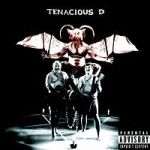
15. Tenacious D – Tenacious D (2001)
Tenacious D’s schtick isn’t exactly original – unattractive, overweight guys who think they’re cool, sexy geniuses. But what Jack Black and Kyle Gass accomplished on their short-lived HBO series and this, their debut album, is something grander than a play on the overconfidence of the American male. Sure, jokes abound about the duo’s sexual prowess – the menage a trois proposition tune “Double Team,” for instance – but Tenacious D is ultimately a spot-on satire of heavy metal tropes. JB’s bloated rock star ego bullies the soft-spoken KG throughout, boasting about inventions like “cock pushups” and “inward singing” and claiming that Dio needs to “pass the torch” to him (“You’re too old to rock/No more rockin’ for you!”). Black’s showy inflections and Dungeons & Dragons vernacular are straight-up hilarious, and Gass plays the straight man beautifully. But you’d expect a comedy album to be funny. What’s amazing about Tenacious D is the quality of the songs. With guests like Dave Grohl and Page McConnell providing gutsy backing tracks, Tenacious D’s crisp two-part harmonies and acoustic interplay sound fantastic throughout. Separate from all the kielbasas and karate fights, the epic “Tribute,” Beatlesque break-up ditty “Friendship” and thrash freakout “Explosivo” are top-notch tracks in their own right. They might not have written the greatest song in the world, but as far as musical comedy goes, Tenacious D reigns supreme.

14. Eels – Blinking Lights and Other Revelations (2005)
“The sky is dark now, but it’s the best dark I’ve ever had,” sings Mark Oliver Everett (or “E”) on this exquisite, sky-streaked-with-grey double album. The line encapsulates the thematic struggle that’s been the driving force of E’s work since his 1998 watershed Electro-Shock Blues – even though it feels utterly hopeless when a loved one dies, there’s still hope to be found in the darkness. With a couple memorable exceptions, these 33 songs are plaintive affairs, positioning E’s detached, slightly weathered voice over a variety of gentle arrangements – from the saxophone-fueled country of “Son of a Bitch” to the ominous glockenspiels of “Trouble With Dreams” and the piano-French horn interplay of “If You See Natalie.” The eclectic instrumentation is worthy of the double album treatment, and moreso are E’s songs. They’re full of unflinchingly sad, strangely energizing moments, like the bouncy, hopeful “Losing Streak” and the confessional booth closer “Things the Grandchildren Should Know.” “Mother couldn’t love me/But that didn’t stop me from liking her,” he sings on “Son of a Bitch” – a heartbreaking sentiment for sure, but one with potential happiness lurking deep under the surface. Blinking Lights is full of moments like these, making for a treasure trove of a listening experience.

13. Randy Newman – Harps and Angels (2008)
Randy Newman’s music has always been the perfect blend of the orchestral and the satirical – he’s the kind of artist that places a string-soaked ode to a dying father alongside a sprightly number about the upsides of a nuclear holocaust. And while provocative young songwriters tend to soften as they get older and more successful, Newman hasn’t lost a drop of his bitterness. On Harps and Angels, his 10th album and first in close to a decade, the singer/songwriter is fed up with capitalism’s empty pleasures – the scary bravado of the Bush administration, the crappy way our nation of immigrants treats new immigrants, the women that are only with him for his money – and he takes all of them on with dripping sarcasm. Like the song “Laugh And Be Happy,” where he encourages illegal aliens to “smile right in their face/because pretty soon, you’re going to take their place.” Or “Piece of the Pie,” which lampoons the American dream over clashing brass and percussion – “Living in the richest country in the world/Wouldn’t you think you’d have a better life?” Add a couple sincere, openhearted love songs to the mix, like the regret-laden “Losing You” and the timeless “Feels Like Home,” and you’ve got yet another unforgettable slice of Bayou-seasoned Americana, from our most delightfully embittered old man.
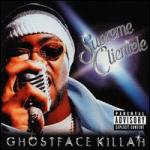
12. Ghostface Killah – Supreme Clientele (2000)
Energy is pretty much a prerequisite for rappers. Sure, there’s a place for chilled-out, jazzy hip hop, but when MCs are just losing their heads, delivering their syncopated scribblings in loud, sweaty, electrifying bursts, it’s what the music’s all about. And of the adrenaline junkies in the genre, Ghostface Killah is the most entrancingly hot-blooded. In the Wu-Tang context, his high-powered, temper tantrum verses shine alongside the more methodical approaches of MCs like Raekwon or Inspectah Deck. Which is the main reason why his solo career has been the most consistently rewarding of the bunch. On Supreme Clientele, the artist throws everything he’s got at us – whether he’s exploring the darkened shadows of a Staten Island Saturday night, boasting about how he’s made it, or talking to a basehead at the local crack house, he does it with convincing, overpowering emotion. His verses are more effective and wide-ranging than ever, moving from hard-boiled project tales to juvenile skits and teen nostalgia with dexterity. And the beats follow his lead – “Nutmeg” slams into your headphones with authority, a dusty soul string loop segueing into an insistent flute on the verses. RZA produces a handful of tracks, most notably “Buck 50,” a slinky, spy-movie vamp with slow-buliding B3 chords, and “Child’s Play,” which accompanies Ghost’s high school memories perfectly with some Biz Markie-ish piano chords. As that track fades out, the MC reflects on his first crush and how he’d buy “little butter crunch joints” after school. Whether it’s happening in a dark alley, a shimmering penthouse or the recesses of his memory, Ghostface Killah shares it with overwhelming energy, resulting in the most passionate hip hop performance of the 2000s.

11. Bob Dylan – Love & Theft (2001)
It came as no surprise that Love & Theft was so much fun. The album was a 180 from its predecessor, 1997’s candid, elegant Time Out of Mind, which was haunted by the artist’s rather serious health problems at the time of its creation. But that record, so obsessed with the end of things, marked the total rejuvenation of Bob Dylan – both physically and artistically. His brush with the reaper behind him and freshly won Grammy and Academy Awards under his belt, the rock legend was suddenly relevant to mass audiences again. Love & Theft dropped a few years into this resurgence, and it’s an appropriately playful melange of blues, country and Tin Pan Alley. The tales of woe are still there, but they’re broad-stroke metaphors more akin to classic Dylan, like the exquisite “Mississippi,” a Time Out of Mind-era tune about feeling trapped and hopeless. “Well, the emptiness is endless, cold as the clay/You can always come back, but you can’t come back all the way,” Dylan sings – sentiments that could easily work as a mantra for a sad, aging man. But here, in the context of ringing guitar licks and a delightful, ascending chord progression, they’re uplifting. And Love & Theft just keeps giving from there, from sprightly vocal jazz (“Moonlight”) to loud, bounding blues (“Lonesome Day Blues”) and working man’s bluegrass (“High Water”). It’s an inexplicable thrill to hear Dylan sing these legacy-worthy songs with grizzled authority, his impeccable band in tow. Apparently you can come back all the way.

10. Missy Elliott – Under Construction (2002)
In a lot of ways, Under Construction was a typical Missy Elliott/Timbaland adventure, full of elastic, fluttering beats and sharp lyrical twists that embrace rhythms like soul mates. But on her fourth album, Elliott was in a back-to-basics state of mind. So amongst all the boundary-pushing music and wordplay, you’ve got prominent Run-DMC breaks, cuts with “funky fresh” in the title and a track that features Missy and Jay-Z having a mutual nostalgia trip. As a result, Timbaland’s beats are leaner and catchier than ever, the spare drum machines and theremin wails of “Work It” forming the foundation for what was far and away the best single of 2002. Ludacris’ guest spot on the album’s other monstrously addictive single, “Gossip Folks,” is the best of his career – something about Tim’s stuttering, Looney Tunes groove brought out the best in the guy. But of course, Missy Elliott is the star here. She flips the script on chauvinistic rappers on “Pussycat,” leaves other MCs and ex-boyfriends in the dust on “Funky Fresh Dressed” and raises her glass to rap history on “Back in the Day,” her verses spilling over with infectious confidence, marvelous metaphors and clever pop culture references. And she also shines when she’s on her soapbox, using a handful of spoken word passages to ask rappers to go back to the days when battling was about skills, and critics of raunchy female rappers to check their double standards at the door. Simultaneously reflective and forward-looking, and supremely entertaining from beginning to end, the impact of Under Construction is awfully hard to overstate.

9. Of Montreal – Hissing Fauna, Are You the Destroyer? (2007)
Before this album, Of Montreal was a reliable psychedelic pop outfit; you could trust Kevin Barnes and company to dish out the kind of music that crashes out of your speakers like a tidal wave of happy pills. But this album is a different story. Hissing Fauna, Are You the Destroyer? is full of the wild lyrical jaunts and ambitiously stacked harmonies of Barnes’ earlier records, but this time around, he’s not talking about parades and LSD trips – he’s dealing with the dissolution of his marriage, with stunning frankness. In this thematic context, the band’s impeccably crafted dance tunes become as nightmarish as they are blissful, like the deliriously catchy “Heimdalsgate Like A Promethean Curse,” in which Barnes begs his anti-depressants to kick in on the chorus. The astonishingly harmonic “Gronlandic Edit” details the interior thoughts and daily routine of a recluse. Then there’s the 11-minute “The Past is a Grotesque Animal,” a slow-building, mind-blowing depiction of an argument that’s as intense as rock music got in the 2000s. The vagaries of love have never been the inspiration for such a kaleidoscopic treat.
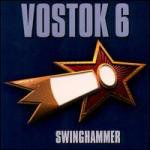
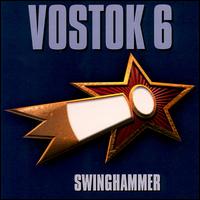
8. Kurt Swinghammer – Vostok 6 (2000)
Our fascination with space, and with love, is boundlessly magnetic. Such is Vostok 6. Kurt Swinghammer’s concept album about Russian astronaut Valentina Tereshkova, the first woman in space, is a stunningly imaginative take on a historical event and an airtight, shuffle-proof production. But although the Pink Floyd comparisons abound, this is thoroughly an album of its time, a thought-provoking exploration of human relationships in an increasingly alienating world. Swinghammer has a great time getting his sci-fi on, using soft, rolling synthesizers to give the listener a floating sensation, only to jar you awake with blasts of robotic new wave. From the gentle acoustics and stratospheric keyboards of the blast-off song “Blue” to the six-minute instrumental closer “Dawn,” the record is marked by an otherworldliness of the 2001 Star-Child variety – a warm, womb-like sensation that’s not of this earth. And on top of all the spot-on space music and Cold War-era references, there’s a wonderful romance. “Falling Star” is the centerpiece of Vostok 6, in which Tereshkova’s lover stares at the night sky and contemplates her eventual descent from the heavens. “The snow in Russia, I’ve heard/Is only the chalk dust of your words,” Swinghammer sings in his rich baritone, backed by a tapestry of electronic loops, acoustic strumming and harmonica. It’s about the headiest romantic situation imaginable – your love floating in space, everything that comes from the sky feeling like a message from her.
7. Bjork – Vespertine (2001)
As uncompromisingly different as Bjork’s music has always been, sounding like the dance-pop experiments of an intergalactic diva, it’s also stuffed with the kind of raw emotion that couldn’t be anything but human. Vespertine is the most emotionally direct album of the Bjork oeuvre, detailing the inexplicable sensations of new love, both physical and psychological, over majestic, wintry arrangements. While it may not be a dance floor-primed, eccentric confection like Post, the artist’s fourth album is unapologetically beautiful, from the swooning strings of “Pagan Poetry” to the cathedral choir sampling of “Unison.” As always, Bjork’s voice soars with incomparable power, bending and twisting through these soundscapes like the rarest of birds. And her descriptions of love incarnate are simple and profound, like on the magnificent track “Cocoon,” which finds Bjork delivering the lines, “He slides inside/half awake half asleep/We faint back into sleephood/When I wake up the second time in his arms/Gorgeousness/He’s still inside me.”
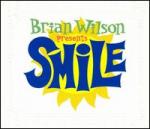
6. Brian Wilson – Smile (2004)
Before hunkering down to listen to Smile, Brian Wilson’s attempt to complete his unfinished follow-up to Pet Sounds almost 30 years after abandoning it, I felt some hesitation to press play. After all, the set was preceded by two thoroughly disappointing Wilson releases, the cringe-inducing Pet Sounds Live and the unfortunately prophetic Gettin’ In Over My Head. And I’d gotten used to the mixed bag he’d offered since his comeback album in 1988 – songs that occasionally sparkle and soar, but more often hit the ground with a big, out-of-touch thud. How could be possibly slay the white whale of rock albums, putting an end to decades of crappy bootlegs and blossoming mythologies, when he couldn’t hack a Pet Sounds revue? It just didn’t seem possible. Which makes Smile’s success all the more glorious. Wilson’s songwriting is at its most ambitious and playful from the outset; the singer/songwriter and his incredible band get churched-up on the a capella “Our Prayer,” which segues into the white-boy doo-wop of “Gee,” an ode to The Crows tune of the same name that in turn morphs into the stunning “Heroes And Villains.” As advertised since ’67, Smile is a seamless pop suite, utilizing wacky songlets like “Barnyard” and “Vega-Tables” to keep everything flowing smoothly. Hearing how familiar tunes from late-’60s Beach Boys albums fit into this puzzle is revelatory – “Cabin Essence” is indelibly unique no matter the context, but here it sounds like a troubadour that’s finally found his resting place. And it’s the record as a whole that makes it one for the ages. Sure, the parts are pristinely executed – the arrangements are inventive, the vintage instruments are convincing, and while Wilson’s voice has seen better days, he hits his notes with confidence and surrounds himself with transcendent singers throughout. And a handful of cuts could be pulled as pop singles (duh, “Good Vibrations”), but Smile was written decades before stereos had shuffle buttons, and is definitely meant to be played accordingly. This is pop music of the highest order, put together so flawlessly, you barely have time to catch your breath.

5. Antony and the Johnsons – The Crying Light (2009)
Good music is fun to listen to and easy to identify with. Great music transports you to another world. The Crying Light is great music, an impeccably produced, soul-searching record, marked by ambitious arrangements and Antony Hegarty’s indelible, quavering voice. This is a white man in his late 30s who sounds like the reincarnation of Nina Simone, pouring sincere expressions of pain and pleasure into lyrics that aren’t afraid to get markedly poetic. In Hegarty’s world, hearts don’t break, they sob. Lovers don’t kiss his lips, they kiss his name. Celebrations of Mother Nature rub shoulders with a devastating account of an epileptic seizure. And the singer’s hypnotic way with words makes them ideal bedfellows for these arrangements, which employ small string sections, spare pianos, subdued guitar picking and dancing woodwinds in a way that’s both elegant and humble. The Crying Light is an album dominated by soft, shy balladry, yet it demands your attention. God-given talent isn’t a background kind of thing.
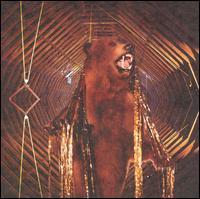
4. My Morning Jacket – It Still Moves (2003)
The arguments for It Still Moves as My Morning Jacket’s best work are similar to those for Revolver as the ultimate Beatles record – it documents the moment that the band’s influences gelled into a sound that’s completely theirs, just as their songwriting abilities reached a dizzying peak. Jim James’ affinity for the country-rock of Neil Young and the dream-pop of Jeff Buckley is as clear as day, but the light country shuffle of “Golden,” swooning romance of “Just One Thing” and provocative note bends of “Run Thru” could only have come from his band. His voice is a supernatural force, whether it’s navigating us through stormy fuzz-rock freakouts or bewitching us with the most beautiful harmonies this side of Pet Sounds. MMJ messed with its formula on ensuing releases, like any remarkable band should. But while those experiments have been fruitful, none of them quite had the magic of It Still Moves. Greater forces are at work here.
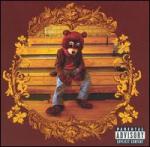
3. Kanye West – The College Dropout (2004)
The College Dropout has everything you could hope for in a hip hop record. Ambitious, deeply musical production. Clever lyricism. Passionate rapping. Wonderful guest MCs. An overarching concept that lends itself to both humor and social commentary. Moments of poignant positivity. Moments of infectious braggadocio. Surefire singles. Great slow jams. And one magnetic personality that holds it all together. As instantly appealing as every cut on Kanye West’s debut is, they’re also full of unexpected wrinkles, like the spiritual outcries of “Jesus Walks,” the prejudices of Gap store managers on “Spaceship” and the jubilantly defiant, anti-establishment sentiments of “We Don’t Care.” The album’s closer is a 16-minute block of storytelling, where Kanye recounts his rise to prominence, and the initial skepticism he faced as a producer trying to make it as an MC. The syllabic mastery on display here makes those skeptics look like fools – and we have them to thank for the fire that West injects in this, his supreme achievement.

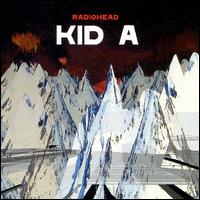
2. Radiohead – Kid A (2000)
Kid A begins with a run of warm, inviting notes from a Fender Rhodes, only to immediately eschew all feelings of coziness by piling on layers of robotic voices, which beckon and whisper underneath lyrics about sucking on lemons. The song, “Everything In Its Right Place,” makes it clear right off the bat that Radiohead’s follow-up to OK Computer was going to be something entirely different, a fearless furrow into a cold, binary world, where obtuse electronic squeals and eerily mumbled vocals take the place of tightly constructed choruses and guitar solos. OK might be the band’s best collection of tunes, but Kid A is its bravest, and ultimately most rewarding. Whether it’s the hyperactive brass section that closes out “The National Anthem,” the spazzed-out drum machine bliss of “Idioteque” or the gorgeous, shooting star guitars of “How To Disappear Completely,” every track contains some kind of inventive twist, which join forces to create a lonely, beautiful universe – when Thom Yorke sings “I’m not here/This isn’t happening,” over an expanse of synthesizers, one gets the sensation of being an astronaut staring at the void. From the deceptive welcome of its beginning to its fragile, awe-inspiring end, Kid A doesn’t just entertain lovers of adventurous rock music, it makes us feel like we’re part of something bigger.

1. Outkast – Stankonia (2000)
There’s hip hop. There’s rock and roll. Then there’s Stankonia. Outkast’s fourth album is a massive achievement, a fusion of styles left to soak in each other’s juices until they possess one unique, mindblowing flavor. In a sense, it’s a logical step forward from 1998’s Aquemini, but that album was a stunner as well, seemingly leaving the duo nowhere to go but down. Instead, Big Boi and Dre went left, right, diagonal and every which way. Its slick, Dirty South synth-funk is still the foundation of it all, lending itself beautifully to the catchy gangsta satire of “We Luv Deez Hoez” and the endearing sex etiquette anthem “I’ll Call Before I Come.” Parliament-Funkadelic’s influence still breathes out of every pore, from the invented vernacular of the album title to its introduction – “Welcome to Stankonia, the place from which all funky things come.” With those aforementioned surefire fan-pleasers under their belt, Big Boi and Dre got to work on their pop crossover jams, every single one of which is a game-changing, creative coup. “So Fresh, So Clean” possesses one of those instantly memorable Outkast choruses and a simple, polished-to-a-sheen R&B groove that showed up every contemporary artist in the genre at the time. “Ms. Jackson” is as buoyant as hip hop gets, using backwards snare hits, simple synth chords and “Wedding March” interpolations as the backdrop for some of best interplay of the duo’s career. The concept of apologizing to their “baby’s mama’s mama,” pledging loyalty to her daughter and grandchild, is smart, sweet and a bit cheeky, and the two MCs milk it for four-and-a-half glorious minutes. But as ingenious as those cuts are, they’re overshadowed by “B.O.B.” – as was every other song released in the 2000s. After creating the most propulsive beat imaginable, full of crazy drum machine fills and a minor-key synth loop, Dre and Big Boi absolutely feast on it. “Like a million elephants and silverback orangutans/You can’t stop a train,” spits Dre over the supercharged tempo, and he might as well be talking about this album, an astounding work of art that’s stuffed to the brim with imagination, humor, ego, sex, drugs and the ever-permeating desire to get your ass on the dance floor.

I’m taking my Dolly and going home.

dollyIt’s remarkable that the new Dolly Parton box set is the first release of its kind. For at least 20 years, Parton’s incredible career has demanded this kind of panoramic overview. As she grew from a precocious country chirper to a lovable TV personality, Nashville powerhouse, pop star, movie scene-stealer and cultural icon, the singer/songwriter has always been that rare musical bird that adapts to ever-evolving tastes without surrendering her intangibles. This four-disc set reaches across just as many decades, resulting in a complete, and completely satisfying, study of Parton’s rise from the hills of East Tennessee to the hills of Hollywood.

It’s no surprise that the middle section of Dolly is essential stuff, largely made up of the trio of early-’70s masterpieces on which her status as a songwriting genius still rests – Coat Of Many Colors, My Tennessee Mountain Home and Jolene. And disc one is a goldmine as well, which documents the road to those seminal works starting with her very first recording (the short and sugar sweet “Puppy Love”). From the poppier mid-’60s tracks, like the Everly Brothers-ish “It’s Sure Gonna Hurt” and the girl group R&B of “Don’t Drop Out,” to Parton’s first twangy coups, especially the double standard-slaying ballad “Just Because I’m A Woman,” and some choice duets with Porter Wagoner, the man who brought her to the small screen in 1967, the disc gives us an intimate look at how that trademark vocal vibrato came into being.

But the final disc is the revelation here – at least for me, who missed out on the days when the focus was solely on Parton’s music. I grew up in the post-9 to 5, theme park/rhinestones/Julia Roberts diabetic freakout era, where Dolly Parton was a big, cartoonish personality first and an artist second. There are corny elements for sure on these ’80s and early ’90s cuts, but Dolly makes them into sweet corn. Take “Potential New Boyfriend,” which employs a “Power of Love” synth line as its main instrumental force. Even this can’t stop Parton’s performance from resonating; her stalker narrator is endearing in her desperation, and the chorus – “Better keep your hands of my potential new boyfriend” – sticks with you. There’s something to like on all of these later-period tracks, even the horribly produced cover of “Save the Last Dance For Me,” where Parton brings out the loneliness in that person waiting in the wings for her love to come back. Musically, the biggest home runs are the lilting “Do I Ever Cross Your Mind,” a precursor to the Transamerica cut “Travelin’ Thru,” and believe it or not, a bluegrass rave-up version of REO Speedwagon’s “Time For Me To Fly.” The banjos, fiddles and three-part harmonies all shred here, turning a ball of cheese into a sweaty hoedown of the highest caliber.

Dolly has a handful of treats for hardcore followers as well, in the form of seven previously unreleased tracks, all from the early years. “Gonna Hurry (As Slow As I Can),” a very early demo written by Dolly and her uncle Bill Owens, is a stripped, tender country ballad with a classically incongruous lyric. “Nobody But You” is a Shirelles-ish pop cut from the mid-’60s era; “I’ve Known You All My Life” is a Goffin/King tune from the same period that’s a bit on the sappy side. “Everything’s Beautiful (In Its Own Way)” is a late-’60s Parton original, with the kind of “what a wonderful world” sentiment that’s always more depressing than straight-up sadness. “God’s Coloring Book” is a fanciful take on Mother Nature from the Coat of Many Colors sessions. “Eugene Oregon” and “What Will Baby Be” were recorded during the My Tennessee Mountain Home sessions, the former the most indelibly catchy of all these unearthed songs, and the latter a tragic English folk song of the highest caliber, which doesn’t pull any punches on its opening line – “A young couple married, already fighting/Along comes baby, making them three.”

I could go on and on about the many other moments of openhearted majesty that Dolly brings to the table. Dolly Parton has written and performed so honestly, passionately and successfully for so many years – the liner notes (which are worth reading, despite some unforgivable proofreading mistakes) estimate that she’s written more than 3,000 songs and released 75 albums over the last 50 years or so. And after close inspection of her definitive career retrospective, there’s not a moment of insincerity to be found.

Here are a few of my favorite tunes off this set, starting with the classic “Just Because I’m A Woman”:

The previously unreleased “What Will Baby Be”:

And the early ’80s gem “Do I Ever Cross Your Mind”:

Top 100 Albums of the 2000s (49-25)

mmj49. My Morning Jacket – Evil Urges (2008)
Before Evil Urges, listening to My Morning Jacket was like getting slowly drunk on a great bottle of wine, without the crusty red lips and ungodly hangover. Jim James’ voice is somewhere in between Neil Young and a member of the heavenly host, and on his band’s early records, it took their psychedelic-country-rock sound to spine-tingling heights. But here, James uses his unique timbre to get a little freaky, employing his falsetto with relentless glee on the Tone Loc-meets-Prince jam “Highly Suspicious.” While that cut is the most jarring departure, the rest of Evil Urges provides more telling evidence of the band’s evolution – MMJ now prefers a well-crafted pop sheen to that old Crazy Horse jangle.

lynne48. Shelby Lynne – I Am Shelby Lynne (2000)
It was only 25 days into the 2000s, and the contemporary country music of the decade had peaked. After kicking around Nashville for a decade or so, Shelby Lynne struck gold with her sixth album, which didn’t just show that country-pop could sound organic, warm and seductive, but also positioned the singer/songwriter as the heir apparent to Dusty Springfield. These are the kind of songs Sheryl Crow wishes she could come up with – especially the tear-streaked, girl group R&B of “Your Lies,” the Bonnie Raitt-ish phrasing and impeccably arranged horns of “Why Can’t You Be,” the sweet, nostalgic soul of “Where I’m From.” The record earned her a much-deserved Grammy, but it was for Best New Artist, proving that the Grammys are run by ignorant puds.

whiskeytown47. Whiskeytown – Pneumonia (2001)
For the first half of the 2000s, Ryan Adams couldn’t stand the heat, but remained firmly in the kitchen. His promising 2000 solo debut, Heartbreaker, started the hype train rollin’, and by the time Gold came out a year later, Adams seemed to have all of singer/songwriter-dom on his jean-jacketed shoulders. It was all downhill from there – the guy released seven albums from 2000-2005, preferring to be prolific instead of good. And through it all, this album, the third and final release from the Adams-led alt-country juggernauts Whiskeytown, was lost in the shuffle. Full of the heartfelt ’70s AM pop that marked Adams’ best solo albums, as well as the swirling fiddles and steel guitars of band members Caitlin Cary and Mike Daly, Pneumonia is a real masterpiece. It’s joyful, sad, ingratiating and experimental, and proof that Ryan Adams has chops indeed.

sparklehorse46. Sparklehorse – It’s A Wonderful Life (2001)
At first blush, this album has one of the most sarcastic titles in rock history. Sparklehorse records were never all that positive before this one, but It’s A Wonderful Life finds Mark Linkous taking his fragile, lo-fi songs to newer, weirder depths of despair. But Linkous isn’t one to joke, and after living with this album for close to a decade, the streaks of hope are easy to spot, like drops of glitter glue on black construction paper. The earnest whisperings of the title track aren’t ironic – when Linkous compares himself to a dog that ate your birthday cake, there’s plenty of self-loathing going on, but also a sense of appreciation for how it feels to be alive, running free with frosting in your hair.

portishead45. Portishead – Third (2008)
For better or for worse, much is made about the amount of time it takes for a band to make an album – if it’s quick on the heels of a previous release, we tend to expect something rawer and more “real;” if it’s 11 years between records, we tend to expect a Chinese Democracy-level disaster. But with Third, trip-hop pioneers Portishead exposes these critical expectations as hogwash. Their first studio album since 1997 is a natural progression of its sound, not some overproduced, micro-managed bomb. You could say that the album has more “trip” than “hop,” eschewing the turntable theatrics of yore for even moodier electronic and post-punk panoramas. Beth Gibbons’ voice is as hauntingly beautiful as ever, whether it’s navigating through the drum-loop explosions of “Machine Gun,” the space-folk picking of “The Rip,” or the subterranean ukulele vignette “Deep Water.” This is music that’s worth any kind of wait.

grizzlybear244. Grizzly Bear – Yellow House (2006)
Dreamy, hyper-vocalized folk music ain’t just for hippies anymore. Or at least this album ain’t – a gorgeous, ethereal platter of plaintive acoustics and reverberating harmonies with roots in CSNY and aspirations towards outer space. Grizzly Bear’s second LP might not have been the record that got them noticed on a grand scale, and that’s probably fitting. Where 2009’s Veckatimest finds the group reaching even higher, Yellow House is a humbler attempt at fusing ’60s pop and country with a flair for spaciness that makes the band an organic American counterpoint to Radiohead. That’s high praise, indeed, but when the swirling, atmospheric vocals of songs like “Knife” float through your headphones, you’ll understand how much Grizzly Bear deserves it.

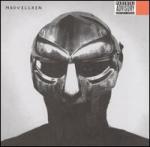
madvillain43. Madvillain – Madvillainy (2004)
MF Doom’s second appearance on this list is for this project with the omnipresent producer Madlib – the pair has piles of excellent tracks to their credit individually, but Madvillainy is the high watermark of both of their careers. Madlib’s beats are deliciously strange throughout – a fusion of campy lounge charts, crunching drums and hissing vinyl noise – and Doom nestles into them like they’re his childhood bed, using his comic book obsession to inspire superhuman verses that often comprise entire tracks. With most of these cuts coming in under the two-minute mark, Madvillain is able to overstuff this disc with eccentric grooves and unforgettable plays on words. For fans of smart, boundary-pushing hip hop, spinning Madvillainy for the first time must be somewhat akin to finding the Holy Grail.

harcourt42. Ed Harcourt – Here Be Monsters (2001)
There’s no doubt about it – Ed Harcourt’s favorite Beatle is Paul. As the singer/songwriter/shameless over-emoter’s career took flight in the 2000s, his best work was full of the Cute One’s head-over-heels-in-love themes, executed in a pretty, irony-free way. His best work being this album and little else, unfortunately. The kaleidoscopic productions that followed Here Be Monsters tended to be too rich for even a Wings fan’s blood, suffocating Harcourt’s sweet sentiments under merciless strings and long, meandering constructions. Given this context, Harcourt’s first proper album sounds all the more endearing, using piano, trumpet and the occasional orchestra to deliver his tender, desperate love songs. It’s one blissful pop moment after another, the kind of transportive album where the refrain “You’re the apple of my eye” feels heartfelt, and not the least bit cheesy.

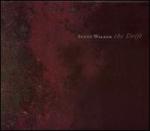
walker41. Scott Walker – The Drift (2006)
Halloween is approaching as I write this little review – the perfect time of year to shut off the lights, put The Drift on repeat and let your head fill up with nightmares. A death-obsessed collection of avant-cabaret dirges, Scott Walker’s 13th album is utterly unrelated to his most famous work, crooning ’60s pop hits like “The Sun Ain’t Gonna Shine Anymore” as the leader of The Walker Brothers. The Drift is marked by murky, unpredictable atmospheres, sickly, dissonant strings and stabbing notes that shock you out of your seat with slasher-film quickness. Walker writes lyrics about Benito Mussolini’s assassination and Elvis Presley’s stillborn twin brother, and sings them with operatic intensity. It’s as disturbing as music gets, short of a Dave Matthews concert.

harvey40. PJ Harvey – Stories From The City, Stories From The Sea (2000)
On her essential ’90s albums, Rid of Me and To Bring You My Love, PJ Harvey could have gotten along on persona alone. Of course, whether she was playing the role of furious punk visionary or Nick Cave-ish chanteuse, she always had fantastic songs and a raw, singular style to back it up. On Stories From the City, Stories From the Sea, she put her image on the back burner and relied exclusively on her chops. As a result, we got a dozen focused tunes that manage to the most universally appealing of her career, without compromising her trademark mix of determined riffs and dramatic vocals. “Big Exit” is the kind of song she can write in her sleep these days, with two churning chords and a fatalistic narrator; the Thom Yorke duet “The Mess We’re In” is as spellbinding as you’d expect, and the muted ballad “Beautiful Feeling” is a thoroughly convincing expression of love’s exhilarating sting.

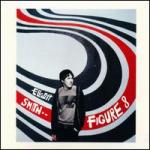
smith39. Elliott Smith – Figure 8 (2000)
This album closes out one of the most heartbreakingly brilliant trilogies in folk-rock history, made all the more poignant by the fact that it’s the last Elliott Smith album to be released during the singer/songwriter’s life. The death of an artist can make you look at his or her former work in a different light, but with Smith, the knowledge of his intensely personal demise didn’t really add anything to the experience. It’s intensely personal songwriting, after all, and Figure 8 is marked by the grim acceptance of a lonely future. An ex-lover is “just somebody that I used to know.” When “everything reminds me of her,” it’s something that happens in spite of the narrator’s best efforts. Hell, there’s a song called “Everything Means Nothing To Me.” Smith continues down the lushly produced path that he mastered on 1998’s XO, and while you can make the argument that these two albums aren’t as intimate as his beloved Kill Rock Stars recordings, I’ll take this mixture of pain and pleasure every day of the week.

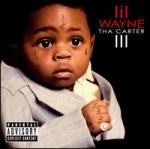
lilwayne38. Lil Wayne – Tha Carter III (2008)
It was easy to criticize mainstream hip hop in the 2000s, with artists like Nelly, Soulja Boy and 50 Cent offering up endless fodder. But you needed huge blinders to ignore all the great popular rap that this decade gave us, including Tha Carter III – that rare massive hit album that deserves every penny it earned. This sprawling, narcotic masterpiece is equal parts swagger, crass materialism and soul-searching introspection, and it brought Lil Wayne to the elite level of the artists that he neurotically name-drops – Jay-Z, Andre 3000, Biggie, etc. Full of woozy humor, ridiculous egotism and surprising tenderness, Tha Carter III pairs the emcee’s seemingly top-of-mind observations and smoke-ravaged voice with an impressively eclectic stable of beats – the chipmunk soul groove of “Mr. Carter,” Robin Thicke’s sexy guitar lick on “Tie My Hands” and the otherworldly keyboards and pounding drums of “Phone Home” being the most transcendent. Forget how frickin’ popular the thing was; it’s the defining moment of one of the boldest, most entertaining voices in modern hip hop.

outkast37. Outkast – Speakerboxxx/The Love Below (2003)
Of all the great singles that were released in the 2000s, a disproportionate amount of them were hip-hop or R&B tunes. And while Kanye West has a legitimate claim to the “singles king of the decade” title, my vote would go to Outkast. Faced with the unenviable task of following up Stankonia, Andre 3000 and Big Boi thought big, putting together a double album, with one disc each to reflect their distinct personalities. It’s not as good as its predecessor, but then again, few things are. And it has some unbelievably infectious cuts – “Hey Ya” is that rare pop masterpiece that can never be overplayed; “Unhappy” is an airy, irresistible R&B groove that fits beautifully with its “might as well have fun” philosophy; “She Lives In My Lap” is a sea of synthesized eroticism that would make Prince proud. Dre’s The Love Below side is as adventurous as expected, mixing jazz crooning, drum and bass instrumentals and synth-funk jams with aplomb, and Big Boi’s Speakerboxxx is less ambitious and more cohesive, boasting some masterfully slick funk jams and those trademark machine gun rhymes. This could end up being the last great Outkast album. But it’s going to be a hell of a long time before it gets old.

weakerthans236. The Weakerthans – Reunion Tour (2007)
I often find myself loving a sad movie, and then vowing never to see it again. Wouldn’t there be something wrong with a guy that wanted to watch Vera Drake over and over again? Perhaps wussy, emotional rockers are more my thing, but the music of The Weakerthans possesses the kind of sadness that I can’t get enough of. And this Winnipeg band’s most recent record is their most triumphant achievement, 11 tracks that look at life and love through the panes of a rain-spattered picture window. John Samson’s lyrics are as poignant as ever, sympathizing with cryptozoologist crackpots and aging ex-goaltenders, and exploring feelings of uselessness through a housework metaphor that’s just heartbreaking. I’ve painted an awfully morbid picture here, but these songs are also full of excellent hooks – Reunion Tour gets you humming along to themes of introspective turmoil. And “Utilities,” that song about uselessness, features what might be the most emotionally effective guitar solo of the decade.

whitestripes235. The White Stripes – De Stijl (2000)
Led Zeppelin did some mind-blowing stuff once they spread their wings in the early ’70s and looked beyond the raw blues of their first two albums. But they also never rocked harder than they did in the early days. You can draw a pretty fair parallel to The White Stripes in this decade, a band that blew us away with two threadbare indie-blues-rock masterpieces, then went on to a slightly more polished sound and loads of success. So for all of the wonderful work that Jack and Meg did after this album and White Blood Cells, these records remain the essence of what makes them great. And De Stijl is the best of the best, because it’s almost completely unadorned, relying on a few chords and loads of guts to connect with listeners, and succeeding on every single track. The guitar playing on cuts like “Hello Operator” and “Death Letter” is blisteringly good, and “Apple Blossom” is an ingenious pop song about love’s therapeutic power – like Zep’s “Black Mountain Side,” it’s just the kind of out-of-leftfield brilliance you’d expect from a young band poised to take over the world.

lcdsoundsystem34. LCD Soundsystem – Sound of Silver (2007)
Imagine if David Byrne was never seduced by the melodies and rhythms of world music, and had an affinity for club jams instead. You’d get something approximating LCD Soundsystem, the brainchild of singer/songwriter/beat-maker James Murphy. On his second album, Sound of Silver, Murphy shows us just how emotionally and sonically riveting electronic music can be, layering subtly catchy melodies over head-trip productions like the sublime one-two punch of “Someone Great” and “All My Friends.” And his lyrics are up to the challenge, dealing with the loss of a loved one on “Great,” and the sobering onset of adulthood on “Friends.” Then there are the fantastic dance-punk grinders he’s known for, like “North American Scum,” and the clever, Beatlesque closer, “New York I Love You, But You’re Bringing Me Down.” If there could somehow still be electronic music naysayers out there, this is the album that will shut them up, once and for all.

bird233. Andrew Bird & The Mysterious Production of Eggs (2004)
It’s a nifty little feat for an artist to be both accessible and undoubtedly unique, and Andrew Bird has fit both descriptions since his days fronting the Bowl of Fire, whose excellent 2001 album The Swimming Hour missed this list by a hair. The singer, songwriter and violinist has really come into his own since going solo, however, and The Mysterious Productions of Eggs is the high watermark of this fruitful era. This is the perfect mix of Bird’s whimsical and adult alternative sides, a tapestry of weird, gorgeous songs about nervous tics, psychological diagnoses of children, birthdays and opposite days. The violins swirl and the guitars build, and Bird’s heady couplets seal them together with SAT words that are as beautiful as they are cerebral. Chill-inducing stuff, all of it.

case232. Neko Case – Middle Cyclone (2009)
Neko Case’s fifth album finds her at the peak of her abilities, channeling Emmylou Harris and Jeff Tweedy in her reverb-laden alt-country soundscapes, and the devastating power of Mother Nature in her lyrics. When a singer/songwriter name-checks the natural world, we expect it to be a treatise on peace and beauty. But on Middle Cyclone‘s opening cut, “This Tornado Loves You,” the narrator is a fearsome storm, destroying towns and villages in her search for the love that got away. The lilting Sparks cover “Never Turn Your Back On Mother Earth” turns the tables on the standard abuser-victim relationship between mankind and the environment. On the title track, Case lets her guard down to confess the pain of a loveless life, but she finds her strength by the end – “But I choke it back/How much I need love.” The record is a gorgeous examination of love’s warts and blossoms, and by the time you get to its final cut – more than a half-hour of cricket-laden nature sounds – it feels less like a soothing sleep aid and more like a beautiful, potential threat.

scott31. Jill Scott – Who is Jill Scott (Words and Sounds, Vol. 1) (2000)
Music didn’t get more soulful in this decade than on Jill Scott’s debut album, a passionate, organic slab of R&B tinged with hip-hop, funk and spoken word. Whether she’s proselytizing about great food (on the magnificent extended jam “It’s Love”) or discovering a boyfriend’s infidelity (the clever poetic interlude “Exclusively”), Scott makes a personal connection to the listener. This is not a pop album by a worship-seeking diva; it’s real stuff, delivered with the honesty, fallibility and raw talent of a real artist. All of the genres tapped here are clearly beloved by the singer/songwriter – soul/hip-hop hybrids were big sellers in the 2000s, but Scott’s rap cred is as legit is gets. (She co-wrote “You Got Me” with The Roots, for Chrissakes.) It all just adds to that feeling of realness. The artist’s voice is unnaturally powerful, to be sure, but when she invites us to take a long walk, it feels as familiar as an old friend.

west30. Kanye West – Late Registration (2005)
The reactions that I’ve heard to Kanye West’s latest ill-advised award show stunt have been disconcerting. Sure, it made him look less than dignified. But I get the feeling that people are rejoicing in his embarrassment – Jay Leno brought up his recently deceased mother in an interview with West, a pathetic attempt at a Hugh Grant redux that some folks I know thought was just awesome. I think some people have had animosity towards West since his brilliant Katrina-era Bush bashing incident, and now that they have something they can outwardly criticize that doesn’t make them look racist, they’re going to make the most of it. Me, I’m going to dig even deeper into his music, which injected some much-needed emotion and sensitivity into mainstream hip-hop, paired with some of the greatest productions that the genre has ever seen. Late Registration cemented West as a superstar, thanks to the ingenious “Gold Digger,” but there’s a lot of pain and introspection here too, like the hospital waiting room poetry of “Roses” and the parental appreciation jam “Hey Mama.” As the second installment of his higher education-themed trilogy, the album finds the artist in the middle of an especially confusing and rewarding semester – full of unbelievable success and all the self-doubt that comes with it. And it’s this kind of honesty that will keep West’s music interesting and universally palatable, no matter how many teenybopper speeches he interrupts.

aesoprock29. Aesop Rock – Labor Days (2001)
When you’re a rapper with incredible command over an expansive vocabulary, it’s gotta be tempting to stuff every millisecond of your songs with syllabic fireworks. Aesop Rock is such a rapper, and on his first album at least, he managed to keep his powers in check enough to make a real masterpiece. Oh sure, Labor Days is lyrics-first hip-hop, all bizarre metaphor and spacey simile, but there are also some tight, unforgettable message tracks here that prize story over vocab – the follow your dreams tale “No Regrets” and the take this job and shove it mantra “9 to 5ers Anthem” being especially effective. The MC went on to become a victim of his own verbosity on later records, but not before giving us an independent hip-hop classic.

winehouse28. Amy Winehouse – Back To Black (2006)
Everyone loves to hear stories about the tragically talented. And while I’m not writing off Amy Winehouse to the point of lumping her in with Joplin and Hendrix – she could still have a very long and fruitful career, after all – there’s no doubt that she was the most gifted artist of the 2000s to get more attention from the tabloids than anywhere else. Of course, none of Winehouse’s extra-curricular activities matter unless you’re a friend or family member. What’s worth discussing is this, her second album and ticket to worldwide acclaim. Back To Black didn’t just take listeners by storm with its mascara-streaked mix of girl-group pop and last call laments, it inspired a mini retro revolution of copycats, both respectable (Adele) and forgettable (Duffy). These are songs about loneliness, regrets and drunken mistakes, dressed up in Phil Spector’s finest duds and sung in Winehouse’s deep, earnest tenor. Whether you’ve screwed up your life or just want to sing along to a killer groove, this is ideal stuff.

common27. Common – Be (2005)
In 2005, Kanye West released his triumphant Late Registration album, a thoroughly pleasing listen for both snotty critics and folks who just want the singles. But in the same year, another Chicago MC released a record that was tighter and even more soulful than said smash. Be was the follow-up to Common’s sprawling, psychedelic experiment, The Electric Circus, and in this context it’s a lean, mean, head-bobbing machine. It’s as focused as the rapper has ever been – even the excellent Like Water for Chocolate got fanciful at times, and none of Be’s 11 tracks meander, including the eight-minute closer “It’s Your World/Pop’s Reprise,” which features the MC’s father delivering some thought-provoking poetry about the understanding of self. From the sweet eroticism of “Go” to the courtroom soap opera “Testify” and the monogamy shout out “Faithful,” every song is what it is, coupling effective storytelling with beautifully interpolated classic soul samples. It’s Common’s ultimate achievement – a hip hop album that nourishes you from head to toe.

blackalicious26. Blackalicious – Blazing Arrow (2002)
Blackalicious is a group with major weapons, and on its second album, they’re straight-up deadly. The California duo’s one-two punch of rapper Gift of Gab and producer Chief Xcel is as good as it gets on Blazing Arrow, a record that captures the MC’s unbelievable speed and dexterity without getting too wordy and features some wonderful, eccentric sample choices from Xcel. Like the title track, for example, which repurposes the chorus from Harry Nilsson’s “Me And My Arrow” to create an entirely unique bit of avant pop-rap. This is followed by the stunning, ominous “Sky Is Falling,” which features a chorus of female vocalists detailing disasters to come – a bone-chilling, hip-hop take on The Furies. Gab and Xcel refuse to stick to one mood or texture throughout, going from ultimate feel-good anthems (“Make You Feel That Way”) to battle rap exercises (“Chemical Calisthenics”) without worrying too much about padding the transitions. It’s a cornucopia of vibrant, first-rate hip-hop, an adventure of a listen from track one to 17.

feist225. Feist – The Reminder (2007)
Forgive this paraphrase of an Everly Brothers/Orbison/Nazareth classic, but love aches. And nothing was able to capture this ache more convincingly in the 2000s than the voice of Leslie Feist. On her second album, The Reminder, the Canadian songstress uses those soft, expressive pipes to drive home a clutch of pop-folk songs that are as delicate as can be. Whether it’s the sharp ache of regret, the pleasurable ache of a new romance or the dull ache of a relationship’s demise, Feist makes listeners feel it, thanks to a markedly un-showoffy delivery and an eclectic mix of arrangements. There are the joyful glockenspiel plinks of “I Feel It All,” the serpentine piano of “My Moon My Man,” the mournful cello of “Limit To Your Love.” As a result, what sounds like a downer of an album on paper is a multi-faceted treatise on love that rivals Joni Mitchell’s Blue.

Top 100 Albums of the 2000s (74-50)

Hooray! It’s more of my ramblings! YEAAA! WHOOO! Ramble on, me!!! WHOOO!!! Score one for the rambler!! Ramblin’s my name, and ramblin’s my game!!! My Christian name is Rambling J. Stephenson, and I’m Chair of Rambling Studies at Grambling University!!! I’m tenured!!!!! So suck it, President of Grambling University!!! You can’t touch me!!!

medulla74. Bjork – Medulla (2004)
So many wonderful things happen on Bjork records, but none of them would really work without her voice, which interprets the alien transmissons of her music, making it all feel urgent, impassioned and personal. Hence, Medulla is a no-brainer of a musical experiment. Comprised completely of vocals, with Rahzel’s superhuman beatboxing and Mike Patton’s general oddness complementing Bjork’s elastic, otherworldly pipes, the album doesn’t have mainstream success in its crosshairs. But it’s not all that challenging of a listen either – these are songs first, vocal showcases second, and every moment of it is just plain gorgeous.

tvontheradio

73. TV on the Radio – Dear Science, (2008)
“Rock” has become such a general term, because it encompasses so many things. And Dear Science is a rock album in this redefined sense. These tracks are enriched with subtle versatility, weaving early Beach Boys backing vocals, chattering funk guitars, post-punk keyboards, and lush string and horn arrangements into a sonic framework of remarkable consistency. “Red Dress” grinds and bashes its way to the dance floor, and it’s followed by “Love Dog,” a ballad that floats through your speakers like an out-of-body experience. Only on an artfully produced album like this could they become ideal bedfellows.

green72. Al Green – Lay it Down (2008)
Comeback albums are suspicious things, like an established actor in a piece-of-shit horror movie. When there’s a new Motley Crue album on the shelves, or Gary Oldman plays a rabbi exorcist in The Unborn, one question comes to mind – what made them so desperate for cash? But on this magnificent offering of joyful, slow-burning R&B, Al Green’s not after the Benjamins, just love, pure and true. The 62-year-old artist’s falsetto is as sexy and chill-inducing as ever, and his songs position love like it’s the central force of a religion (which it’s not, no matter what the Christians tell you).

franzferdinand71. Franz Ferdinand – You Could Have It So Much Better (2005)
Scotland’s Franz Ferdinand released a trio of angular rock entertainments in the 2000s, and while they’re all more than worth a spin, the middle child is the most consistently rewarding. You Could Have It So Much Better
has its ambitions, dabbling in arena rock riffs, punk dissonance and delicate, Beatlesque reprieves, but its excellence lies more in its pervading mood – loose, fun and free of the fussy neuroses that can turn promising follow-ups into second album curses.

dirtyprojectors70. Dirty Projectors – Bitte Orca (2009)
Take an infectious, harmony-drenched pop album of enviable quality. Now stick it in a jam jar and shake it up violently. You might have something resembling Bitte Orca, a record that’s stuffed with stunning vocal melodies and intricately beautiful guitar passages, put together in jarringly unconventional ways. Odd time signatures, jittering solos and acquired-taste falsettos abound, and instead of giving the sense of a masterpiece marred, Dirty Projectors reminds us of the beauty of broken rules.

delasoul69. De La Soul – AOI: Bionix (2001)
When a hip hop album begins with somebody saying “Better. Stronger. Faster,” that’s usually a dead giveaway – the group is past its prime and in denial. And there was no reason to believe that AOI: Bionix was any different. It’s the second installment of the ultimately abandoned “Art Official Intelligence” trilogy that De La Soul hoped would bring them back to the forefront of the genre, and the first was the tepid crossover attempt Mosaic Thump. So it was awfully refreshing to hear the trio in top form, from the crunching piano chords of the title track on. And even more refreshing to realize that they were operating on a higher spiritual plain this time around, encapsulated in the magnificent “Trying People” – an invigorating, open-hearted cut that’s exactly the kind of reflective art we should expect from once-hip artists approaching middle age.

feist68. Feist – Let it Die (2004)
Years before the iPod commercials and Colbert guest spots, Leslie Feist gave us an album of delicate beauty, equally suited to college radio stations and French cafe patios. The Francoise Hardy pop of “Gatekeeper,” the lilting cover of Ron Sexsmith’s “Secret Heart” and the extraordinarily catchy “Mushaboom” are three of this decade’s most satisfying moments.


case67. Neko Case – Fox Confessor Brings the Flood (2006)
The term “contemporary country” should apply to Neko Case, not any singer who adds a pedal steel and fiddle to Celine Dion-worthy arrangements. On this album, Case’s songs describe states of mind instead of establishing clear narratives, marrying haunted country-folk chords with lyrics that explore our jealousies, obsessions and gospel music-driven reveries. Where traditional country’s best moments lie in its unadorned emotions, Fox Confessor Brings the Flood succeeds by being less cut and dry, letting its reverberating vocal harmonies fill in the blanks as they sweep you away.

monch66. Pharoahe Monch – Desire (2007)
After the release of his promising debut album in 1999, Pharoahe Monch performed a bit of career suicide, waiting eight years to release the follow up. But while the gap hurt his ability to stay at the forefront of the game, it definitely didn’t dampen his talents. Desire is as versatile as hip hop got in the 2000s, putting expertly crafted club bangers alongside a tune written from the perspective of a bullet, a nine-minute soap opera about an avenging lover and a cover of Public Enemy’s “Welcome to the Terrordome.”

animalcollective65. Animal Collective – Feels (2005)
Crazed, uninhibited human screams don’t make for effective pop music. This is one of the seemingly common sense ideas that Animal Collective blows to smithereens on Feels, a record that treads the line between traditional pop and nutso avant garde with a breathtaking sense of balance. “Grass” is the tune in question, which pairs those screams with Beach Boys-ish “whoo hoos” on the chorus. Yes, Brian Wilson’s an influence here, but this indie-pop-head-trip of a record makes those Smile session eccentricities seem almost rational.

dangerspark64. Danger Mouse & Sparklehorse – Dark Night of the Soul (2009)
When two absolute masters from different genres team up on a project, the expectations are overblown, and the results usually can’t meet them. But when Danger Mouse joined Mark Linkous, the one-man wonder behind Sparklehorse, for a cinematic, star-studded affair called Dark Night of the Soul, the final product was as good as advertised. This is much more of a Sparklehorse record, which means it’s weird, whispery and sad (the most upbeat cut is called “Daddy’s Gone”). Mouse gives Linkous’ songs more room than they usually get to breathe, resulting in the most far-reaching album of his career. Guests with defined personalities (e.g. The Flaming Lips, Iggy Pop, David Lynch) blend gracefully into this tapestry, not a small feat. And in true Danger Mouse fashion, the record still hasn’t been released – a frustrating fact that only adds to its intoxicatingly mysterious vibe.

bird63. Andrew Bird – Armchair Apocrypha (2007)
Whistles and violins are dominant elements of Andrew Bird’s music, which on paper sounds like some kind of sweet Lovin’ Spoonful jaunt. Armchair Apocrypha, while consciously poppy in parts, is anything but a soundtrack for a healthy, high-on-life stroll. Bird’s whistles are produced to sound more like theremins, and songs like “Plasticities” and “Scythian Empires” tackle serious sociological issues over lavish string melodies. It’s as pretty as a no-nonsense worldview can get.

coldplay62. Coldplay – Viva la Vida or Death and All His Friends (2008)
It’s easy to like Coldplay, what with their sweeping melodies and earnest, somewhat generic anthems about love and friendship and stuff. And it’s easy to hate them, given the band’s utter media saturation in the 2000s. When they released this record, though, it became clear that anybody bashing these guys for being in over their heads was just player hatin’. After the overwrought, overlong X&Y showed that mainstream success might be getting to Chris Martin & crew, the band wisely circled the wagons, brought in Brian Eno, and made the most musically satisfying record of its career. From the instrumental atmospherics of “Life in Technicolor” to the stunning “Death and All His Friends,” this is finely crafted, ambitious pop music performed with confidence and heart – if only all mainstream rock giants sounded this good.

N.E.R.D.61. N.E.R.D. – In Search Of … (2002)
When a massive R&B or hip-hop single entered your subconscious during this decade, and its beat was actually worthy of all the cash it was making, chances are it was produced by Pharrell Williams. His trademark style brings everything back to rhythm, combining huge, gut-punching drums with a fuzzy guitar riff or keyboard flourish as window dressing. Nowhere is this philosophy better showcased then on this album, Williams’ debut as an artist in his own right. Together with fellow Neptune Chad Hugo, Williams uses the N.E.R.D. umbrella to let his ideas run wild – slamming dance-rock jams like “Lapdance” and “Rock Star” live next to the woozy folk of “Provider” and the gliding, Fender Rhodes R&B of “Run to the Sun.”

mosdef60. Mos Def – The Ecstatic (2009)
Until this year, Mos Def was a shoo-in for the most disappointing hip hop artist of the decade. His 1999 solo debut, Black on Both Sides, is one of the masterpieces of the genre, but it’s had to tide us over since then – 2004’s The New Danger was hazy and uneven, and 2006’s True Magic is best left forgotten. But from the opening, acid rock/Bollywood strains of “Supermagic,” where the MC spits a twisted Mary Poppins-inspired chorus, our faith is instantly renewed in his ability to get our heads nodding and spines tingling. The Ecstatic is more an album of vignettes than full-blown songs, and it keeps Mos Def constantly on his toes, crushing one mesmerizing analog beat after another, two-three minutes at a time. His acting is enjoyable, but here’s hoping he leaves the multiplex by the wayside and continues this musical resurgence.

vampireweekend59. Vampire Weekend – Vampire Weekend (2008)
It had been a while since the last wholeheartedly successful fusion of rock and Afro-pop, and on this NYC band’s debut album, those famed experiments of more than 20 years prior loom large. Vampire Weekend is clearly indebted to Paul Simon’s Graceland, in all the good ways – bouncing, ingratiating melodies, inherently celebratory pseudo-African grooves, smart storytelling. This is that rare record that can live up to the most bloated media buzz, thanks to tracks like the thrillingly effervescent “M79,” which features the best pop string arrangement of the decade.

prince58. Prince – Musicology (2004)
With this album, one of the greatest artists of the 1980s finally made peace with over a decade’s worth of eccentricities. No more name changes, label battles and bloated triple-disc releases – just Prince singing his guts out over classic funk and R&B vamps. The title track is his own “Sir Duke”; lyrics about the way music “made you feel back in the day” weave through a minimalist funk groove that could live on any Sly Stone album. And when he decelerates things with “On the Couch,” he belts out the kind of impassioned slow-jam wails that just might steam up the windows on their own. A welcome return to form, and one of the decade’s mightiest party records.

wilco57. Wilco – Sky Blue Sky (2007)
This is the least adventurous Wilco album since the rollicking alt-country of its 1995 debut, but there’s a whole lot of confidence in its fairly straightforward approach. Every track is infused with an unworried, been-there-done-that air; it opens with an ode to passivity and pretty much follows its philosophy throughout. Sky Blue Sky rarely strains to get your attention, and does just that in the process. There are several more ambitious, boundary-pushing Wilco albums out there, but this one cemented the band’s status as the most dependable American rock act we’ve got.

radiohead56. Radiohead – Amnesiac (2001)
After the stroke of disaffected, interplanetary genius that was Kid A, it was easy to discredit its follow-up, which was released only eight months later and reeked of leftovers. Eight years later, it’s easier to look at Amnesiac outside of its predecessor’s significant shadow, and some brilliant, elegiac electro-art-rock is what comes to light. Sure, the alternate version of “Morning Bell” shouldn’t be there. But if songs like “You and Whose Army?” and “Life In a Glass House” are throwaways, then I’ll be the first to say “Mmmmm … garbage.”

waits55. Tom Waits – Blood Money (2002)
Tom Waits has never been full of sunshine and lollipops, but this album is probably the bleakest of his illustrious career. One of a pair of Waits records released on the same day in 2002, Blood Money explores a hopeless world of dominating ids and absent gods, colored with the murky marimbas, clattering percussion and mournful piano that’s been his calling card for the last quarter century. As always, his lyrics are crushingly good – “All the good in the world you could put inside a thimble/And still have room for you and me.”

kooks54. The Kooks – Konk (2008)
The Kooks are confident little buggers. Not only did they take their name from a Bowie song, they christened their second album after the studio it was largely recorded in, which is owned by Ray Davies. It’s lofty company to associate yourself with, but this quartet must’ve known what a great batch of tunes they had on their hands. Konk is good enough to name-drop so willfully, boasting a free-wheeling power-pop attack that any Kinks fan should eat up with a spoon. And in between surefire singles like “Always Where I Need To Be” and “Mr. Maker” sit some equally effective bits of plaintive acoustic strumming – the relationship eulogy “One Last Time” being the biggest winner.

whitestripes53. The White Stripes – White Blood Cells (2001)
Contemporary blues artists are a fairly sickening lot, defined by self-serving guitar wankers that will forever draw crowds. Which makes The White Stripes even more of a blessing. The Detroit duo has been the opposite of bullshit since it first paired slide guitar shredding with huge, methodical drums. White Blood Cells was the band’s commercial breakthrough, and for good reason – Jack White is at his catchiest here, evidenced by the Beatles-biting “We’re Going To Be Friends” and the full-tilt country romp “Hotel Yorba.” But that doesn’t mean the artful blues swagger of earlier albums is M.I.A. “I Think I Smell a Rat” will bust your speakers with as much glee as any track of the 2000s.

plantkrauss52. Robert Plant & Alison Krauss – Raising Sand (2007)
“I WANNA BE YOUR BACK DOOR MAN!” This was the legacy of pre-Raising Sand Robert Plant – the source of those mind-blowing, sexually charged screams that made Led Zeppelin the most kinetic rock band of the late-’60s and ’70s. Which made this project, a T-Bone Burnett-produced set of ethereal covers that pairs Plant with modern bluegrass legend Alison Krauss, sound ill-advised. But holy god, it’s a pretty thing, thanks to Plant’s downright angelic vocals, which perfectly intertwine with Krauss’ equally beautiful pipes. On the lush country ballad “Killing the Blues” and ghostly folk of “Your Long Journey,” the duo puts on a two-part harmony clinic, making this odd little experiment seem nothing less than predestined.

theroots51. The Roots – Rising Down (2008)
The Roots rose to prominence as the logical extension of the Native Tongues, favoring warmth and positivity in the waning years of gangsta rap’s reign. But as the group got older and the world went to hell in the 2000s, those rich Fender Rhodes chords and thoughtful party anthems gave way to a colder, tougher, more passionate approach. And while Rising Down isn’t the definitive example of these evolved Roots, it’s a barnburner just the same, thanks to some (literally) breathtaking verses from Black Thought and guest Mos Def, seas of chilling synths, and fearless explorations of strife, both personal and sociological.

badu50. Erykah Badu – New Amerykah: Part One (4th World War) (2008)
Nothing Erykah Badu ever does will be as instantly gratifying as the two records she released in 1997 (one studio, one live), which single-handedly ushered in the style now known as “neo soul.” So it’s a wonderful thing that she’s long since moved on, preferring slow-to-develop, tripped-out sprawls of songs (and horrible sprawls of album titles). Badu isn’t interested in hooking listeners, but rewarding them for their patience – slinky, meditative tunes like “Soldier” and “Telephone” are pleasant at first blush, and epiphanies by the time you’ve completely let them in.